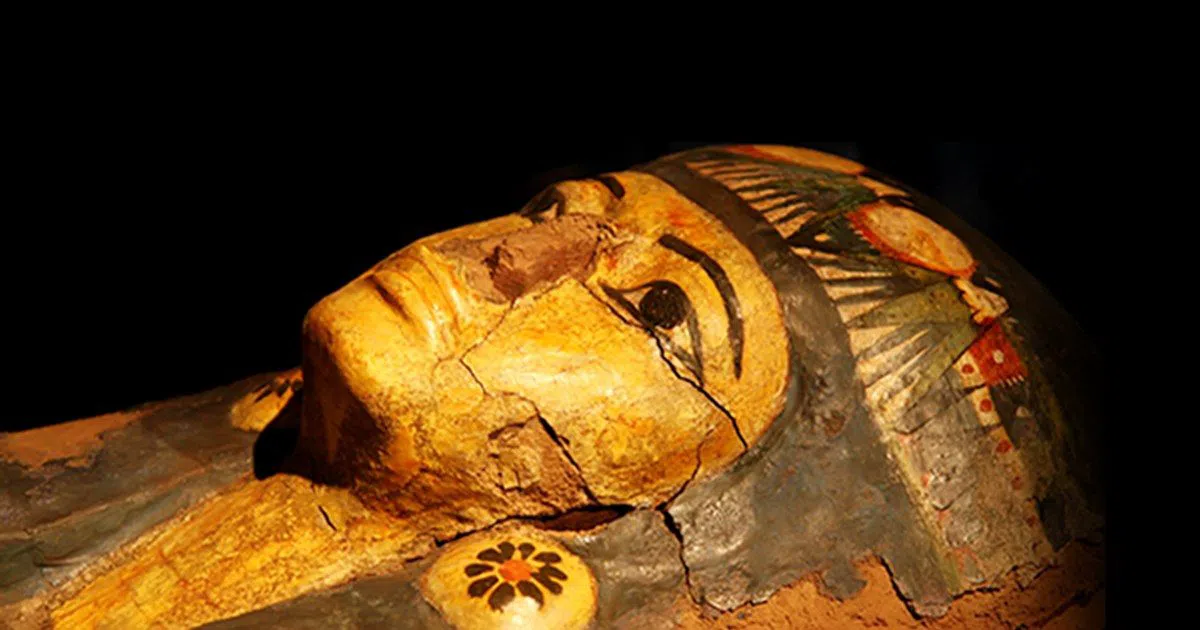

Seventy days is how long the embalmers needed to turn a dead king into a mummy, and Luxor is the only city where the whole sequence is still legible on the ground. The natron and the linen are gone, but the instruments survive on one bank of the river, the men who cut and painted the tombs left their own burial chambers on the other, and the priests who later dug their kings back out and hid them in a cliff shaft did it within sight of the ferry. Walked in the order the work actually happened, rather than the order the coaches do it, these sites tell one continuous story.
Start with the tools, not the tombs
The Mummification Museum sits on the Corniche on the east bank, and it is the correct first stop rather than an optional one. It is the only museum anywhere built around the embalming process itself, so you see the instruments and the canopic jars before you see the tombs those jars were carried into, and the rest of the trail stops being decorative as a result. Entry is EGP 220 adult, EGP 110 student (about US$4.50), with no booking and no door policy of any kind.
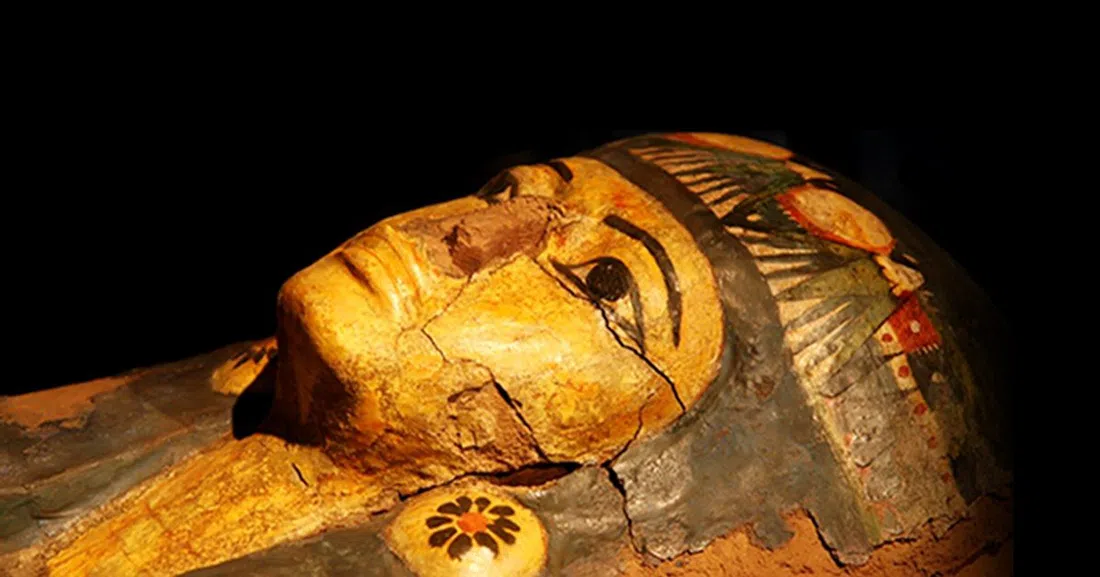
Two practical warnings. The opening hours split, 09:00 to 14:00 and then again 17:00 to 21:00, and the afternoon gap catches out people who assume a museum stays open through the day. The entry corridor is also a narrow run of ten panels that bottlenecks badly, so guides bringing parties of twenty or more split them in two and send half around first. If you are a couple, the evening session is quieter and more comfortable than anything before lunch.
Ten minutes further along the same Corniche, the Luxor Museum is the counterweight: far better lit and far more ruthlessly edited than the larger national collections, with space to circulate even when two coaches arrive together. What you are here for is the royal mummy room, deliberately small and deliberately dark, which groups filter through a few at a time. Two founder-pharaohs lie in there, the king who founded the 18th dynasty and Ramesses I, who founded the 19th and who only came home in 2003 after a century in a sideshow collection on the other side of the Atlantic. EGP 400 adult, roughly US$8. Seeing two kings at rest before you cross the river changes how the tombs read. You already know what was supposed to end up in them.
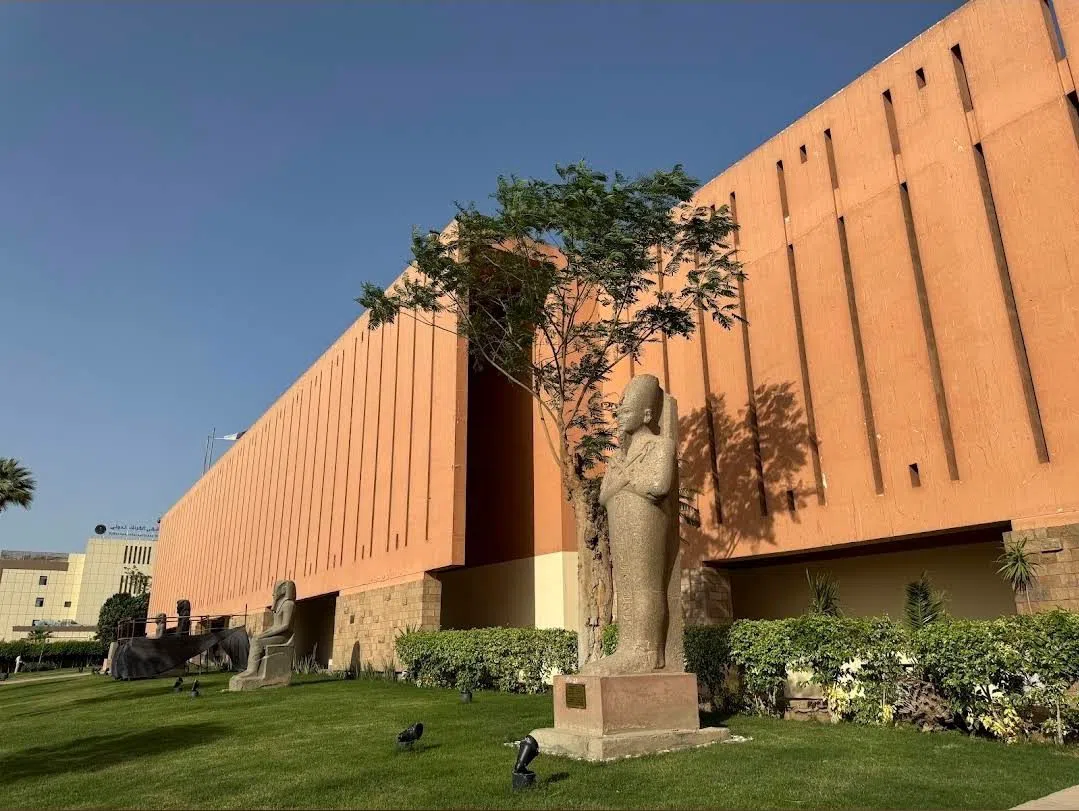
The village that cut the tombs and buried its own
Cross to the west bank and go to Deir el-Medina, the walled artisans' village under the hill on the southern side of the necropolis. These were the men who cut, plastered and painted the royal tombs, paid in grain, organised into gangs, and literate enough that we have their sick notes and their strike record. They buried their own dead with the same rites they were performing for pharaohs, at a scale you can actually take in across one afternoon, which is why this is the most useful hour on the whole trail.
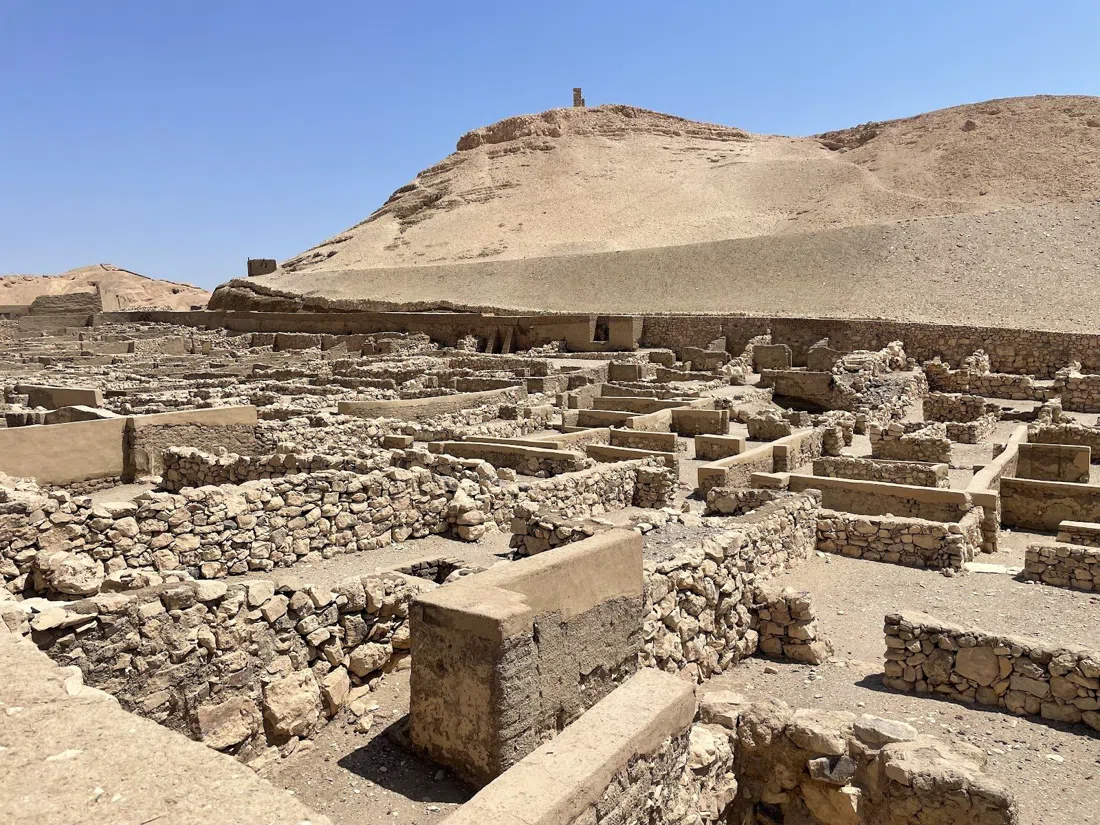
Sennedjem's chamber is the single best-preserved painted burial room in Luxor. The colour is intact, the ceiling is intact, and the scenes are the standard funerary programme rendered by people who painted it professionally for a living. The catch is access: the chambers are tiny and reached by steep shafts, so you go down in pairs and queue for your turn. A coach party works here only if the guide is disciplined about splitting it. Tickets are EGP 220 adult, EGP 110 student (about US$4.50), and you buy them at the West Bank Antiquities Inspectorate office, not at the gate. That detail matters. Turning up ticketless costs you a round trip.
Where the ritual itself is painted
The Tombs of the Nobles at Sheikh Abd el-Qurna, on the hillside above the mortuary temples, are sold as clusters, one ticket per pair of tombs, EGP 120 to 150 (US$2.50 to 3), again bought at the central west bank office. Roughly twenty of the four hundred or so tombs are open at any one time and the roster shifts with the restoration programme, so ask on the day rather than arriving with a fixed list.
If one is open, make it Rekhmire's. His wall carries the clearest illustration anywhere of the Opening of the Mouth, the ritual that gave the finished mummy back its senses, performed at the tomb door with an adze. It is the single ceremony that explains why all this machinery existed. It is painted rather than carved, so the colour survives in a way relief rarely does. The chapels themselves are narrow and unventilated; guides run six to ten people through at a time and everyone else waits outside in the sun. Bring water and expect to sweat.
A short drive north, at the foot of the hill nearest the cultivation, Dra Abu el-Naga gives you the two small tombs of Roy (TT255) and Shuroy (TT13) for around EGP 100 to 150 (US$2 to 3). Roy's is the most legible funeral procession on the west bank for the money: the coffin on its sledge, the mourners, the priest at the tomb mouth. Each tomb is barely a room, so go in fives at most; you will rarely find more than a handful of other visitors, which makes this the best-value stop on the trail for couples. It also matters geologically. This is the hill the 17th-dynasty kings were buried in, and the story of the priests emptying royal tombs and moving their occupants begins under your feet here.
The cliff above Deir el-Bahari
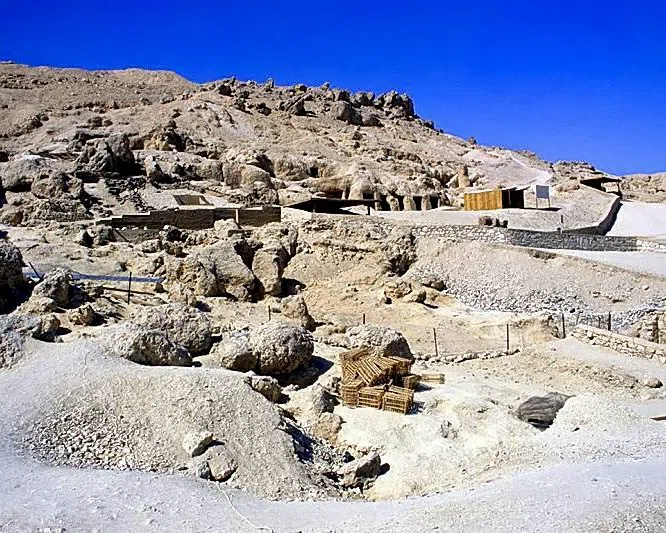
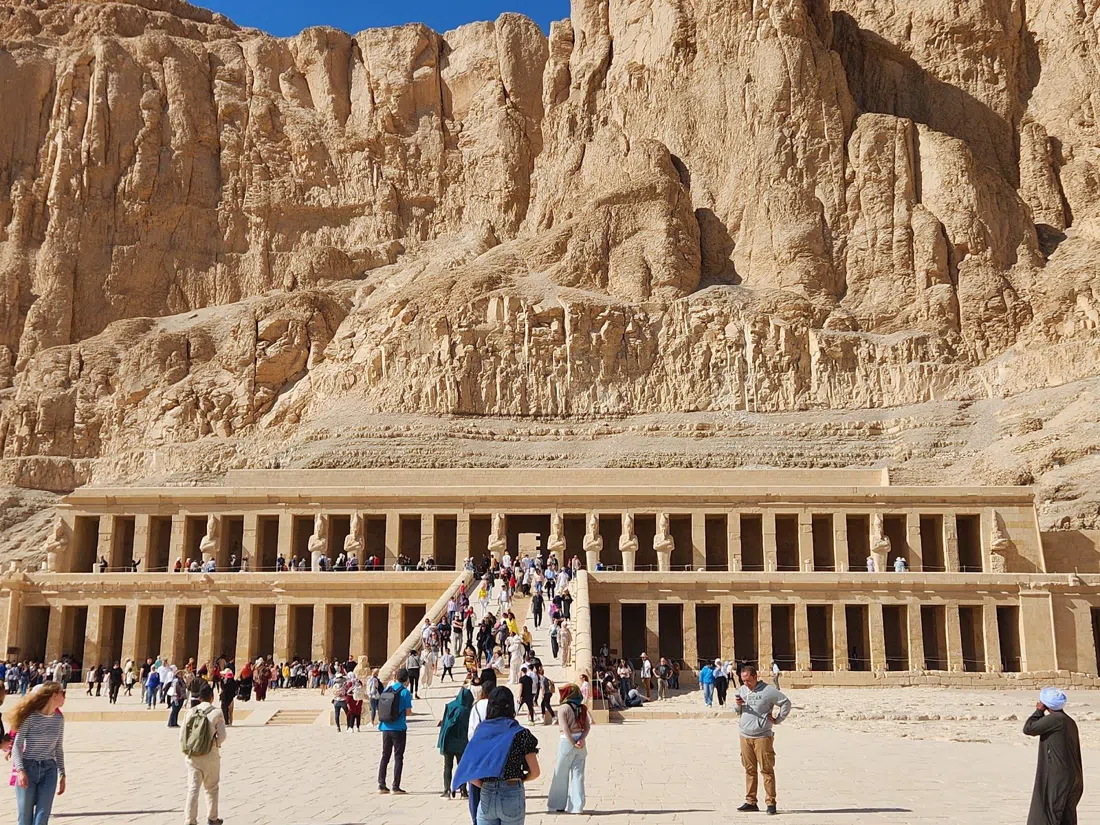
Temple of Hatshepsut at Deir el-Bahari, in the bay of cliffs at the head of the necropolis, is where the trail acquires its plot. Stand on the upper terrace and look south at the rock face. In 1881 a single shaft up there gave up more than fifty royal mummies, kings stacked in a hole because the Amun priests, faced with a necropolis they could no longer police, moved them out of their own tombs and hid them together. Everything you see in the royal valleys afterwards is a tomb the priests had already emptied.
Be clear about one thing before a tout gets to you: DB320, the cache shaft itself, is not enterable. Anyone offering to take you up there is selling you nothing. The temple handles very large groups as a matter of routine, with a tuf-tuf running from the car park to the ramp, and restoration scaffolding is on site through the 2026 season. Tickets are EGP 440 adult, EGP 220 student (about US$10). Arrive before 08:00. The cruise-boat convoys land mid-morning and the terraces have no shade worth the name.
Temples built to feed the dead forever
A mummy in a tomb was only half the system. The other half was a mortuary temple with an estate behind it, staffed to deliver offerings in perpetuity, and three of them sit on this trail.
Medinet Habu, at the southern end of the west bank, is the best-preserved of its kind: Ramesses III's 'mansion of millions of years', the machine that was supposed to feed his mummy forever. It is large, open, shaded in places and rarely crowded, which makes it one of the few sites here that genuinely absorbs a full coach without anyone's day being ruined. It is also where the trail turns criminal. The tomb-robbery papyri, which record the investigations and the confessions, trace the priesthood losing control of the necropolis from exactly this administrative world. EGP 220 adult, EGP 110 student (about US$5).
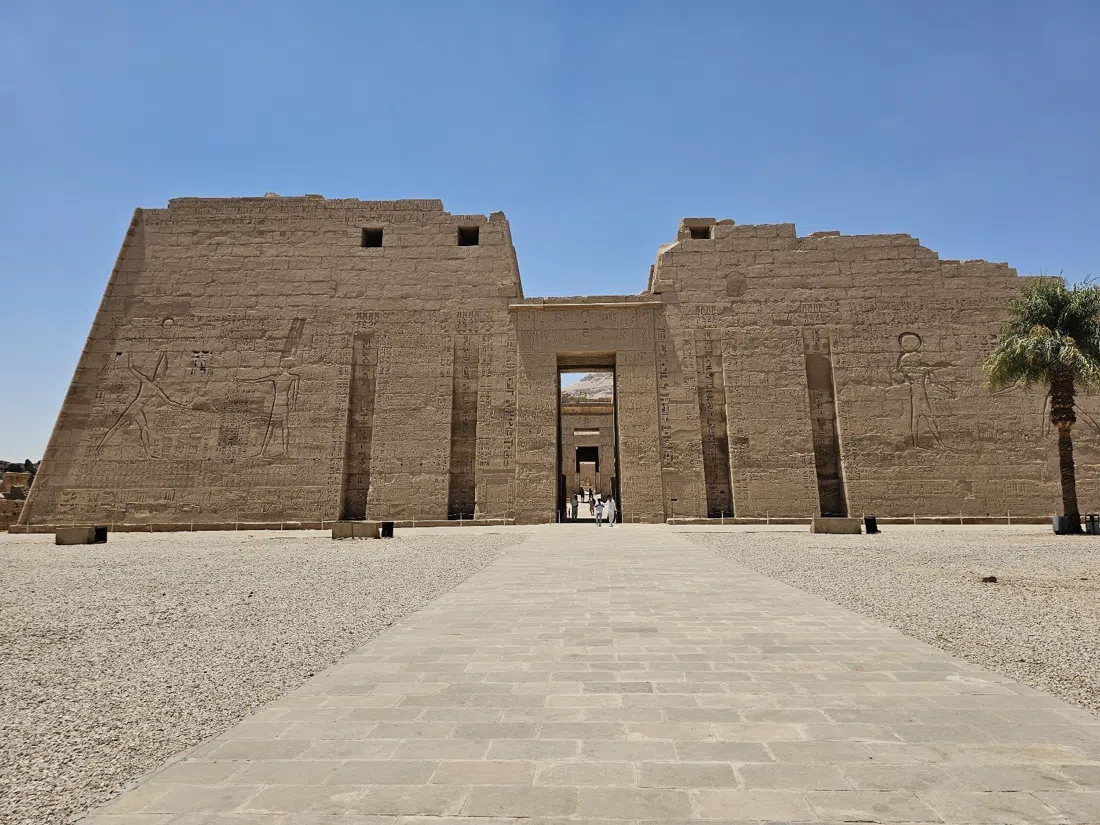
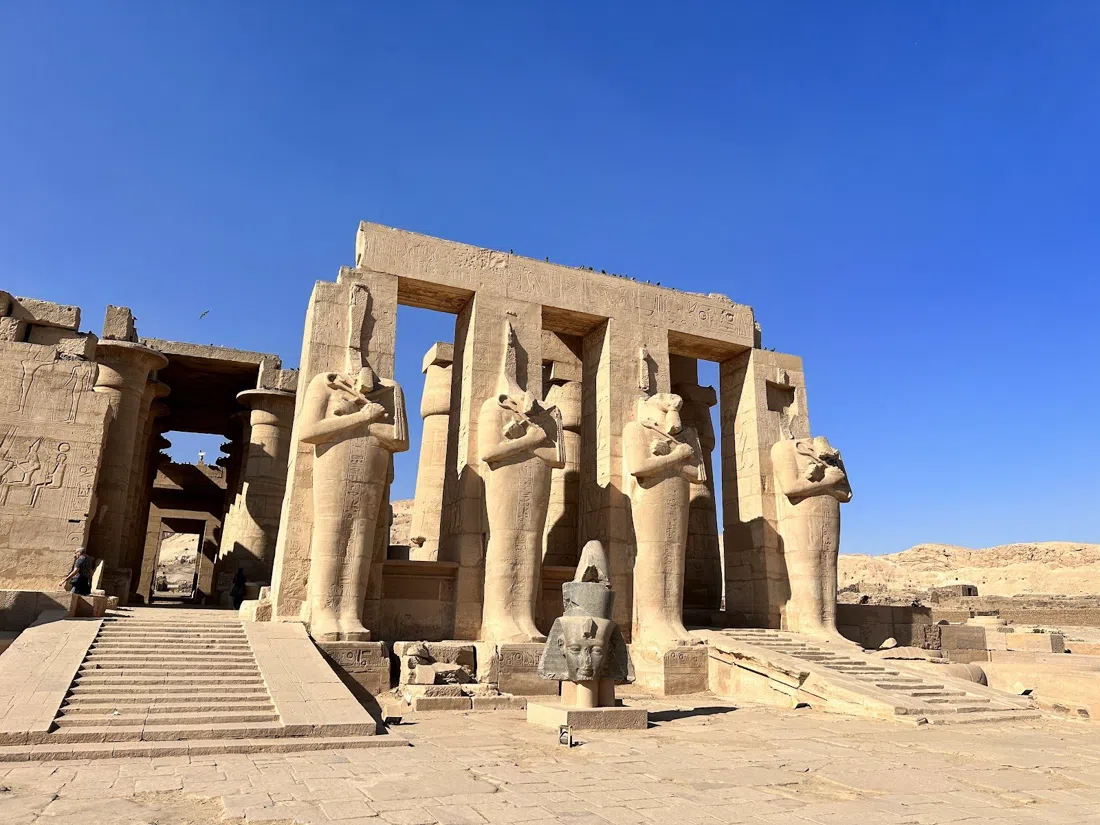
The Ramesseum, in the open ground between the cultivation and the Qurna hills, is quiet, spacious and skipped by most coaches, which is the reason to go. The Franco-Egyptian mission working here has published the temple's House of Life, the scriptorium where the funerary texts painted in the tombs were actually composed and copied, along with Third Intermediate Period burials and workshops inside the precinct. In other words, this is where the words on the tomb walls came from, and where, centuries later, people were still being buried inside the machinery. EGP 180 to 220 adult (US$4 to 5).
The Mortuary Temple of Seti I at Qurna, close to the road in from the ferry, is the cheapest serious thing on this trail at EGP 120 adult, EGP 60 student (about US$2.50). It carries the finest relief carving on the west bank, cut by the same workshops that cut Seti's tomb in the royal valley, which makes it the natural pairing with that tomb and the best possible preparation for it. Inner rooms take small groups only; the site is uncrowded enough that a coach parks and disperses without friction. An active Supreme Council restoration runs here into the 2026 winter season, so parts are fenced and scaffolded.
Into the royal valleys
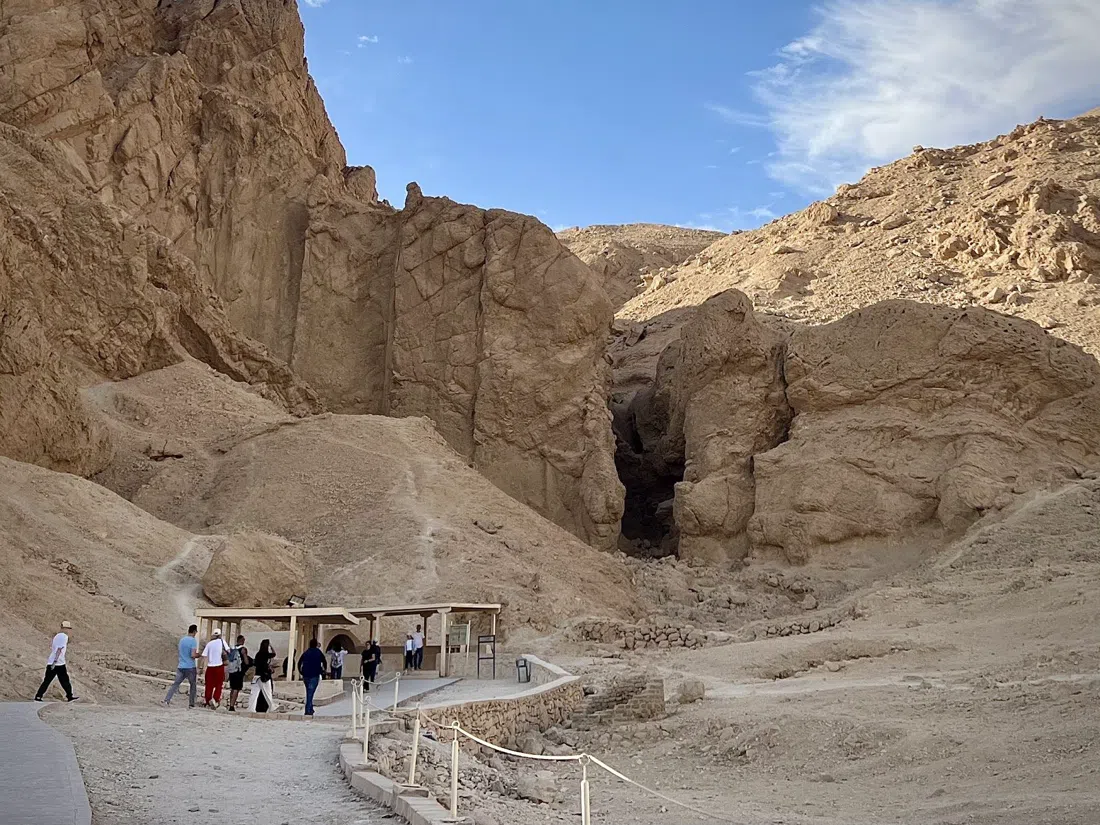
The Valley of the Kings is the endpoint of the process and the only place you can stand over a pharaoh still lying in his own burial chamber. It is purpose-built for volume now, with a visitor centre, a shuttle and wide graded paths, and guides are not permitted to lecture inside the tombs, so the briefing happens at the entrance and you walk in on your own. The base ticket is EGP 750 for any three tombs. Supplements are separate and steep: KV62 Tutankhamun adds EGP 700, KV9 Ramesses V/VI adds EGP 220, and KV17 Seti I adds EGP 2,000.
Pay the Seti I supplement. It is the finest painted tomb in Egypt, it is the longest, and at roughly US$41 it is the only supplement here that is unambiguously worth its price on its own terms. Having seen his temple carving that morning for EGP 120 makes the comparison land properly.
Over the ridge in the Western Valley, the Tomb of Amenhotep III (WV22) reopened on 4 October 2025 after a twenty-year Japanese-led restoration, and almost nobody has been inside it. Access is by special permit for parties of up to twenty-five, arranged in advance through a licensed Luxor operator, with the fee reported at roughly EGP 45,000 for the group, about €33 or US$38 a head if you fill it. Confirm the figure at the time of booking; pricing on a newly reopened site moves in its first seasons. This is also the trail's closing argument. The king's own mummy is not in it, because the priests moved him to the KV35 cache. You are standing in an empty masterpiece for exactly the reason the whole story exists.
The Valley of the Queens, back on the southern side near Deir el-Medina, is small, easily walked and comfortable with groups, at EGP 220 adult for three tombs. Go for QV55 and Khaemwaset's QV44, princes' tombs in which a father is shown physically leading his child through the gates of the afterlife, a more affecting version of the same ritual you saw painted in Rekhmire's chapel. Be firm about one point before you buy anything: Nefertari's QV66 has been closed since March 2024 over humidity damage, with no reopening date announced. Any operator selling it is selling something they cannot deliver.
Close the loop at Karnak
Finish back on the east bank at the Karnak Temple Complex, north of the town centre, because this was the head office. The High Priests of Amun who ordered the royal reburials ran the country from inside these walls, and the Sacred Lake is where priests purified themselves before handling the dead. Standing there at the end of the trail rather than the start of it, the reburials stop looking like vandalism and start looking like administration.
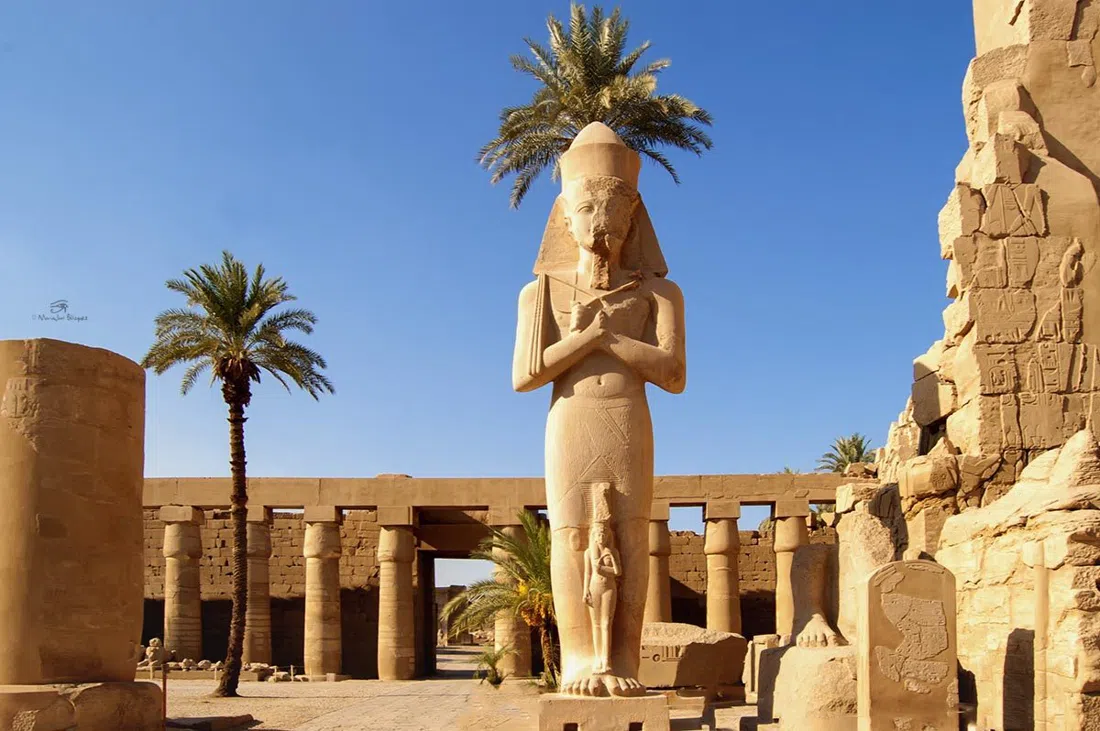
Karnak is built for volume and takes the biggest groups in Egypt daily; go at opening or in the late afternoon. EGP 600 adult, EGP 300 student (about US$12.50), with the Open Air Museum on a small extra ticket, around EGP 100.
Planning it, paying for it, getting around
Three days is the honest minimum: one east bank day for the two museums and Karnak, and two west bank days split between the workers' and nobles' tombs on one and the royal valleys on the other. Compressing the west bank into a single day is possible, but you will be walking tomb shafts at 40°C in the afternoon, which is how people end up skipping the Ramesseum.
Cross the river on the public ferry for a few pounds, then take a taxi on the west bank. Agree the fare and the full stop list before you get in, including the Antiquities Inspectorate office, which is not on anyone's default route. Buy the Deir el-Medina, Nobles and Dra Abu el-Naga tickets there in one transaction at the start of the day.
On money: as of 2026 almost every site in Egypt is card-only, so bring a working debit or credit card and check it does not block foreign transactions. Budget roughly EGP 3,000 to 3,500 a head for the standard trail across three days including the Seti I supplement, well under EGP 2,000 without it, and add the WV22 permit only if you can fill or join a group. Start at sunrise every day, take the middle of the afternoon off, and put the Mummification Museum in an evening slot.
For where to base yourself, east bank for the Corniche and Karnak, west bank for the 06:30 starts, see the Luxor hotel search, and the wider Luxor guide for everything on this side of the river that has nothing to do with the dead.