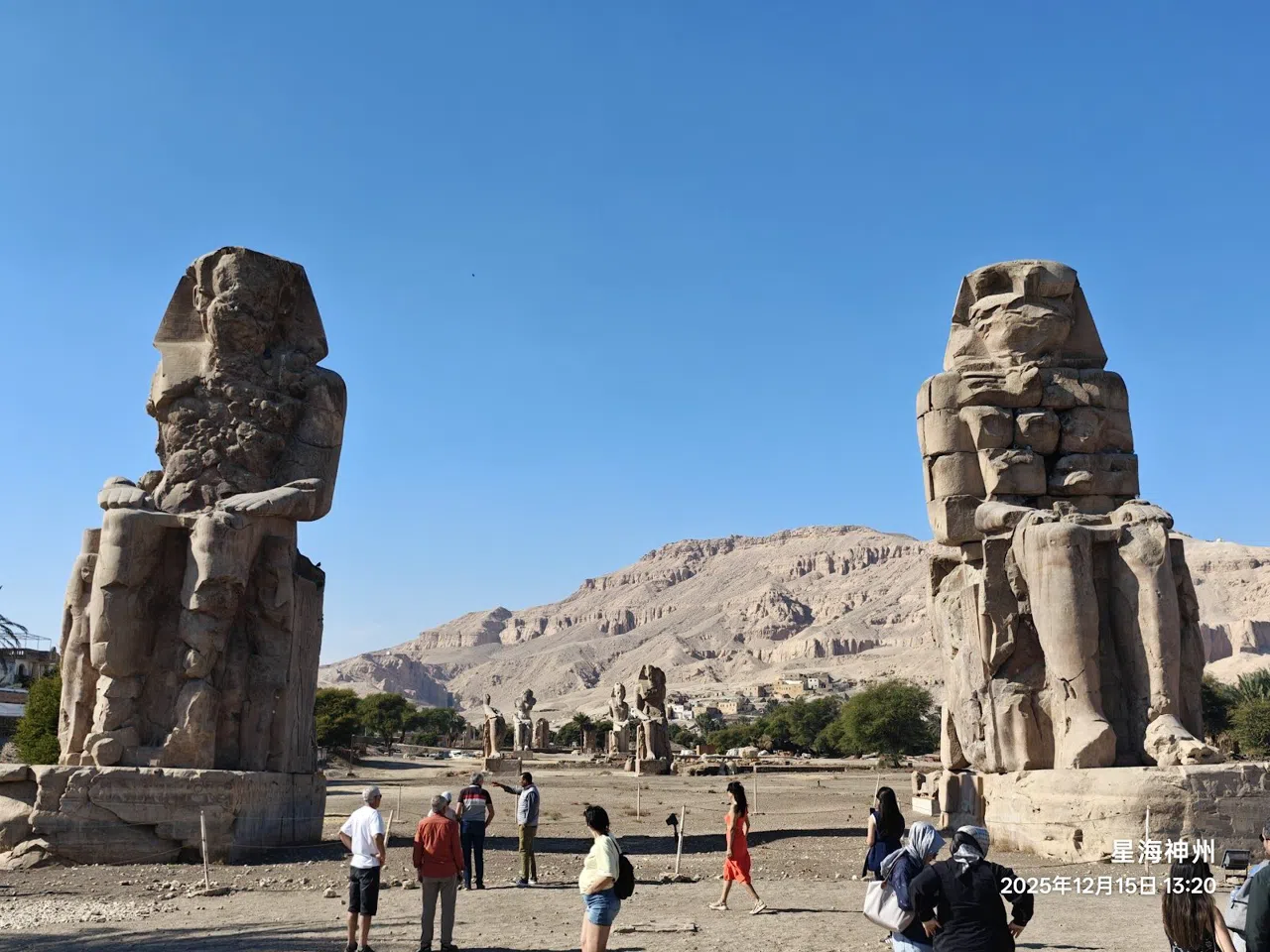
석영암으로 된 두 개의 앉은 모습, 대략 18미터에 달하는 이 거상들이 서안 주요 도로에서 몇백 미터 떨어진 짧은 풀밭에 앉아 있어요. 얼굴은 초상이라고 하기엔 풍화에 가까울 만큼 닳아버렸죠. 대부분의 방문객은 여기서 10분을 보내요. 유료 무덤으로 가는 길에 운전기사가 가장 먼저 지나치는 것이 이 석상이고, 하루 일정에는 지켜야 할 시간표가 있으니까요. 그건 바로잡을 만한 부분이에요. 2025년 12월부터 석상 뒤에 재건된 신전이 서 있고, 강 이쪽편에서 손꼽히는 주방 몇 곳이 차로 몇 분 거리에 있거든요.
두 왕과 사라진 신전
멤논의 콜로서스(서안 도로, 콤 엘-헤탄)는 둘 다 같은 인물, 즉 아멘호테프 3세예요. 앉아서 두 손을 무릎에 평평하게 얹고, 강을 향해 범람원 건너 동쪽을 바라보고 있죠. 얼굴보다 다리를 보면 그 옆에 조각된 더 작은 인물들을 발견할 수 있어요. 그의 어머니와 왕비로, 대략 무릎 높이에 있는데, 이게 어떤 치수보다도 규모를 잘 보여줘요. 이들은 애초에 홀로 서 있도록 만들어진 게 아니었어요. 이쪽 강변에 세워진 장제전 중 가장 큰 건물의 입구 탑문이었고, 그 사이와 뒤에 있던 모든 것은 너무 오래전에 사라져서 여러 세대의 여행자들은 이 석상 자체가 기념물이라고 생각했죠.
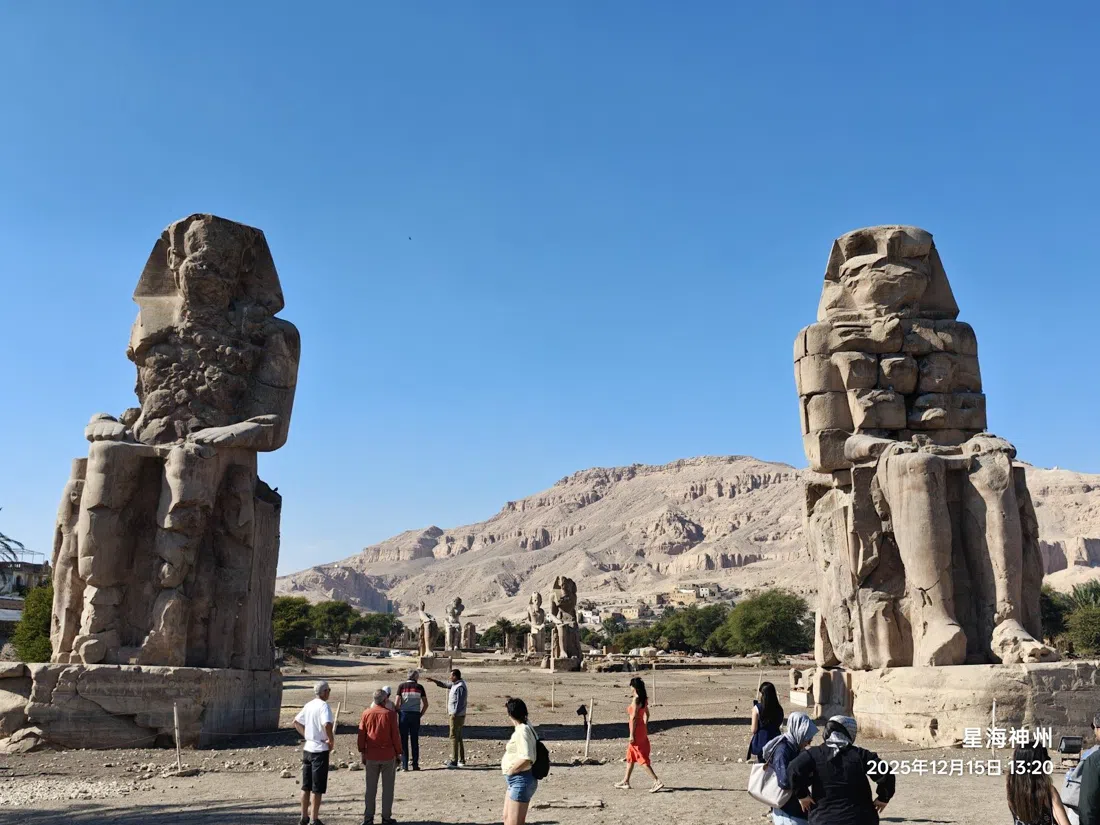
신전의 문제는 그 위치였어요. 범람원 낮은 곳에 세워져 해마다 반복되는 홍수를 견디다 진흙 속으로 무너졌고, 이후 통치자들은 그 폐허를 이미 잘린 돌이 있는 채석장처럼 다뤘어요. 살아남은 것은 이 유적에서 가장 단단한 두 물체뿐이었죠.
이 이름은 굳어버린 오해에서 비롯됐어요. 그리스 방문객들은 북쪽 석상이 아킬레우스에게 죽은 왕이자 새벽의 여신의 아들인 멤논이라고 생각했고, 이 동일시는 그 석상이 소리를 낸다는 사실 덕에 크게 힘을 얻었죠. 기원전 27년의 지진으로 금이 갔고, 그 후 일출 때 방문객들이 한 음이나 튕긴 현처럼 묘사한 소리를 냈는데, 거의 확실히 갈라진 돌에서 증발하는 이슬 때문이었어요. 로마 시대 관광객들은 이 소리를 들으러 일부러 왔고 다리에 자기 이름과 시구를 새겼는데, 그래서 북쪽 거상의 받침에는 여러분이 앞에 서게 될 가장 오래된 방문객 낙서가 남아 있어요. 서기 199년경 황제 셉티미우스 세베루스가 이 석상을 수리했고, 그 뒤로는 다시 소리가 나지 않았어요. 지금 보고 있는 게 무엇인지 솔직해지자면, 심한 침식, 얼굴이라고 할 만한 것도 없고, 알고 보면 위쪽 층에서 눈에 띄는 거의 2천 년 된 수리 흔적이에요.
석상 뒤편에서 2025년에 달라진 것
지난 30년의 대부분 동안 콜로서스 뒤편 땅은 파편이 줄지어 놓인 채 굴착 작업이 진행 중인 현장이었어요. 그 작업이 이제 걸어 들어갈 수 있는 결과물을 만들어냈죠. 아멘호테프 3세 장제전(콤 엘-헤탄)(콜로서스 정차 구역 바로 옆)은 2025년 12월 13일 재조립된 거대 석상을 다시 공개했는데, 후리그 수루지안이 이끄는 이집트-독일 공동팀이 30년 가까이 깨진 돌을 들어 올리고 맞추고 다시 세운 성과예요.
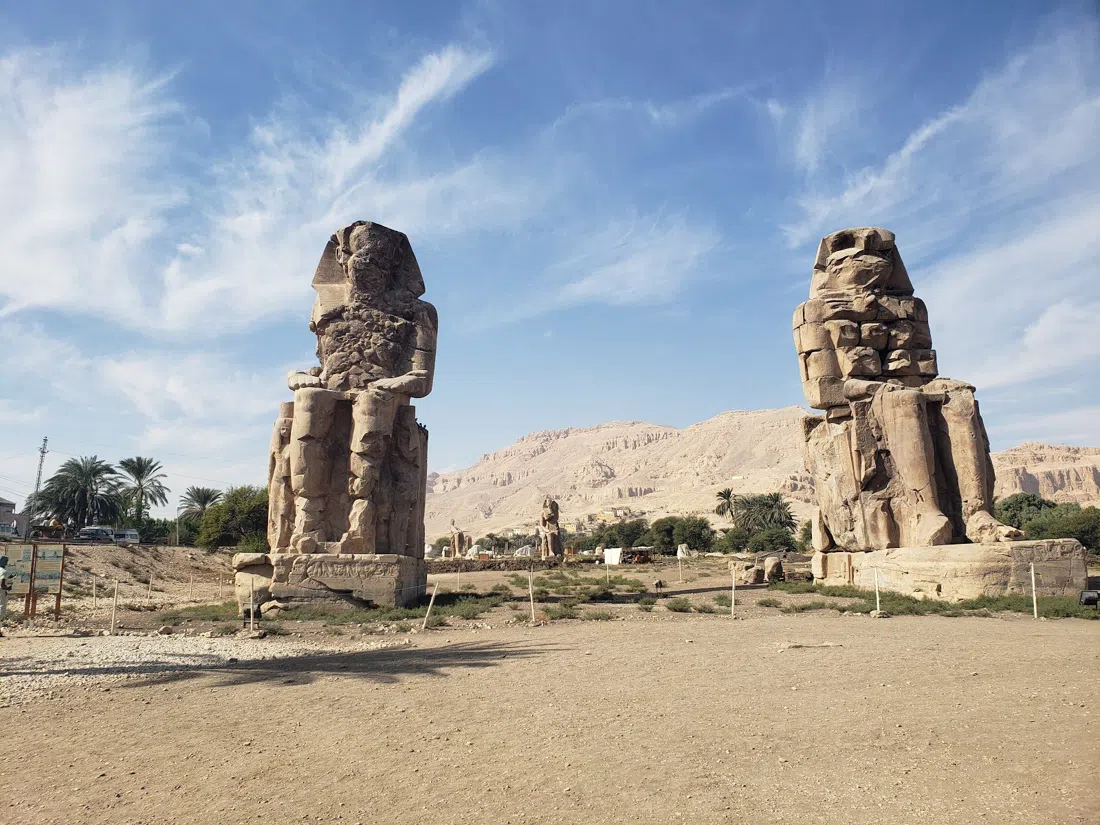
실질적인 결과는 간단해요. 얼마 전까지만 해도 이 정차 지점은 석상 두 개와 사진 한 장이 전부였어요. 이제는 그 뒤에 신전 앞 광장이 있고, 원래 의도된 높이에 가깝게 다시 세워진 조각들이 서 있으며, 건물의 축이 지상에서 읽혀요. 서안이 부속 유적지에 매기는 100~220 이집트 파운드 가격대에 속하고, 콜로서스 자체가 서 있는 앞 광장은 무료로 남아 있어요.
제 경험상 가이드들은 여전히 이 정차 지점 전체에 10~15분을 배정해요. 신전이 생기기 전에 짜인 일정이니까요. 하루를 시작할 때 여기서 30분을 쓰고 싶다고 말해보세요. 부탁하기 쉬운 요청이고 기사들도 익숙해요.
실제로 걸리는 시간
5분이면 정차 구역에서 사진 한 장을 얻어요. 15분이면 두 석상과 북쪽 석상의 로마 시대 비문, 그리고 뒤쪽으로 돌아 걸어가 뒤판의 덜 다듬어진 거친 조각을 볼 수 있는데, 앞면보다 더 흥미로워요. 45~60분이면 석상에 뒤편 신전까지, 정말로 이것저것을 눈여겨볼 수 있는 속도로 둘러볼 수 있어요.
남의 일정을 따라가는 게 아니라 스스로 하루를 짠다면, 더위가 오기 전 시작할 때 여기에 한 시간을 배정하는 게 맞아요.
문도, 표도 없고, 그에 따르는 호객꾼들
콜로서스에는 입구도, 매표소도, 정원 제한도 없어요. 버스는 도로변 정차 구역에 바로 대고 모두 걸어 들어가죠. 그게 매력이에요. 이쪽 강변에서 입장료가 전혀 없는 몇 안 되는 주요 유적이니까요. 그게 또한 단점의 전부이기도 해요. 문이 없다는 건 그늘도, 화장실도, 석상 앞에서 물을 살 곳도 없다는 뜻이에요.
또한 판매상들이 줄이 아니라 정차 구역에서 활동한다는 뜻이기도 하죠. 스카프, 설화석고, 엽서, 사진을 찍어주겠다는 제안까지요. 이들은 큰 일행 주변에 몰려요. 그래서 버스 단체가 택시에서 내린 두 사람보다 훨씬 많은 관심을 받아요. 차 문을 열기 전에 뭔가 살지 말지 정하세요. 아랍어로 정중하고 단호한 거절을 한 번 하고 그 뒤엔 더 얘기하지 않는 게 대화를 하는 것보다 훨씬 잘 통해요. 공격적인 사람은 없지만, 관광버스에서 사람들이 쏟아져 나오면 인파가 되고, 압박은 그 규모에 비례해요.
기본 규칙은 뻔해요. 뒤편 발굴 구역은 필요한 곳에 울타리가 쳐져 있고, 석상에 오르면 안 되며, 여기서 다음 유료 유적지까지 화장실은 없다고 생각해야 해요.
현장 요금 대 예약한 하루 일정
콜로서스가 무료라서, 돈 문제는 사실 하루의 나머지 전부에 관한 것이에요. 뒤편 신전은 그 100~220 이집트 파운드 가격대에 들어요. 근처의 더 큰 유료 유적지는 성인 220 이집트 파운드, 학생 110 이집트 파운드이고, 이집트인에게는 훨씬 낮은 요금이 적용돼요. 여기에 반나절 기사 딸린 차를 더하면 독립적으로 다니는 방식이 되죠.
예약하는 방식은 서안을 하루 종일 가이드와 도는 투어로, 월요일부터 일요일까지 주 7일 운영되며 1인당 89달러부터 시작해요. 이런 투어들은 모두 합쳐 6,330개의 여행자 리뷰를 갖고 있고, 최고 평점 상품은 1,737개 리뷰에 5점 만점에 4.9예요. 여러분이 사는 것은 교통, 자격을 갖춘 가이드, 그리고 하루의 순서 짜기예요. 새치기가 아니에요. 콜로서스에는 줄도 없고 새치기할 문도 없으니까요. 이미 기사를 구해뒀고 유적을 스스로 읽는 게 편하다면, 이 정차 지점은 돈 한 푼 안 들이고 즐길 수 있어요. 어떤 파편이 어디서 나왔는지 아는 사람에게 신전 설명을 듣고 싶다면, 가이드 비용을 내세요.
아침 식사, 열기구 인파, 그리고 6시 문 여는 곳들
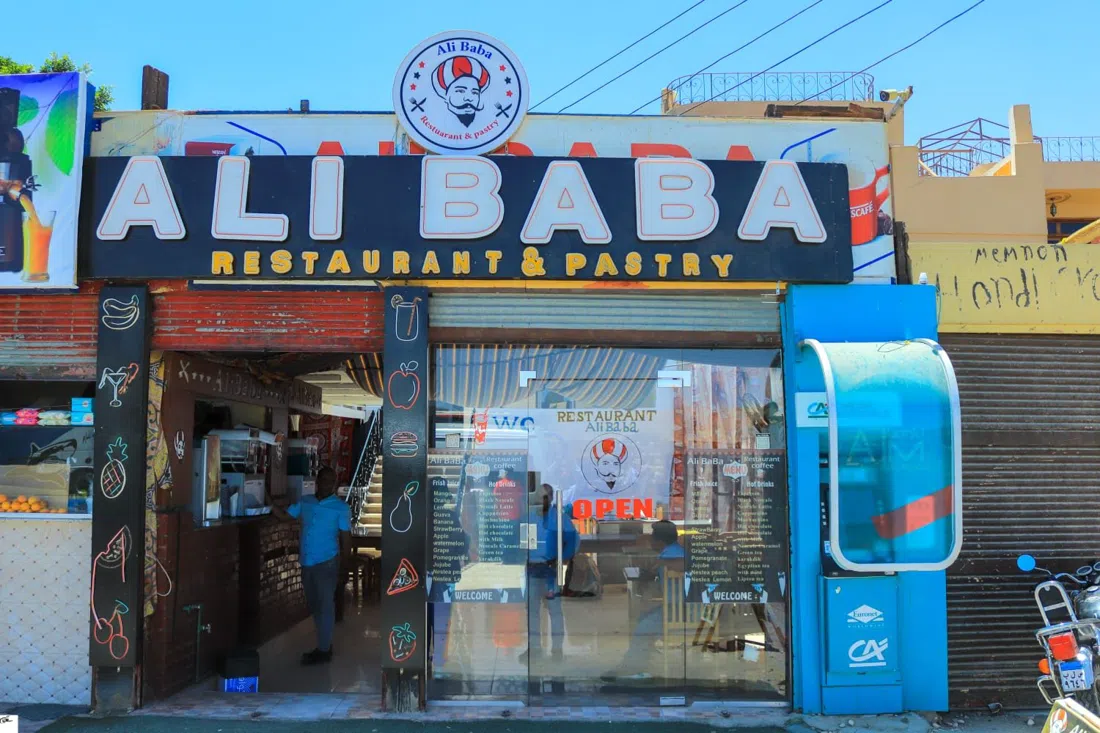
서안의 가장 좋은 음식 비결은, 일찍 일어나는 곳들이 유적보다 먼저 문을 연다는 거예요. 알리 바바 레스토랑 & 카페(서안, 콜로서스에서 몇 분 거리)는 06:30에 문을 열고 새벽에 내려오는 열기구 비행 팀들을 위해 준비되어 있어요. 그래서 강 이쪽편에서 가장 유용한 아침 식사처이자 석상에서 가장 가까운 제대로 앉아 먹는 식당이죠. 메인 요리는 대략 120~250 이집트 파운드이고, 카드 결제가 되며, 예약 없이 들어가도 괜찮아요. 다만 10명 이상이면 +20 150 162 9002로 미리 전화하세요. 큰 일행이 물밀듯 들어오니까요.
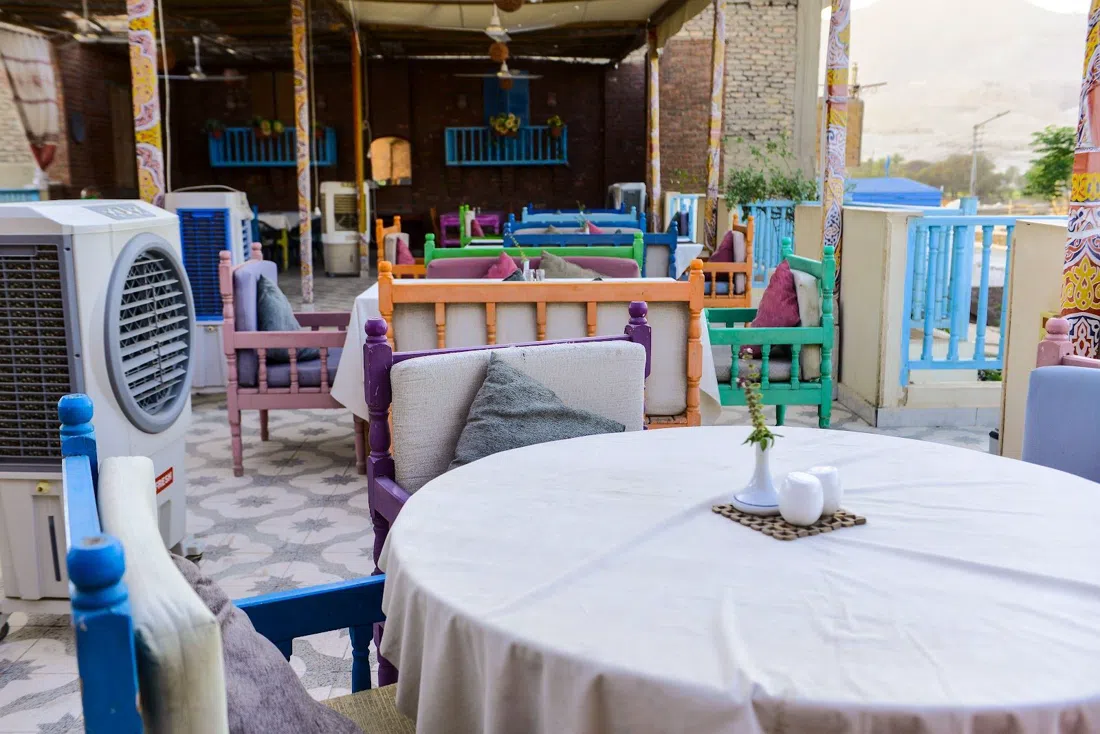
보러 온 그것을 바라보며 먹고 싶다면, 멤논 게스트하우스, 레스토랑 & 카페(기념물 바로 맞은편)가 06:00~23:00 문을 열고 주인 하산이 직접 운영해요. 주스와 차는 몇 파운드, 타진은 대략 100~200 이집트 파운드이고, 작은 가족 운영이에요. 커플이나 8~10명까지의 일행에게 편안하고, 그보다 크면 +20 100 414 4346으로 전화하세요. 콜로서스를 5분간 사진 찍고 마는 대신 한 시간 함께 앉아 있고 싶다면 이곳을 고르세요.
석상에서 10분 이내의 점심
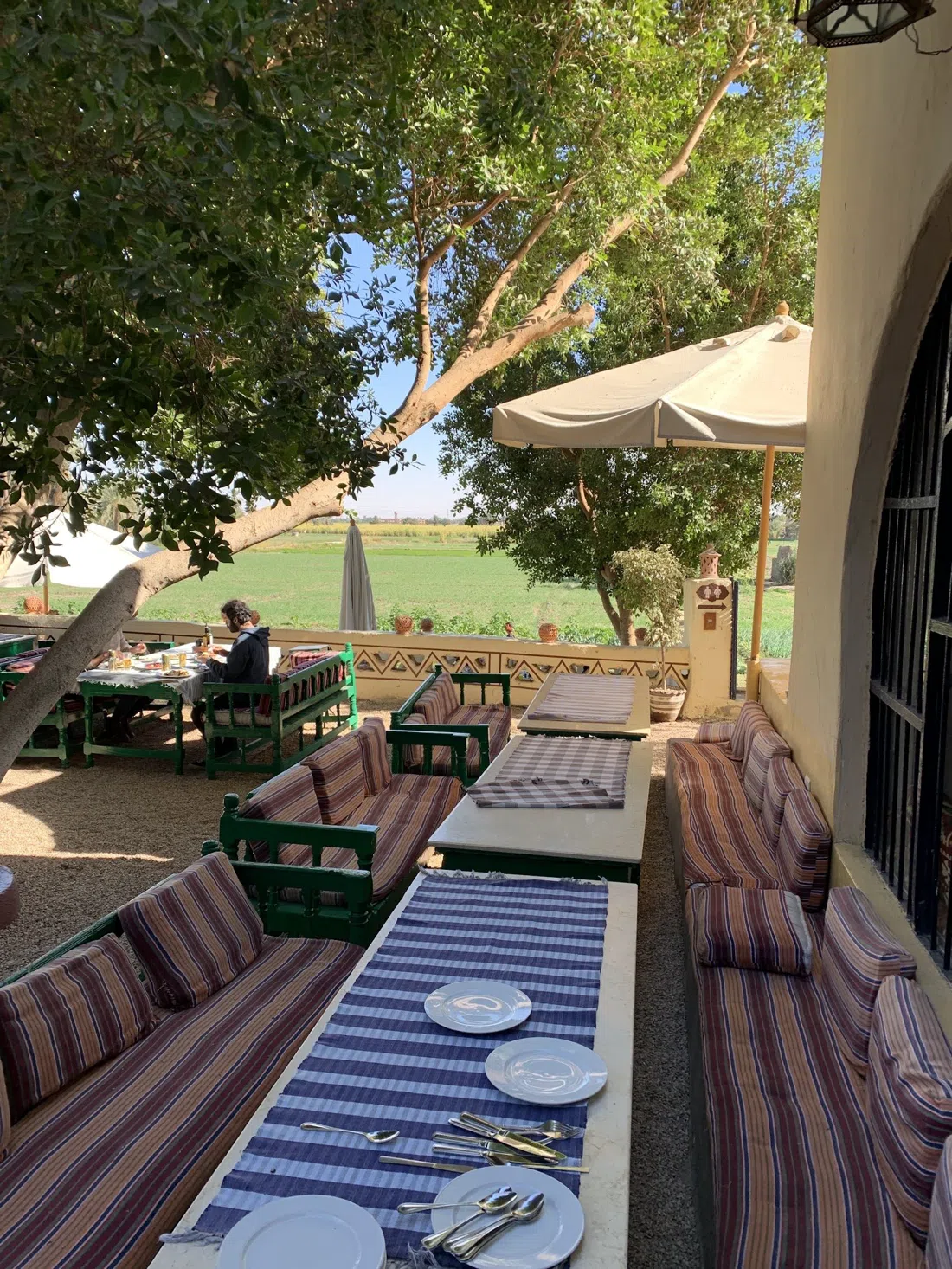
Marsam Hotel Garden Restaurant(Kom el-Hettan, 내륙으로 잠깐 들어간 곳)은 흥미로운 점심 식사 장소예요. 이 건물은 100년 된 옛 발굴 숙소로 1939년에 호텔이 되었고, 주방에는 고정 메뉴가 없어요. 그날 호텔 정원과 나세르 호수에서 올라온 물고기로 만든 요리를 선보이죠. 한 사람당 대략 EGP 510~1,300 정도 생각하시면 돼요. 비숙박객도 환영하지만, 단체라면 미리 [email protected]으로 이메일을 보내야 해요. 주방에서 인원에 맞춰 요리할 수 있도록요. 열 명이 떼로 와서 메뉴를 기대하는 건 이곳의 방식이 아니거든요.
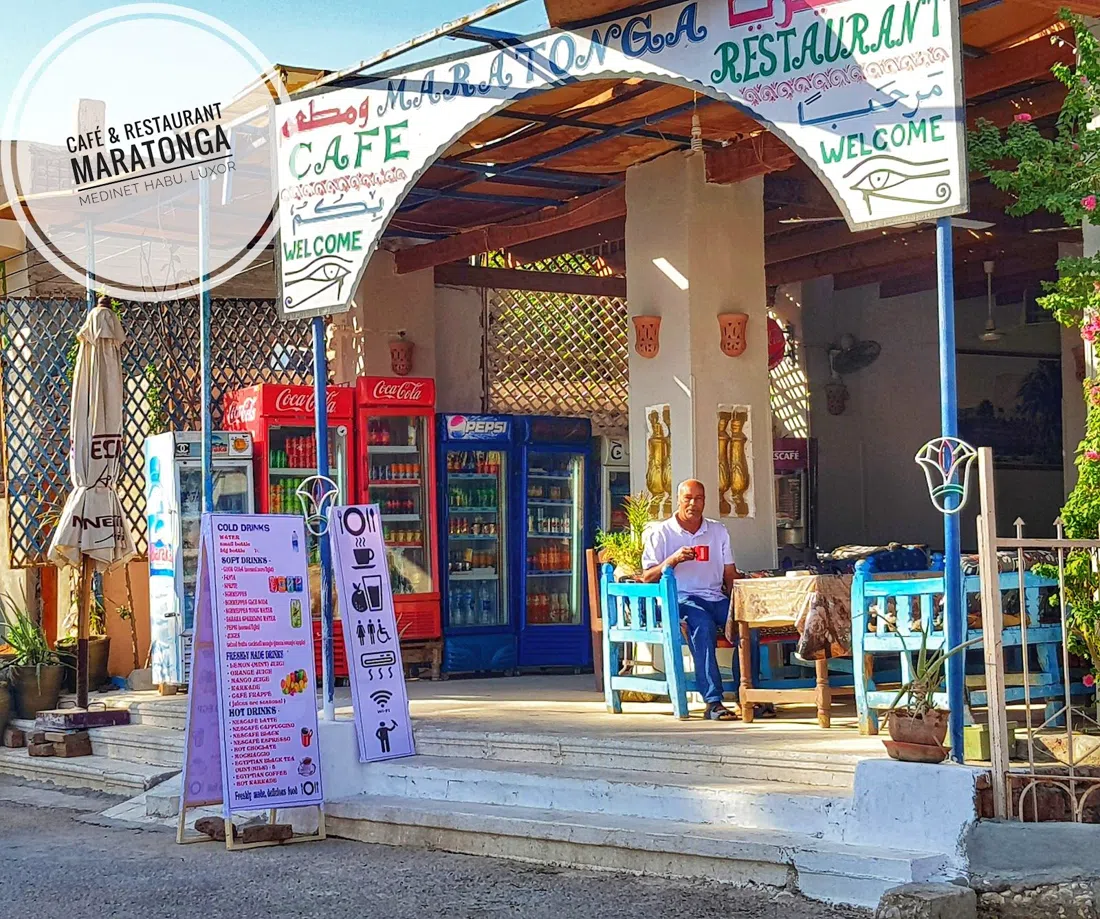
Café & Restaurant Maratonga(Medinet Habu 맞은편)는 작은 정원이 있는 독일-이집트 가족 운영 주방으로, 06:00~20:00에 문을 열고 커피, 주스, 가벼운 요리를 EGP 50~180에 제공해요. 이곳은 서안에서 식이 요구 사항을 진짜로 챙겨주는 유일한 곳으로, 글루텐 프리와 비건 요리 및 베이킹 워크숍도 운영해요. 정원이 작아서 몇 명 정도는 괜찮고, 더 큰 테이블은 +20 103 295 5774 또는 [email protected]으로 예약해야 해요.
Ramesseum Rest House(서안 중앙, Ramesseum 옆)는 레스토랑이 아니고 그런 척도 하지 않아요. Abd el-Rassoul 가족(Mohamed가 아버지 Mahmoud를 이어받았어요)이 운영하며, 유적지 사이에서 시원한 맥주를 찾을 수 있는 가장 믿을 만한 곳이에요. 음식 목록은 일부러 짧고 저렴해요. 식사가 아니라 음료와 그늘을 위해 오세요. 기사들이 사원 사이에 단체를 여기 세워두는 경우가 많아서 금방 꽉 차고 금방 비기도 해요.
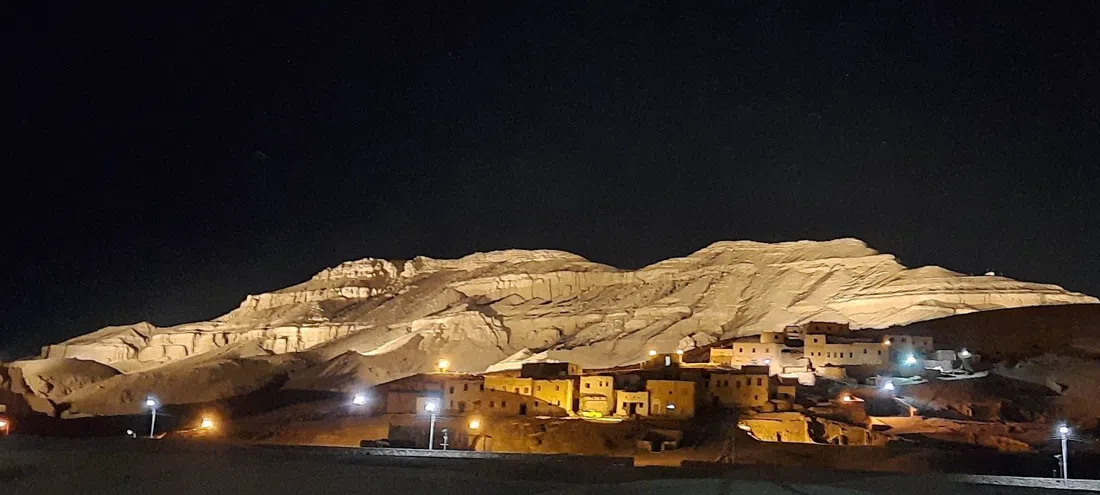
Nour El Gourna(Gournah, Colossi에서 약 700m)는 걸어갈 수 있을 만큼 가까운데, 이 강변에서는 드문 일이에요. 흙벽돌 방 열 개와 정원이 있고, 이집트식 정식이 한 사람당 대략 EGP 300~600이며, 오리구이와 molokhiya는 호텔식이 아니라 현지 주방 방식으로 조리해요. 그 자체로 저녁 식사로 예약하세요. 큰 일행이면 주방에 미리 알려야 하고, 사원 일정에 끼워 넣으면 아까운 곳이에요.
반대편 끝에는 Al Moudira Hotel(Medinet Habu 너머)이 세 개의 주방, Ottoman Hall, Khan Al Moudira, Il Forno를 운영하며 지중해-레반트 요리, 장작 화덕 요리, 이집트 클래식을 호텔 자체 농장 produce로 선보여요. 비숙박객도 점심이나 저녁을 예약할 수 있지만 [email protected] 또는 +20 122 325 1307로 예약은 필수예요. 이곳은 서안에서 가장 비싼 식탁이고, 먼지 묻은 부츠를 신은 단체가 들르는 곳은 아니에요.
A rooftop, a river view and the ferry-side dinner
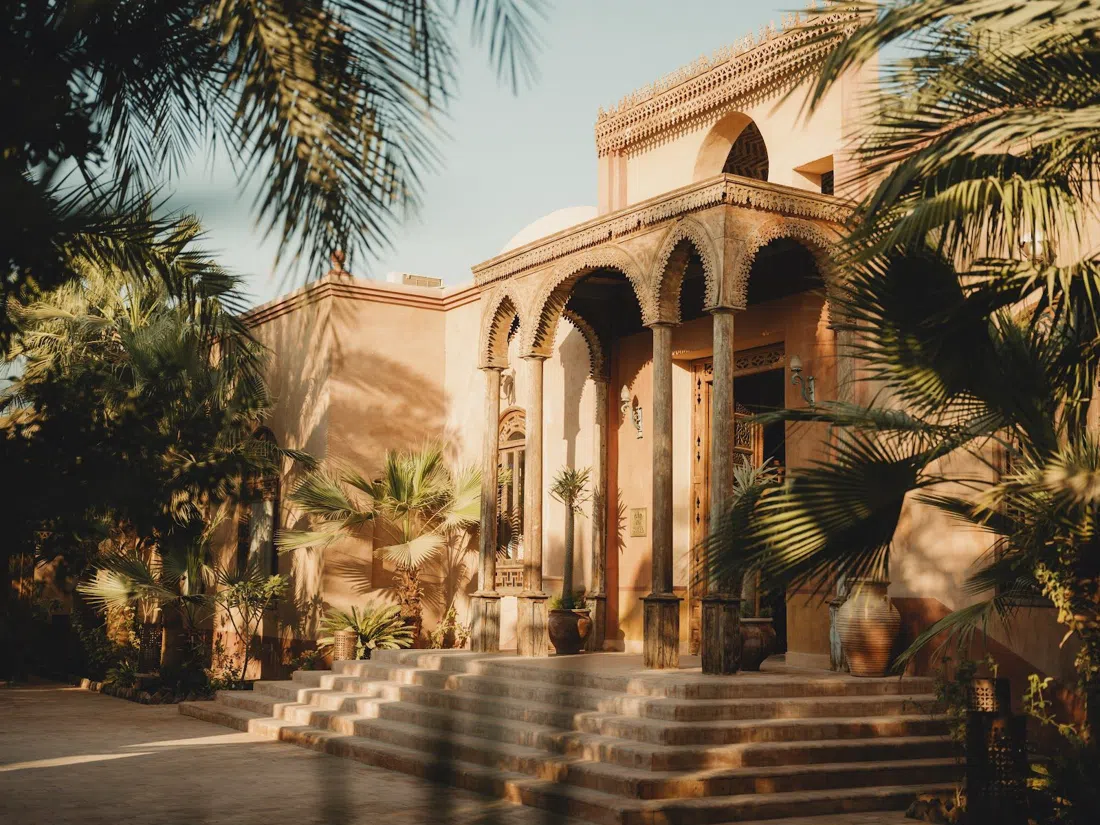
End the day nearer the water. Sunflower Restaurant West Bank (el-Gezira, minutes from the public ferry landing) is open 11:00-23:00 daily, serves alcohol, which is genuinely rare here, and stays open late, with a set menu around EGP 90-150 and drinks EGP 20-30. It is used to walk-in groups coming off the ferry; call +20 100 900 2234 for a big table.
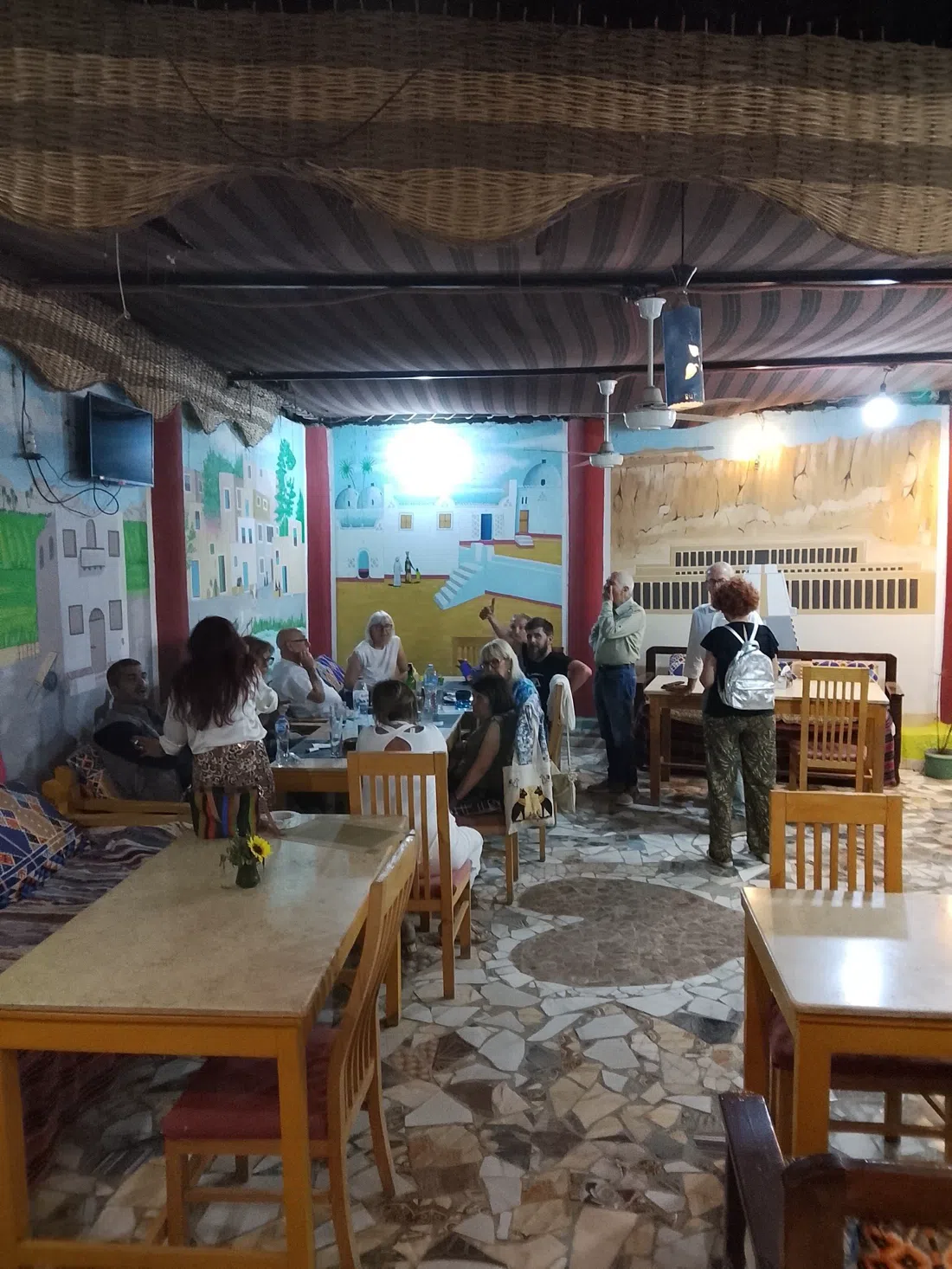
Tutankhamon Restaurant (el-Gezira, roughly 200m south of the ferry landing) has the best across-the-water view of the East Bank on this side of the river. The menu is fixed and seasonal at around EGP 90, drinks EGP 15-25, so choice is limited and the cooking is consistent; the format also means a group gets fed fast. Reserve in high season.
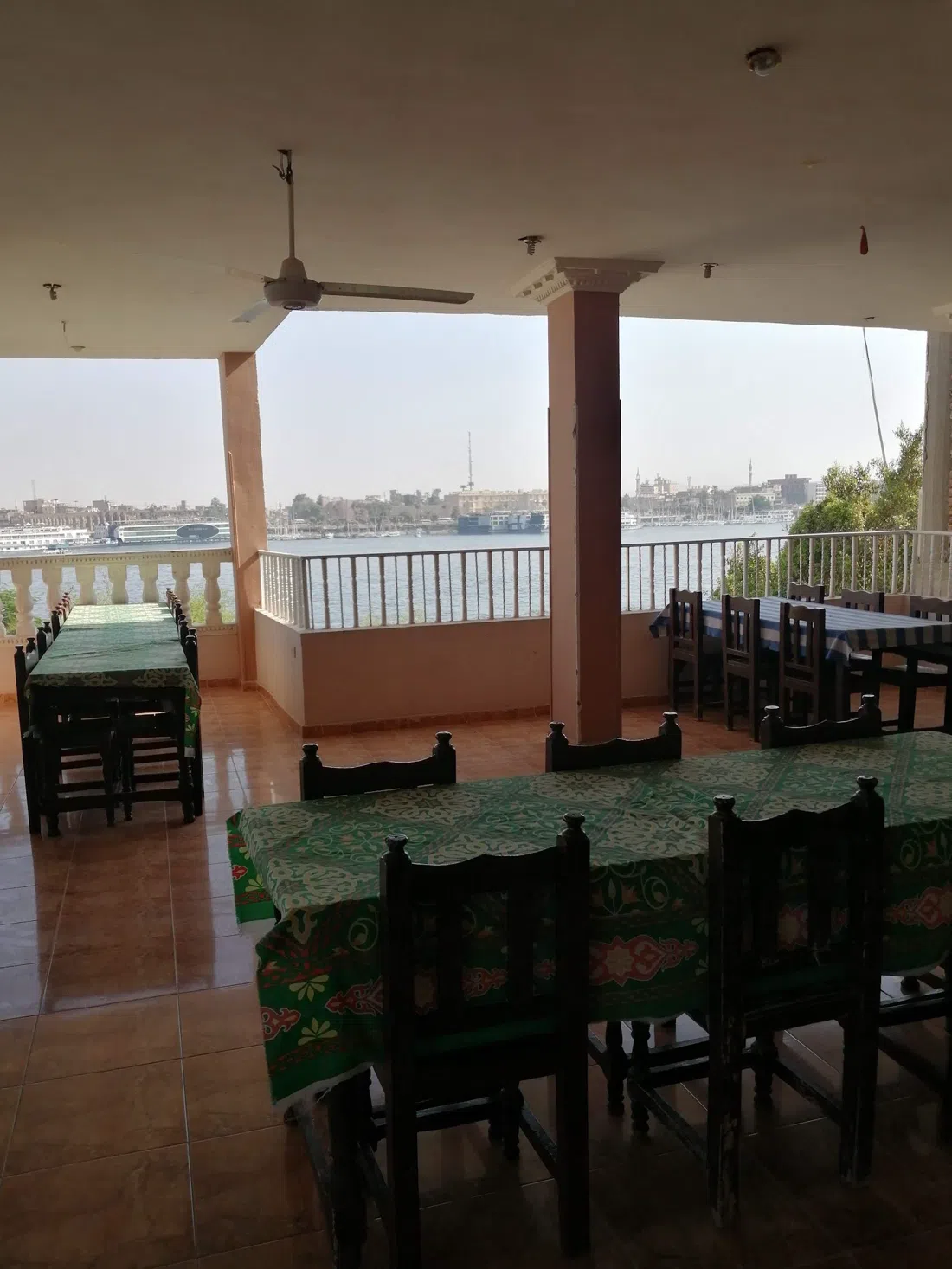
El Gezira Hotel rooftop restaurant (el-Gezira village) was renovated in 2025 and is still family-run, serving Egyptian and international dishes at village prices. It hosts folklore evenings that are put on for the guests staying there rather than staged for coaches, which is the difference worth paying attention to. Ring +20 952 310 034 or email [email protected] for a non-resident table.
What to put either side of the Colossi
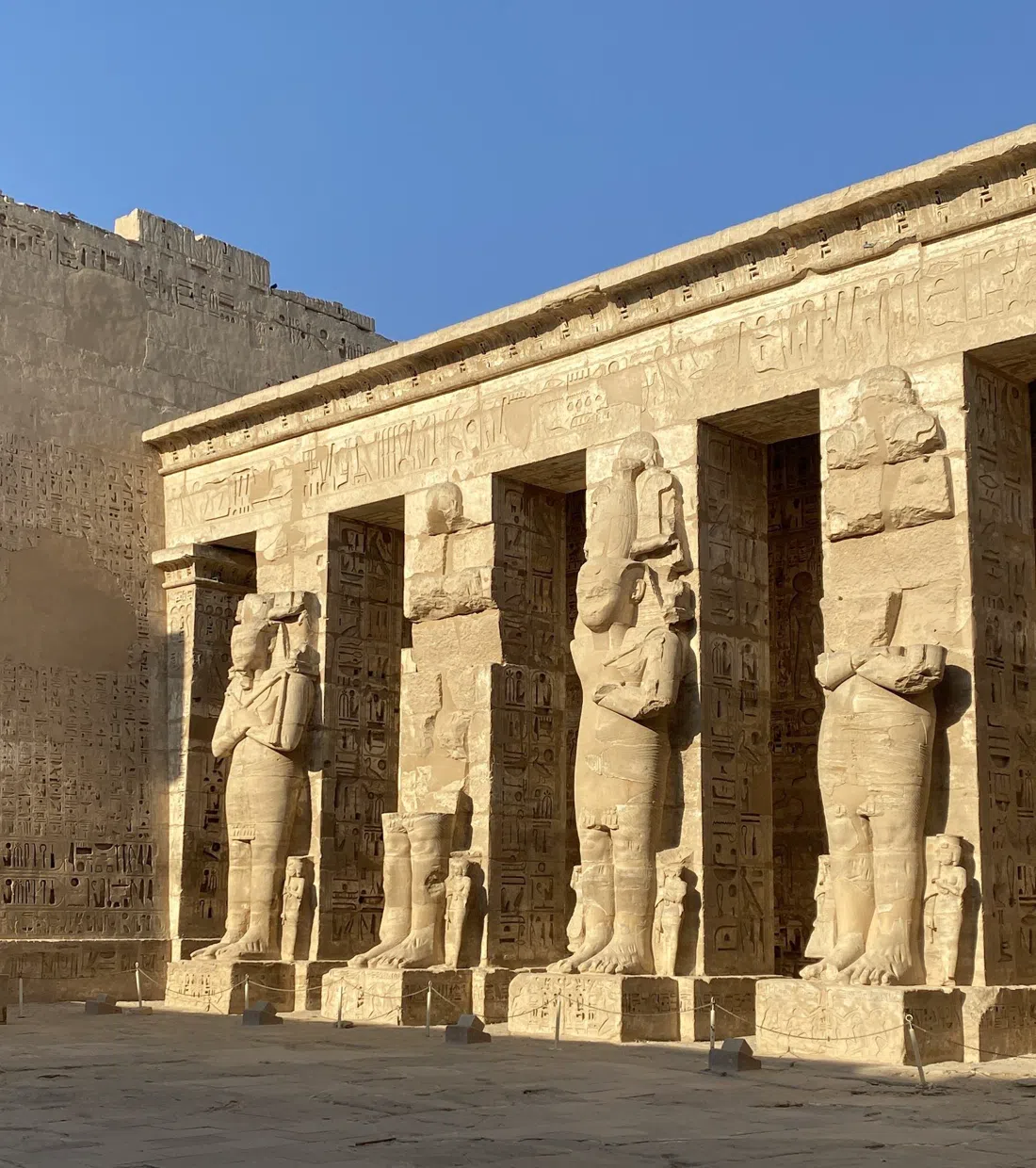
Medinet Habu (Mortuary Temple of Ramesses III) (southern west bank) is the obvious ticketed counterweight to the free statues: a few minutes' drive, open 06:00-17:00, EGP 220 adult and EGP 110 student, and the best-preserved painted temple on this bank. Colour survives on the ceilings and in the upper reaches of the columns. It takes coach groups without strain.
Howard Carter House (on the same west-bank road, near the Colossi) is the human-scale stop, the excavator's domed house, kept as a small museum, open from early morning until 17:00, EGP 220 adult and EGP 110 student. The rooms are cramped, so groups have to go through in waves; two or three people will enjoy it and twenty will not.
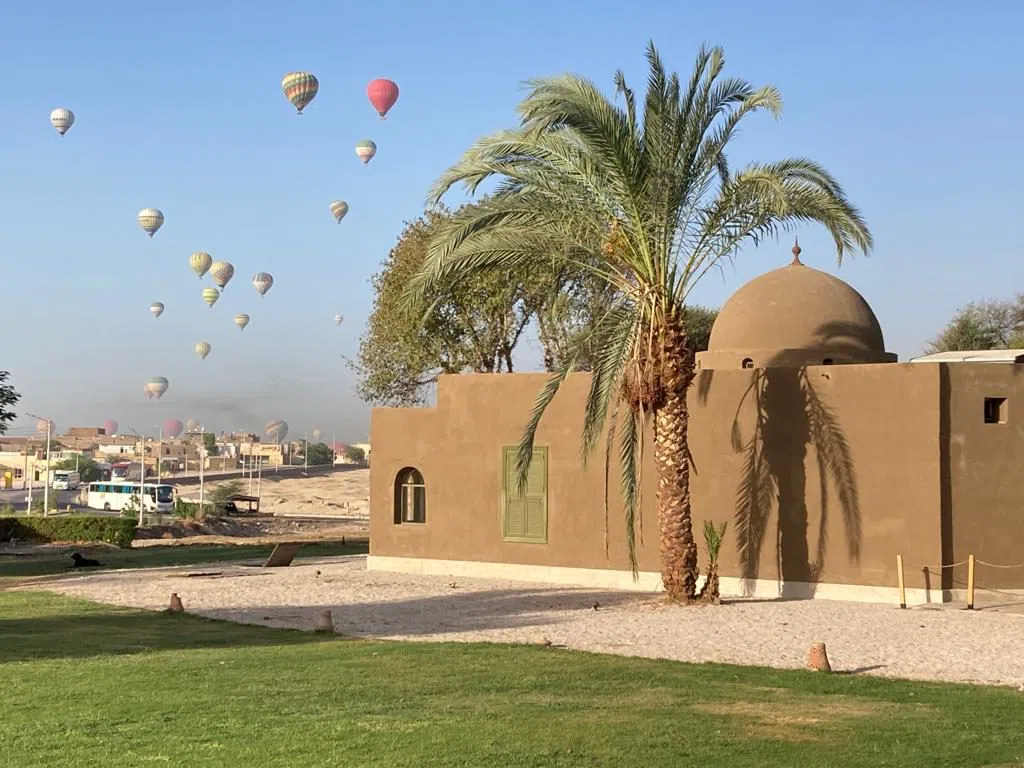
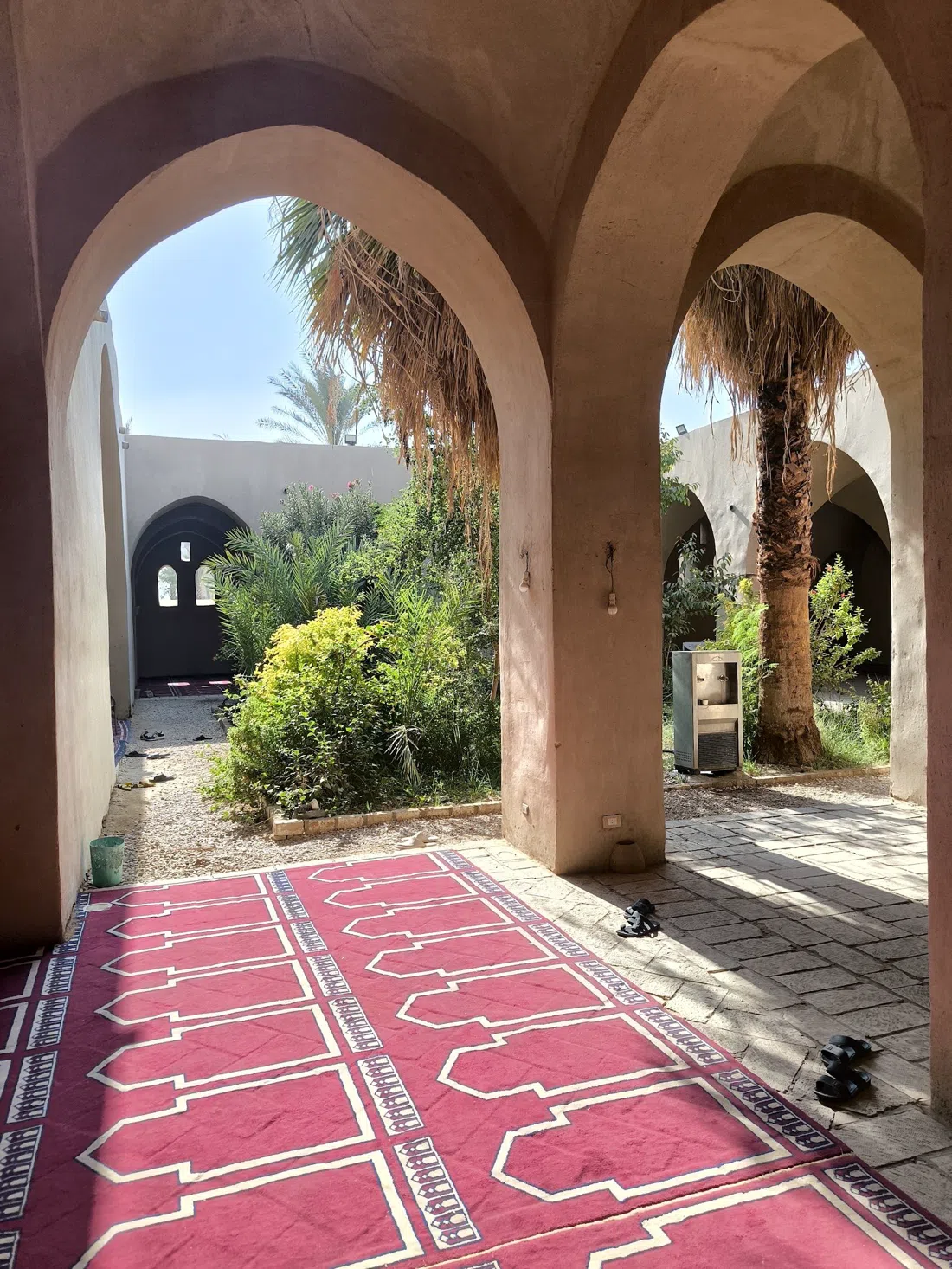
New Gourna Village (New Gourna, about fifteen minutes away) is the detour that gives the west bank a story after the pharaohs. Hassan Fathy's experimental mudbrick village, with its mosque, theatre and khan restored under a UNESCO-backed project completed in 2022. It is free to walk through, but guided visits run through the village's Centre for Sustainable Architecture and need arranging ahead, so do not arrive with a coach and expect access.
Is it worth it
Yes, with one condition: treat it as a stop with a temple attached rather than a photo opportunity. As two statues alone, ten minutes is honestly enough, and anyone who tells you the Colossi are the highlight of the west bank is selling something. With the re-assembled temple behind them open, and with breakfast opposite at six in the morning or a garden lunch ten minutes inland, it becomes a proper hour or two.
It suits early risers, people who like reading a ruin slowly, and anyone off a dawn balloon flight who needs somewhere to land. Families do well here, because there is nothing to break and no stairs. For budget travellers it beats almost any other monument in Luxor, because the headline sight costs nothing. It does not suit anyone who needs shade, a café on site or a lavatory, and it does not suit a large group at midday in summer.
The best time to go
Early. The statues face east, so the first light of the day lands flat on their fronts and the carving on the side panels reads properly; by mid-afternoon you are shooting into the sun and the stone goes flat and grey. The first coaches reach the lay-by shortly after the tomb sites open, so arriving before them buys you a genuinely quiet fifteen minutes, and the temperature difference between 07:00 and 11:00 in an open field with no shade is not a small thing.
Seasonally, October to April is the comfortable half of the year. From May to September the middle of the day on this bank is punishing and any outdoor sightseeing needs to be finished by late morning. Because the Colossi have no gate, they are never shut and never sold out. The demand pressure in Luxor is on guided transport and on the ticketed sites, not on the statues themselves.
One rhythm that works: balloon at dawn, breakfast at 06:30 or 07:00, the Colossi and the temple behind them by 08:00, one ticketed temple after that, and a long lunch inland before the afternoon heat. Late afternoon, come back down to the ferry side for a rooftop and a drink.
Getting there, paying and what a day costs
The public ferry crosses from the east bank to the el-Gezira landing constantly through the day for a few Egyptian pounds; from the landing, taxis and shared minibuses run out along the road past the Colossi. A hired car with a driver for the morning is the more practical option if you are combining the statues with the ticketed sites, because the distances between them are longer than a map suggests and there is little shade at any of them. Cycling is possible and pleasant in winter for anyone reasonably fit; in summer it is a bad idea.
Bring Egyptian pounds, in small notes. The ferry, the minibuses, the sellers at the lay-by and most of the smaller cafés are cash businesses; card acceptance is patchy and the more reliable ATMs are on the east bank. Ali Baba takes cards, and the hotel restaurants will, but do not plan a day around that.
Allow an hour for the Colossi plus the temple behind them, ninety minutes for Medinet Habu if you want to look properly, and thirty for Howard Carter House. Ticketed sites close at 17:00; the free statues do not close at all.
A self-driven day here can be genuinely cheap: nothing at the Colossi, EGP 100-220 for the temple, EGP 220 per ticketed site, and a EGP 90-150 set menu at the end of it. A guided full-day west-bank tour, which runs seven days a week, starts from 89 USD per person and covers the driving and the explanation. Mid-range is a garden lunch at roughly EGP 510-1,300 a head; the top end is a reserved table beyond Medinet Habu at Relais & Châteaux prices.
Staying on the west bank puts you ten minutes from the statues at sunrise and inside the village-restaurant scene described above; staying across the water puts you nearer the nightlife and the ferry. Compare both on our Luxor hotel search, and for how the two banks fit together across a longer trip, start with the Luxor guide.