
Luxor
Luxor operates on a dual frequency, split cleanly by the waters of the Nile.
Guests & rooms
The Luxor guide
An insider’s read on Luxor
LLuxor operates on a dual frequency, split cleanly by the waters of the Nile.
Across the river lies the West Bank, a quiet expanse of green sugarcane fields that abruptly give way to barren limestone cliffs. This is the ancient realm of the dead, where pharaohs of the New Kingdom chose to be buried in deep, hidden rock-cut tombs. The contrast between the two banks defines the city's character: one side is vibrant, noisy, and firmly rooted in the present; the other is silent, rural, and dominated by the monumental architecture of the past.

PLATE ILuxor, Egypt

Guides & ideas
The Luxor reading list
Hand-written guides from our editors — itineraries, the best of after dark, where to eat, and what’s genuinely worth your time.
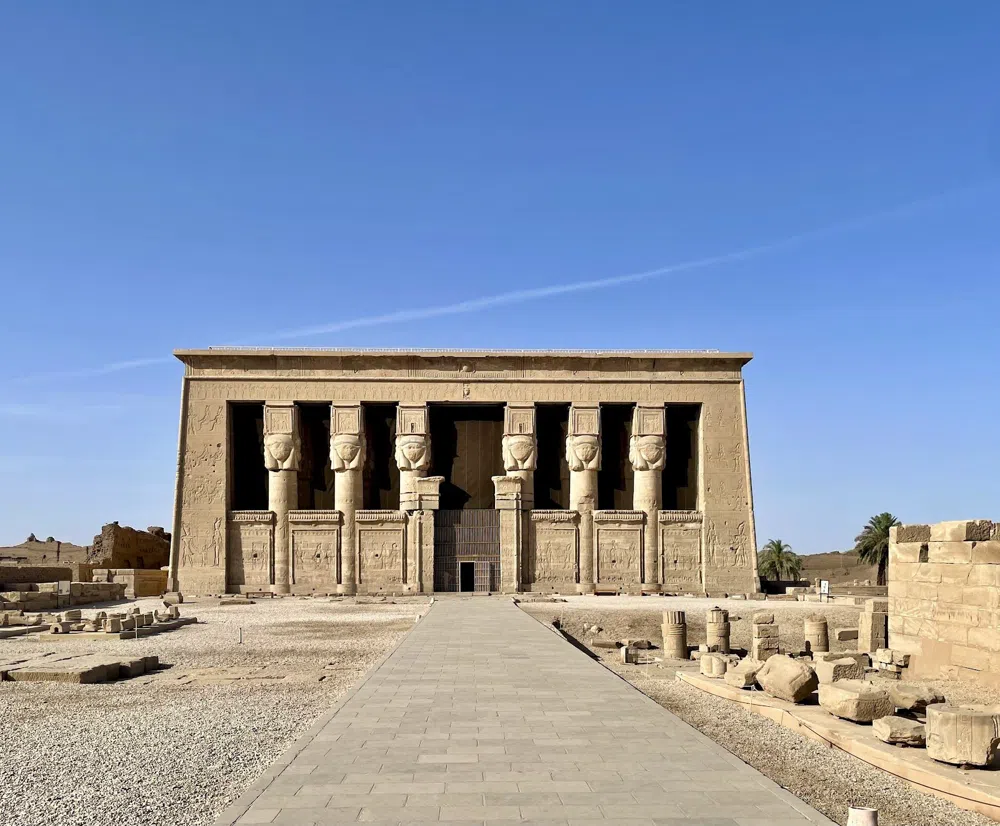
The Long Drive North from Luxor to Dendera and Abydos
Two of the best-preserved temples in Egypt sit within a morning's drive of Luxor, and skipping them is the regret most returning visitors name. Here is how to plan the day properly.
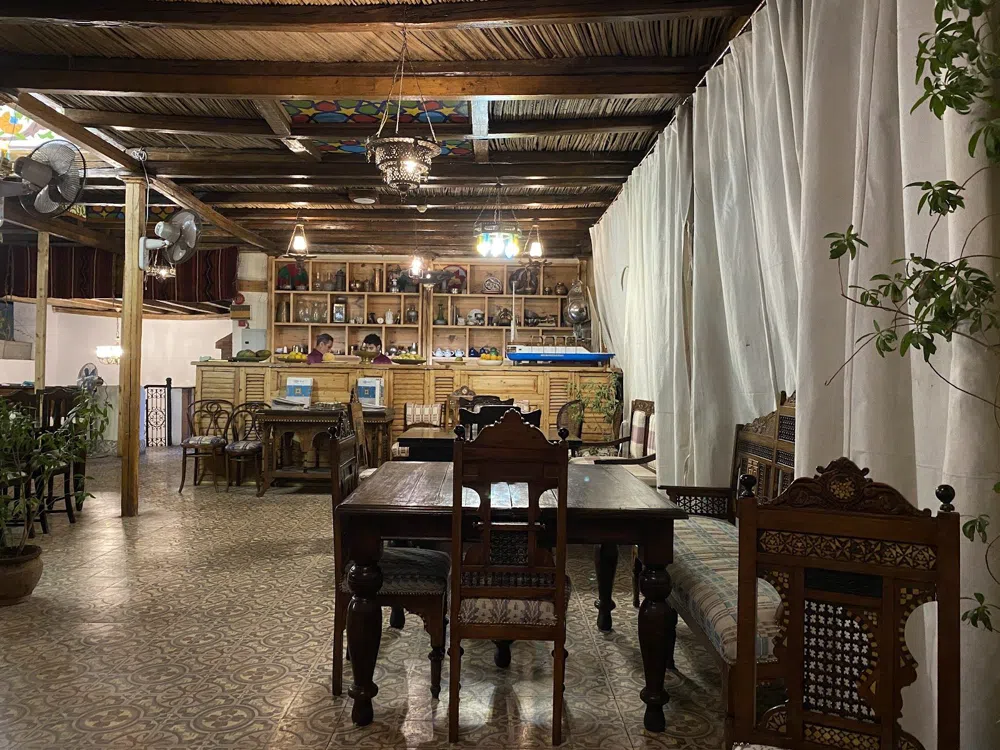
Where to Eat in Luxor After the Temples Close
Fifteen Luxor tables I've eaten at myself, with what they cost, who they suit and which one to pick when you come off the temples covered in dust.
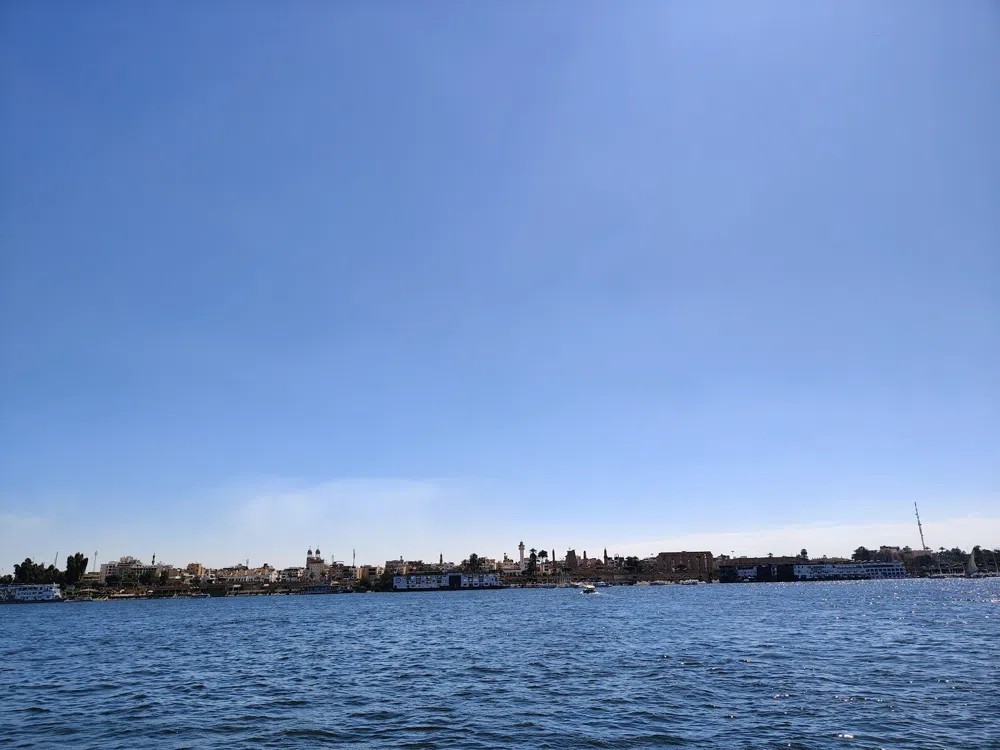
Getting Around Luxor Without Losing Half the Day
What the ferry, the tuk-tuk, a hired car and the sleeper train actually cost, so your Luxor mornings go on the tombs instead of haggling on the ramp.
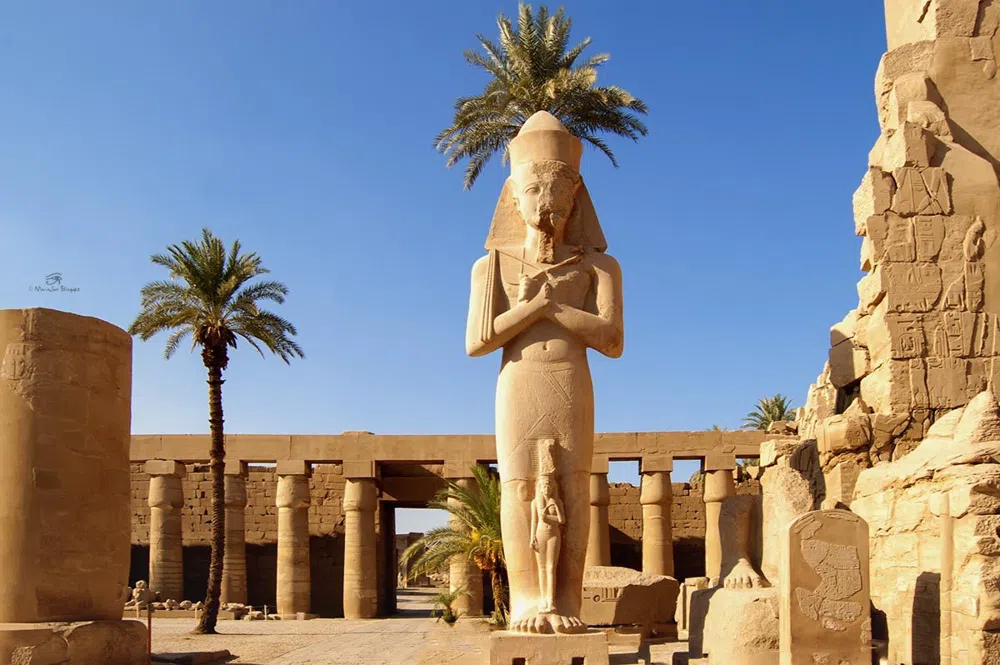
Two Days in Luxor at a Pace That Won't Wreck You
A realistic two-day plan for Luxor that works around the heat, with honest ticket prices, one early start instead of three, and the stops worth dropping.
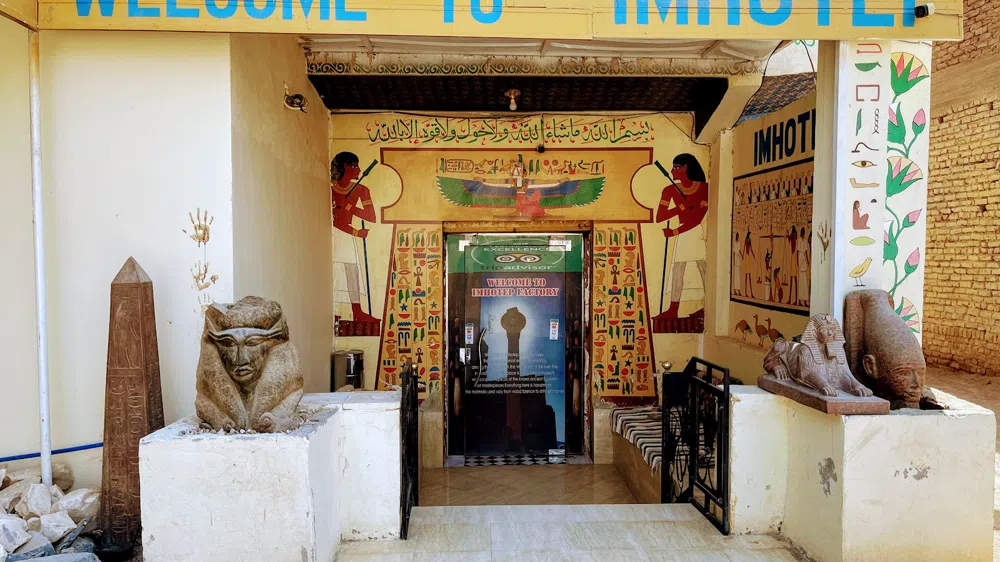
The Alabaster Workshops: Luxor's Stone-Carving Tradition from Pharaohs to Souvenir Stalls
A working guide to Luxor's West Bank alabaster workshops — where the carving is real, how to tell genuine stone from resin, and which family ateliers still teach the 3,000-year-old craft honestly.
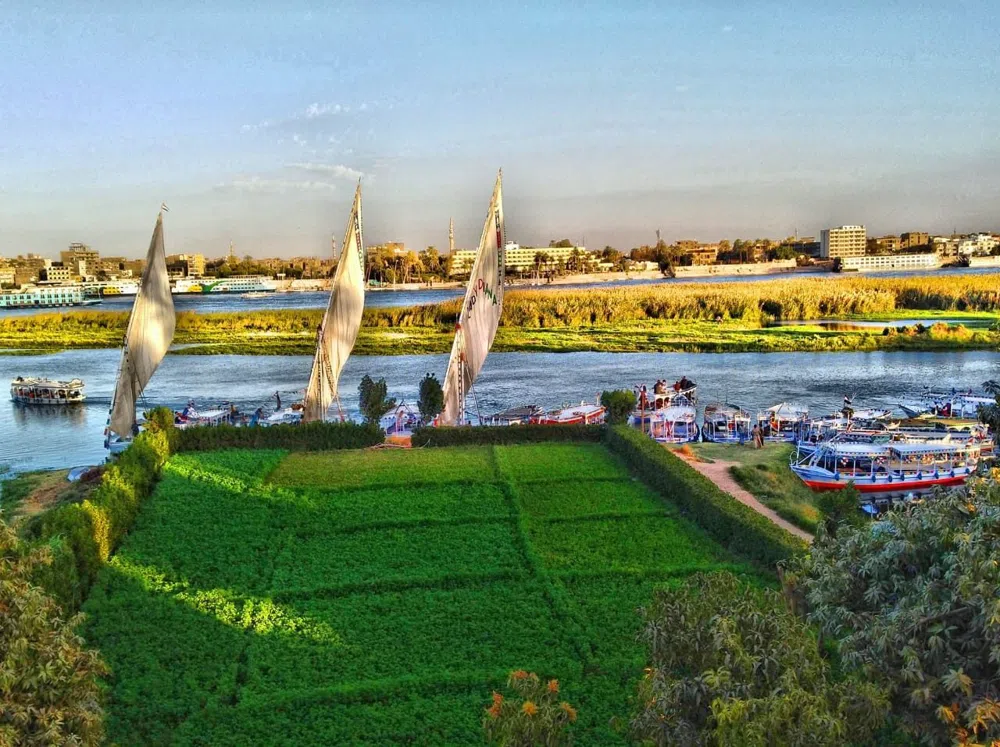
The Nile Felucca at Golden Hour: Luxor's Quietest Afternoon Ritual
A practical, honest guide to Luxor's sunset felucca sail — which captain to book, how the Banana Island stop actually works, and why the boat with no engine is still the best hour on the river.
Where to base yourself
The neighborhoods
01
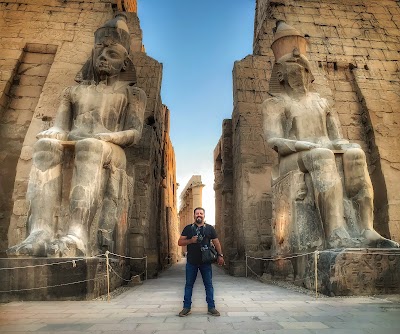
East Bank - Downtown
For Travelers who want to be close to the train station, local dining, and the illuminated Luxor Temple at night. The trade-off is constant street hassle from vendors and drivers.
The dense, commercial heart of the city, filled with local markets, souvenir shops, and budget eateries.
Where to stay — Budget hotels and mid-range guesthouses located near the railway station or along Sharia el-Televizyon.
02
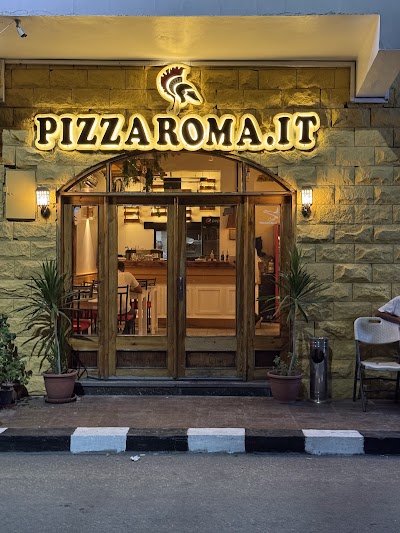
East Bank - El-Awamya
For Visitors seeking comfortable international hotels, western-style restaurants, and a slightly lower volume of street noise. It lacks a gritty, authentic local feel.
A more relaxed, resort-heavy district stretching south along the Nile, centered around Khaled Ibn El-Waleed Street.
Where to stay — Large, multi-starred resort properties with pool complexes overlooking the Nile.
03
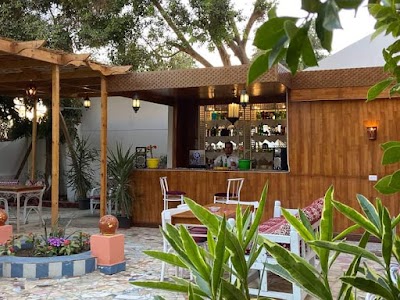
West Bank - Al-Gezira
For Independent travelers who prefer a quiet, village atmosphere and easy access to the West Bank monuments. The trade-off is that you must take a boat to reach the East Bank's train station and museums.
A laid-back waterfront village with a distinct rural charm, populated by a mix of local farmers, boatmen, and long-term expats.
Where to stay — Family-run boutique hotels, self-catering apartments, and traditional guesthouses.
04
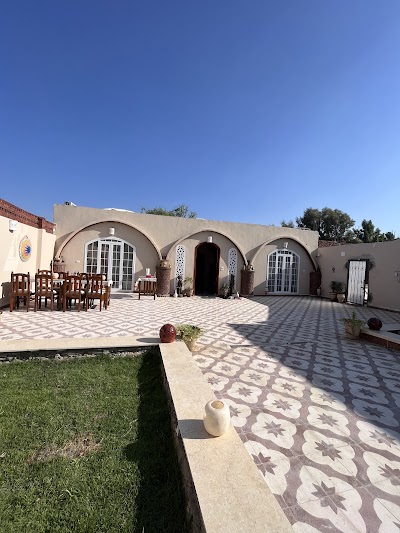
West Bank - Ramlah
For Slow travelers and budget-conscious visitors looking for absolute peace. It is very dark at night and has limited dining options within walking distance.
A quiet residential area adjacent to Al-Gezira, bordered by dusty lanes and agricultural fields.
Where to stay — Budget-friendly guesthouses and private villa rentals.
05
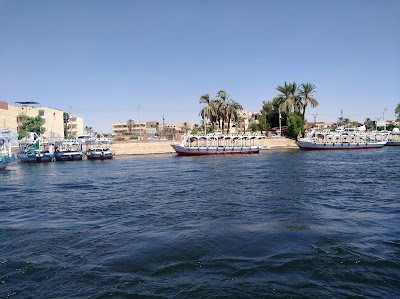
West Bank - El-Bairat
For Those wanting an immersive look at rural Egyptian life. It is isolated, meaning you will rely heavily on pre-arranged transport to get anywhere.
A traditional agricultural community dominated by mudbrick houses, canals, and farming plots.
Where to stay — Eco-lodges and traditional dome-architecture retreats.
06
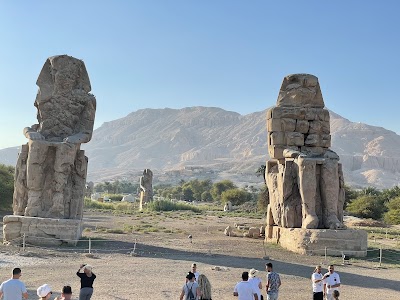
West Bank - Gurna (Qurna)
For Archaeology purists who want to wake up as close to the Valley of the Kings as possible. It is hot, dusty, and far from the river breeze.
A dry, dramatic area situated directly in the foothills of the Theban mountains, close to the ancient tombs.
Where to stay — Historic, rustic hotels favored by visiting archaeologists.
Book direct
Book a hotel in Luxor
Loading live availability and real-time prices…
Where to eat
Dining
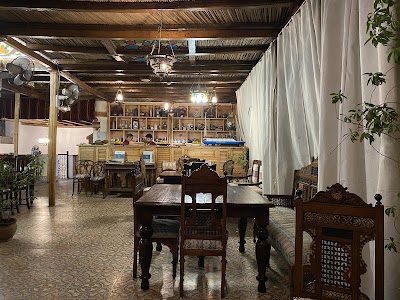
Sofra
€€East Bank - Downtown
Set in a beautifully preserved 1920s house filled with Egyptian antiques, it offers the most atmospheric traditional dining experience in the city.
Signature — Hamam Mahshi (pigeon stuffed with spiced freekeh)
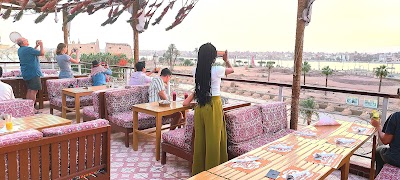
Al-Sahaby Lane
€€East Bank - Downtown
Located on a rooftop directly overlooking the Avenue of Sphinxes, providing excellent views alongside reliable local classics.
Signature — Camel meat tagine with onions and spices
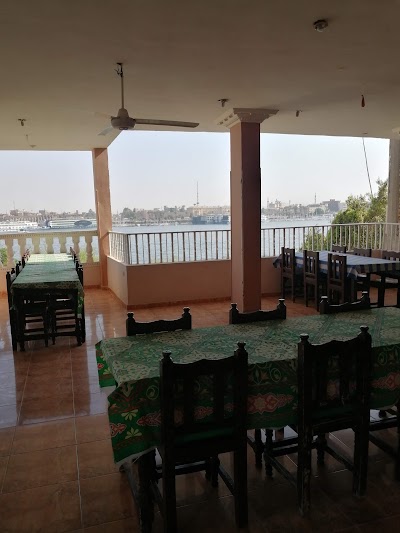
Tutankhamon Restaurant
€West Bank - Al-Gezira
A rooftop spot right by the ferry dock, known for its welcoming service and home-style Nubian and Egyptian cooking.
Signature — Clay-pot beef tagine with okra
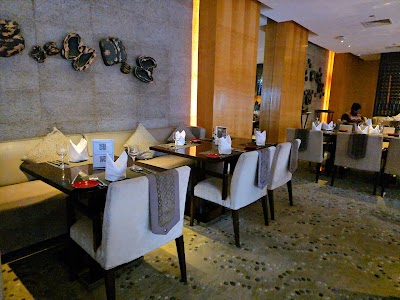
Silk Road
€€€East Bank - Karnak District
Situated inside the Hilton Luxor, this sleek restaurant offers a highly polished pan-Asian menu that makes a welcome break from local fare.
Signature — Tandoori-spiced lamb chops
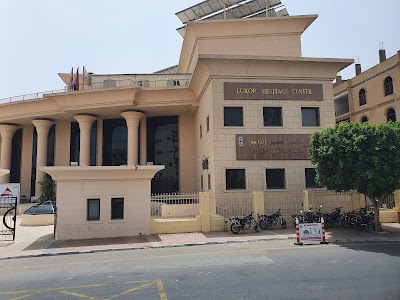
The Library
€€€€East Bank - El-Awamya
Another elegant Winter Palace venue, offering a quiet, sophisticated atmosphere surrounded by dark wood bookshelves and historic volumes.
Signature — Slow-roasted duck breast with orange glaze
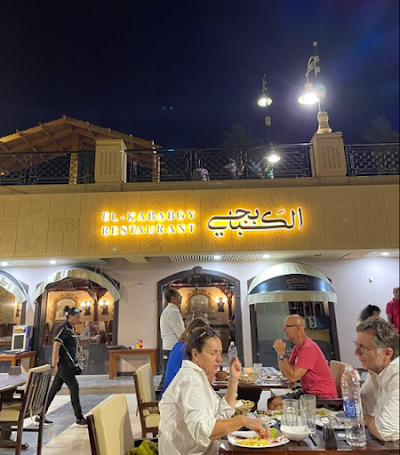
El Kababgy
€€€East Bank - El-Awamya
Located at the Sonesta St. George Hotel, this restaurant serves premium grilled meats right on the edge of the Nile with live oriental music.
Signature — Mixed grill platter of kofta, kebab, and lamb chops
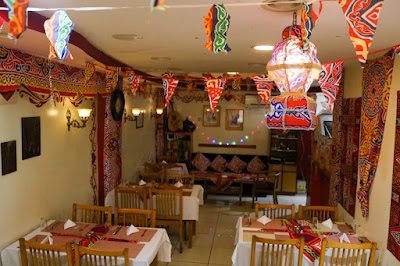
Gerda's Garden
€€East Bank - El-Awamya
A casual, European-run garden restaurant that blends hearty German dishes with excellent Egyptian charcoal grills.
Signature — Sizzling beef fillet on a hot stone
Kebabgy El-Rahman
€East Bank - Downtown
A no-frills, highly popular local joint where the meat is grilled fresh on the street-side charcoal barbecue.
Signature — Spiced minced beef kofta skewers
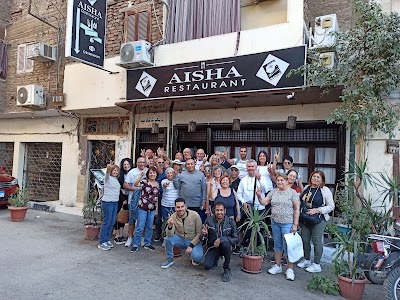
Aisha Restaurant
€West Bank - Al-Gezira
A highly rated family-run spot on the West Bank that excels in fresh, made-to-order vegetarian mezze and stews.
Signature — Freshly fried herby falafel with tahini and baba ganoush
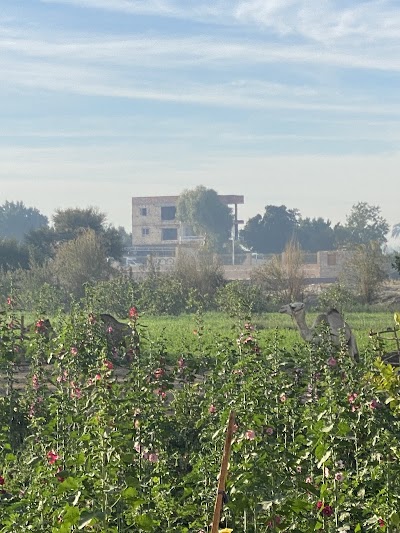
Marsam Restaurant
€€West Bank - Gurna
Set in the courtyard of a historic hotel, serving organic vegetables sourced directly from nearby West Bank farms.
Signature — Slow-baked vegetable moussaka
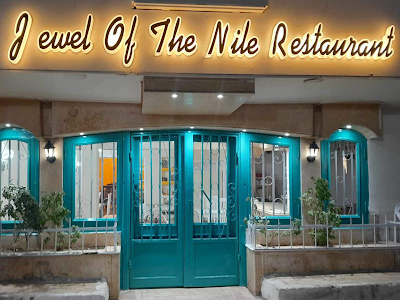
Jewel of the Nile
€West Bank - Al-Gezira
A cozy, colorful restaurant offering a wide selection of clean, vegetable-forward dishes prepared with minimal oil.
Signature — Lentil soup served with toasted local sun bread
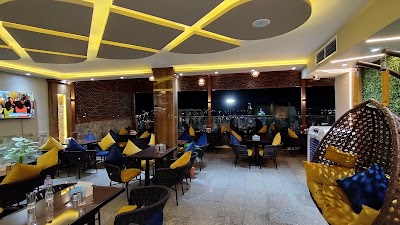
Aboudi Bistro
€East Bank - Downtown
Positioned directly opposite the entrance to Luxor Temple, this second-floor cafe offers air conditioning, clean facilities, and cheap local bites.
Signature — Classic Egyptian lentil soup
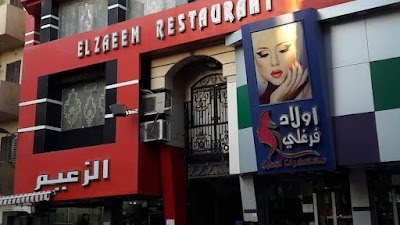
El-Zaeem
€East Bank - Downtown
A dedicated koshary joint popular with locals, offering fast service and consistently fresh ingredients.
Signature — Koshary (pasta, rice, lentils, and chickpeas topped with spicy tomato sauce and crispy onions)
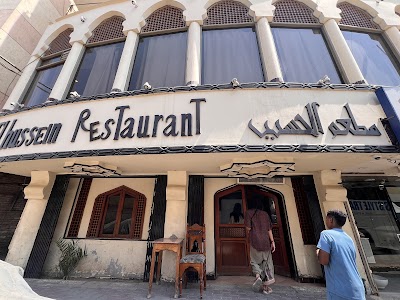
El-Hussain
€East Bank - Downtown
A simple street-side eatery near the souq serving cheap, freshly prepared shawarma wraps and grilled chicken.
Signature — Chicken shawarma in freshly baked baladi bread
After dark
Nightlife
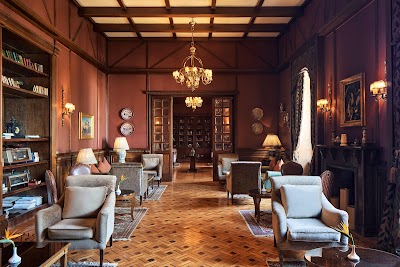
The Royal Bar
East Bank - El-Awamya
Located inside the Sofitel Winter Palace, this opulent lounge features plush red leather, dark wood paneling, and a quiet, old-world atmosphere.
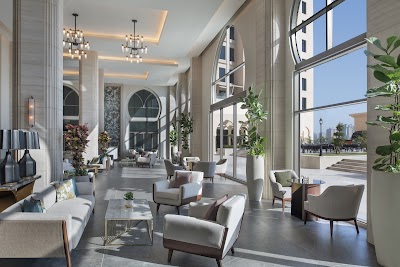
Sarab Lounge
East Bank - Karnak District
An outdoor terrace at the Hilton Luxor offering stylish seating, creative cocktails, and prime sunset views over the Nile.

Carter's Bar
West Bank - Al-Gezira
A rare West Bank spot that serves cold beer and wine in a comfortable, pub-like setting popular with resident expats.
Art & history
Culture
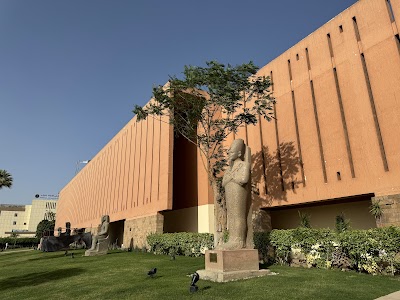
Luxor Museum
East Bank - Downtown
Widely regarded as one of the best-displayed museums in Egypt, featuring masterfully lit statues, mummies of Ahmose I and Ramesses I, and artifacts from the Theban tombs.
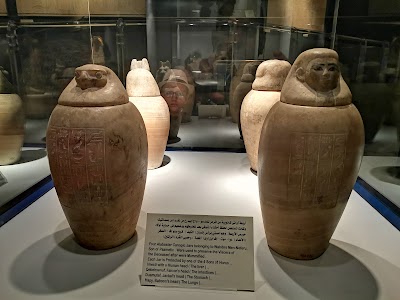
Mummification Museum
East Bank - Downtown
A small, highly focused museum detailing the precise tools, organic materials, and techniques used by ancient embalmers on both humans and animals.
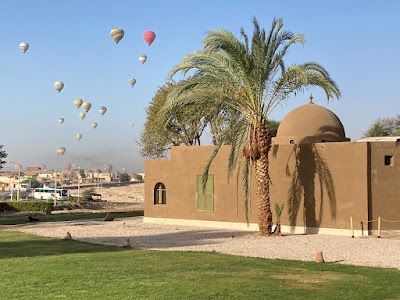
Carter's House
West Bank - Gurna
The domed mudbrick residence where Howard Carter lived during his search for Tutankhamun's tomb, preserved with his original furniture, tools, and photographic darkroom.
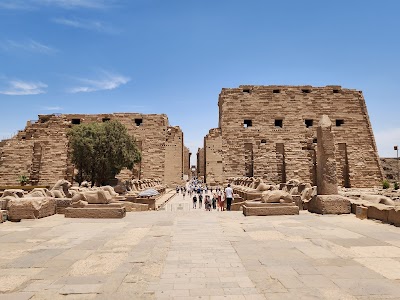
Karnak Temple
East Bank - Karnak District
The largest religious complex ever built, highlighted by the Great Hypostyle Hall containing 134 massive sandstone columns.
Valley of the Kings
West Bank - Gurna
The burial site of Egypt's New Kingdom pharaohs, where deep rock-cut tombs feature incredibly vibrant, original painted reliefs.
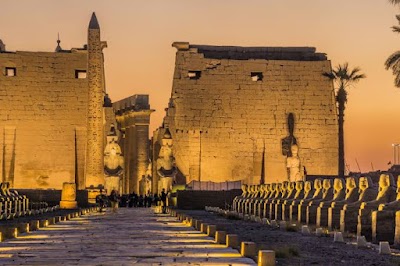
Luxor Temple
East Bank - Downtown
Located right in the center of town, this temple is uniquely atmospheric when visited at night, when the colossal statues of Ramesses II are dramatically lit.
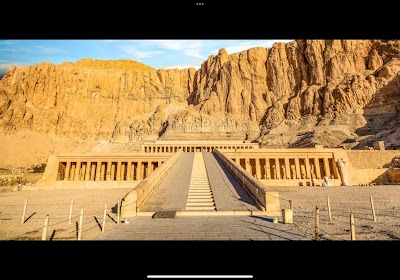
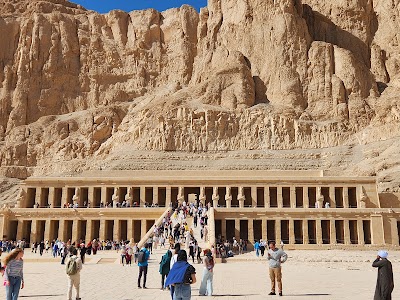
Temple of Hatshepsut
West Bank - Gurna
A stunning, three-tiered terraced temple built directly into the towering limestone cliffs of Deir el-Bahari.
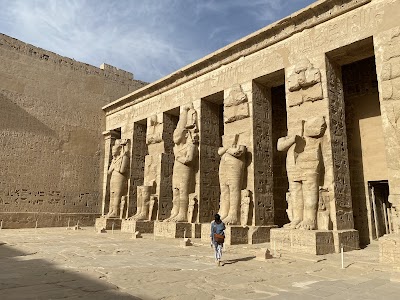
Medinet Habu
West Bank - Gurna
The mortuary temple of Ramesses III, famous for its exceptionally deep wall reliefs and remarkably preserved ceiling paint.
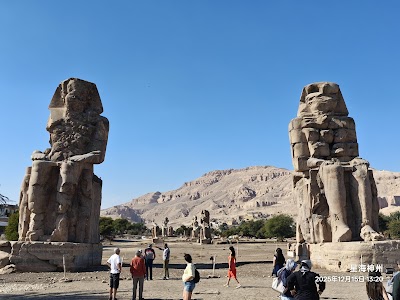
Colossi of Memnon
West Bank - Gurna
Two massive stone statues of Pharaoh Amenhotep III that have stood in the agricultural fields of the West Bank for over 3,400 years.
Book ahead
Top-rated experiences in Luxor

Full Day Private Luxor East & West Bank Tour With Egyptian Lunch
from $200

Private Luxor Airport Transfer: Arrival or Departure
from $7

Private tour Full-Day Luxor Highlights East and West Banks
from $15

Karnak And Luxor Temples Private Tour
from $61

Luxor Half day Valley Of The King and Hatshepsut and Memnon
from $15

All-Inclusive Full Day To Explore Luxor's East & West Bank
from $89

5 Day Nile Cruise from Luxor to Aswan
from $820

Private Luxor Tour to Valley of Kings, Hatshepsut and Memnon
from $75
Prices from Viator; we may earn a commission when you book — at no extra cost to you. Tours are sold and operated by Viator, the merchant of record. Ratings are collected by Viator and Tripadvisor.
Timing
When to visit
Winter
From November to February, daytime temperatures hover comfortably in the mid-20s Celsius. This is peak season, meaning maximum crowds at major archaeological sites and premium pricing for accommodations.
Spring and Autumn
March, April, October, and November offer a strategic compromise. The weather is warm but manageable, and the heavy tour groups are less dense, allowing for quieter temple visits.
Summer
From June to August, temperatures regularly exceed 40 degrees Celsius by midday. While hotel rates drop significantly and the tombs are empty, outdoor sightseeing is only feasible in the very early morning.
What it costs
Budgeting
Logistics
Getting around
From the airport
Luxor International Airport sits about 6 kilometers east of the city. There is no reliable public transit link; travelers must negotiate a fare with the airport taxi drivers before departing, or arrange a private transfer through their hotel to avoid aggressive airport touts.
Public transit
The most practical transit is the public ferry (baladiya), which crosses between the East and West Banks for a nominal fee. Blue local microbuses run set routes along the main streets of the East Bank, but they require local knowledge to navigate.
Passes & tickets
The Luxor Pass is highly recommended for serious archaeology enthusiasts. Available in Standard and Premium versions (the latter includes the highly restricted tombs of Nefertari and Seti I), it grants unlimited access to all sites for five days and is purchased in cash (USD or EUR) at the Karnak or Valley of the Kings ticket offices.
On foot
The East Bank corniche and downtown areas are highly walkable, though pedestrians must tolerate persistent offers from taxi and horse-carriage drivers. The West Bank is too spread out for walking; visitors need to rent bicycles, hire a driver, or use local taxis to move between the scattered monuments.
Travel smart
Safety & etiquette
Local etiquette
- •Dress modestly: both men and women should keep shoulders and knees covered when outside of resort pools.
- •Tipping (baksheesh) is deeply embedded in the culture; carry small bills to tip temple guardians, drivers, and bathroom attendants.
- •Always ask permission before taking photos of local people, especially in rural areas.
From the ground
Practical tips
1
Buy your temple tickets online or at the official ticket booths; do not buy from individuals on the street.
2
Bring a high-powered flashlight to the tombs to illuminate details in the darker corners of the chambers.
3
Start your sightseeing at 6:00 AM to avoid the intense midday heat and the large tour groups arriving from Red Sea resorts.
4
Carry plenty of cash, as many smaller ticket offices and local restaurants do not accept credit cards.
5
Wear sturdy, closed-toe walking shoes for the dusty, uneven paths around the temples and tombs.
6
Download an offline map of the city, as mobile signals can be weak inside the deep rock-cut tombs of the West Bank.
Luxor FAQs
How many days do I need in Luxor?
At least three full days are required to see the major sites on both the East and West Banks without rushing.
Is the tap water safe to drink?
No, the tap water is not safe for drinking. Use bottled or filtered water for drinking and brushing teeth.
How do I cross the river between the East and West Banks?
The public ferry runs continuously and costs pennies, while private motorboats can be hired at any dock for a slightly higher negotiated fee.
Do I need to hire a guide for the temples?
While not strictly necessary, hiring a licensed Egyptologist will greatly enrich your visit by explaining the complex hieroglyphs and history.
Is Luxor safe for solo female travelers?
Yes, it is generally safe, but solo women should expect frequent verbal attention and stares. Dressing conservatively and hiring a local guide can significantly reduce this hassle.