The Luxor issue
How to See Luxor Without Hiring a Guide
Ferry fares, tomb supplements and 2026 gate prices for running Luxor's East and West Banks on your own clock, plus the two places where a guide actually earns the money.

By Hanne VermeerReading Luxor the way it was built
The public ferry across the Nile costs less than a bottle of water and takes ten minutes, and nobody on the far bank is waiting to tell you what to think about a wall. Luxor is the most heavily guided city in Egypt and also the one that needs a guide least. The ticket windows are plain, the monuments are gated and signposted, and inside the royal tombs, where the paint is, guiding is banned outright. What follows is how to run the whole thing yourself at 2026 prices, without a driver you did not choose or a commentary you did not ask for.
What a guide actually buys you here
A licensed Egyptologist earns the fee in two situations: when you want reliefs read to you line by line as you stand in front of them, and when you would rather someone else handled the taxi negotiation, the ticket windows and the West Bank's scattered geography. Both are real conveniences. Neither is a requirement, and neither is what most first-time visitors think they are paying for.
What people usually imagine they are buying is access: the sense that a guide gets you in, gets you to the right tomb, knows which ticket covers what. In Luxor that is a signage problem, and the signage is adequate. Tickets are sold at the gate of each site, in Egyptian pounds, at posted prices. Card payment has become the norm at the major gates in 2026, though the smaller West Bank ticket huts still run on notes. Nothing is reserved in advance, nothing sells out except one tomb (more on that below), and no monument in the city requires a guide to enter.
The one genuine catch is the heat and the distances, and those are solved with a driver, not a guide, which is a different job at a different price.
Plan your Luxor trip
Live prices from our booking partners.
Free cancellation on many rooms. We may earn a commission when you book.
Karnak first, and early
Karnak Temple Complex, at the northern end of the corniche a couple of kilometres up from the centre, is the one Luxor site big enough that you cannot exhaust it. Entry runs around EGP 600 for an adult in 2026, with the Sound and Light show priced separately in the evening. Two hours is the minimum that makes sense; half a day is not excessive.
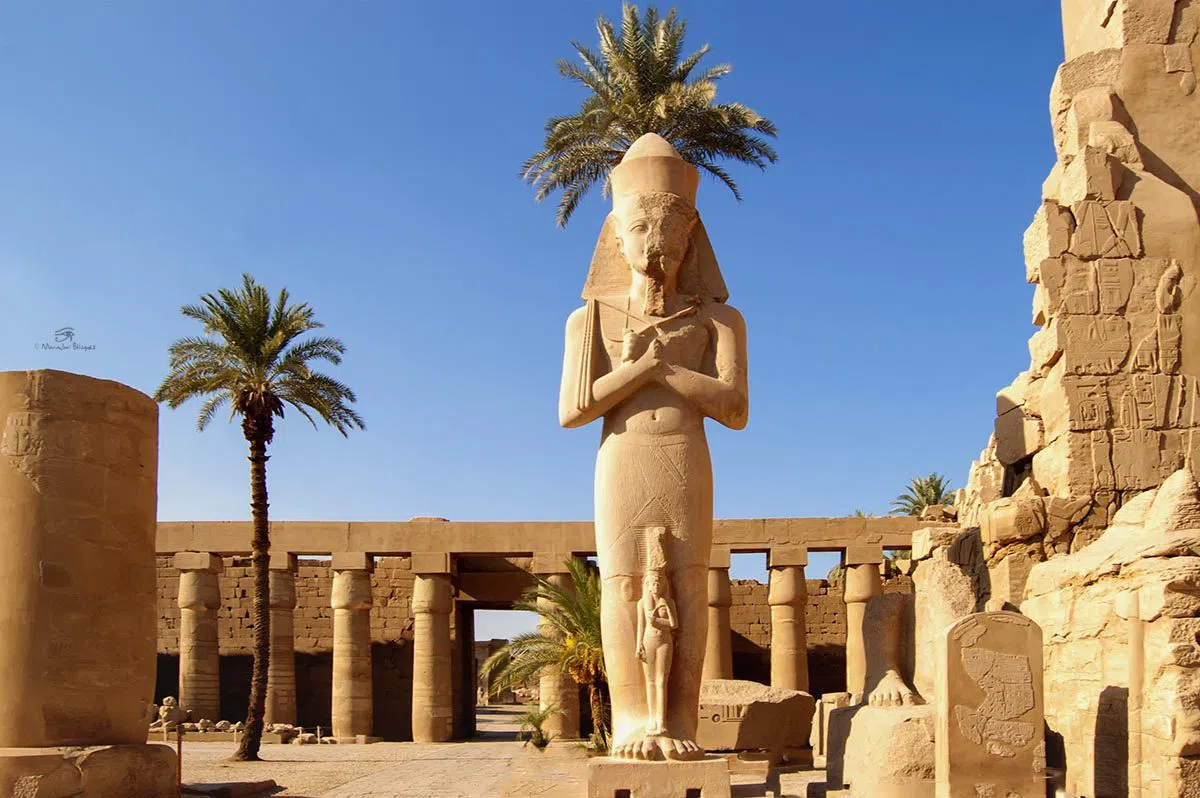
Coaches unload at the quay-side entrance, so groups are simply part of the scenery here. The trick is not avoiding them but out-walking them. Go in behind a party, then turn left into the Open Air Museum area and let the column of raised umbrellas carry on down the processional axis without you. Better still, be at the gate for the 06:00 opening, which buys you the hypostyle hall almost to yourself: 134 columns and, for perhaps half an hour, nobody talking in three languages at once. A guide adds context at Karnak. Nothing here is locked behind one.
Luxor Temple after dark, and the walk between
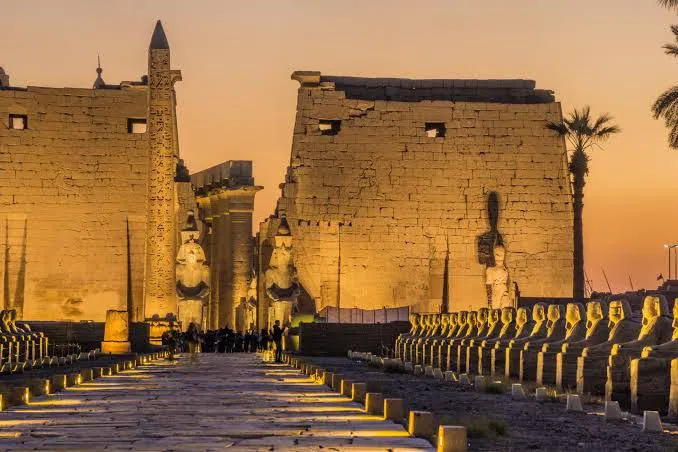
Luxor Temple is in the middle of town, directly on the corniche, and costs about EGP 500. It stays open into the evening, which makes it the practical answer to the Luxor heat problem: do it after dark, when the corniche has cooled and the floodlighting does half the interpretive work for you. The entrance ramp bottlenecks around dusk as everyone arrives at once, so aim for either side of that.
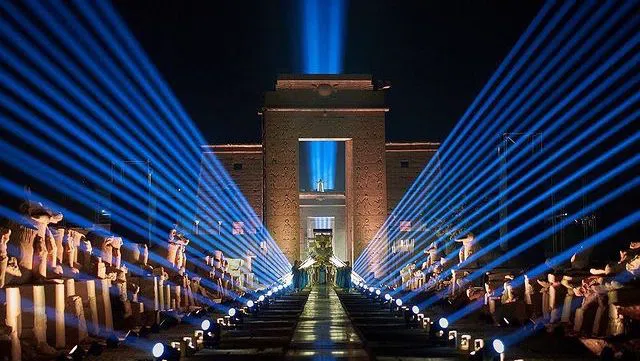
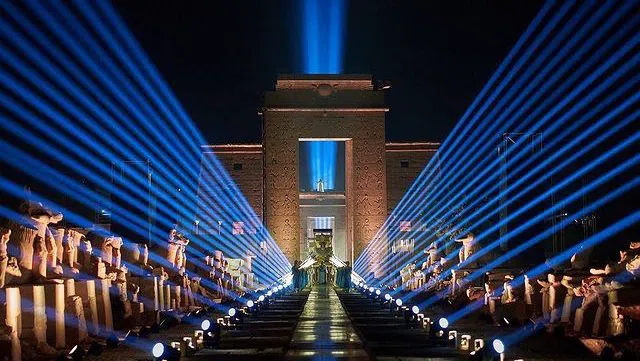
The Avenue of Sphinxes (Rams Road) links the two temples along nearly three kilometres of excavated processional way, and it costs nothing extra: access is from either temple on a same-day ticket, and there is no standalone ticket. Reopened in 2021 after decades of excavation, it is the single best argument that Luxor works on foot. It also has no shade and no water for its full length, so walk it early or after sunset and treat the middle of the day as off-limits.
The museum that does a guide's job
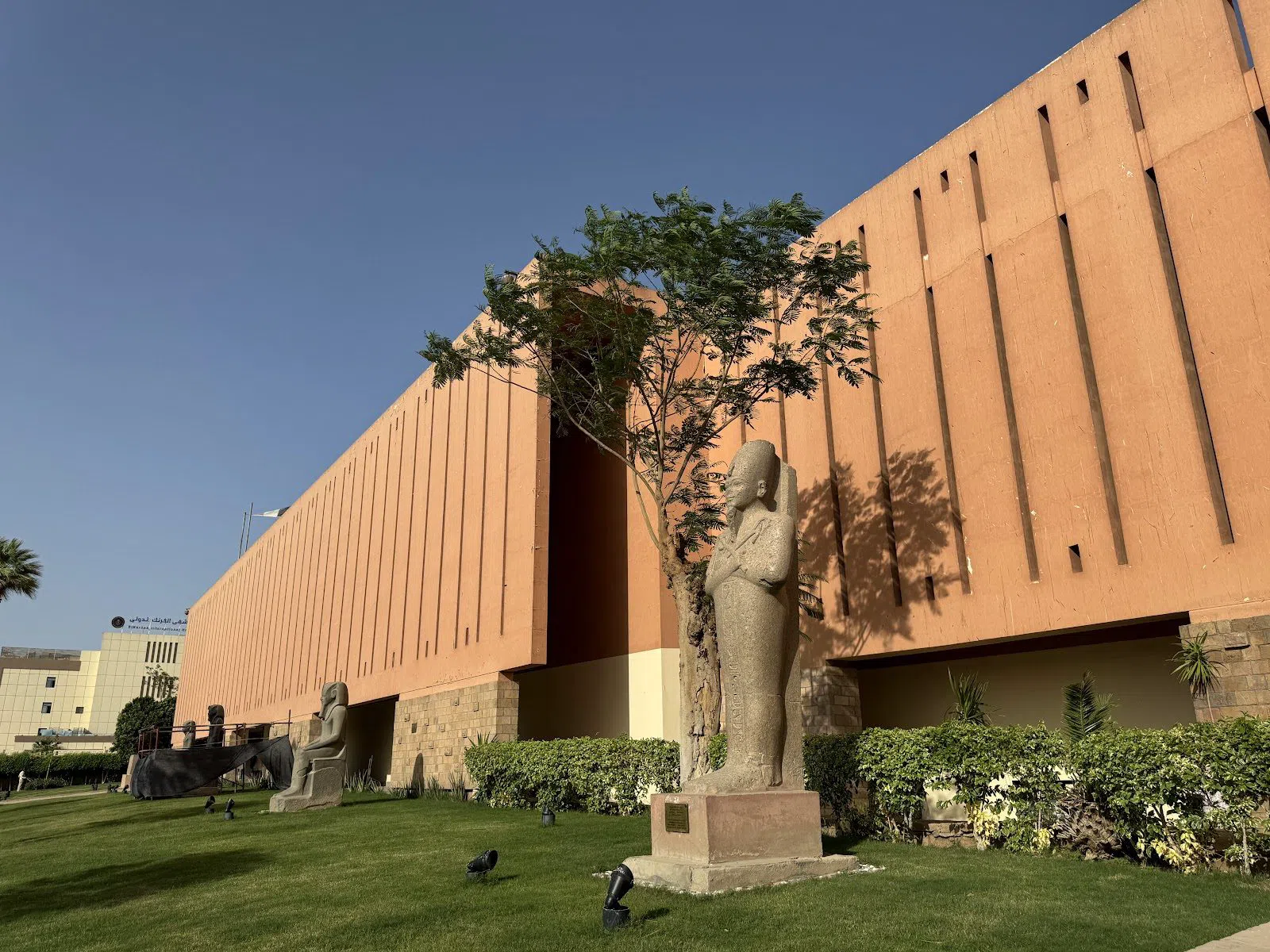
Luxor Museum, on the corniche between the two temples, costs around EGP 400 and is the most underrated ticket in the city. It is small, ruthlessly edited, air-conditioned and open again in the evening when the archaeological sites have shut, and it is the best place in Egypt to understand what you have been looking at in the tombs: the objects are given room and the labelling is honest.
Capacity is modest, so a large coach party clogs the ramp between floors; if one is unloading, walk ten minutes and come back. Do the museum on your first evening rather than your last. It functions as the guide you did not hire, and it works far better before the tombs than after them.
Dinner that does not turn into a negotiation
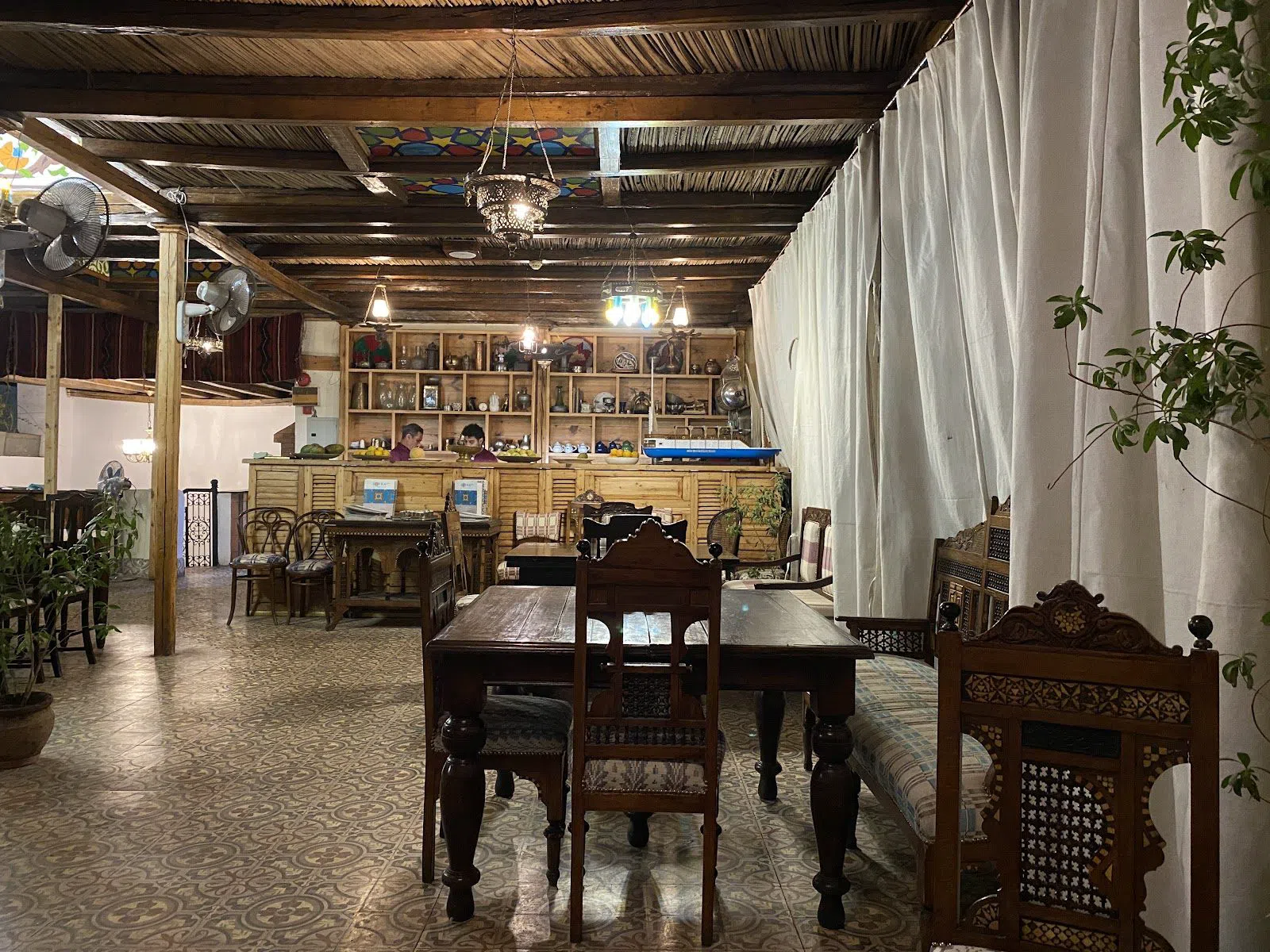
Sofra Restaurant & Café, in the East Bank backstreets a few minutes inland from the corniche, is the reliable non-hassle dinner: no touts on the door, no menu games, and a roof terrace that is where an independent day in the heat properly ends. Budget roughly EGP 350 to 700 a head for mezze plus a main. It takes groups readily and does set mezze spreads for tables of eight or more, it is worth booking ahead in winter, and it has run cash-only, so do not turn up carrying only a card.
Crossing the river yourself
The whole independence argument fits into one boat. The Luxor Public Ferry, the National Ferry, leaves from the landing beside Luxor Museum and costs EGP 5 to 25 per person each way depending on the boat and the day, with locals paying less. There is no booking and no policy: you walk on, and a group of any size simply pays at the kiosk. Carry small notes.
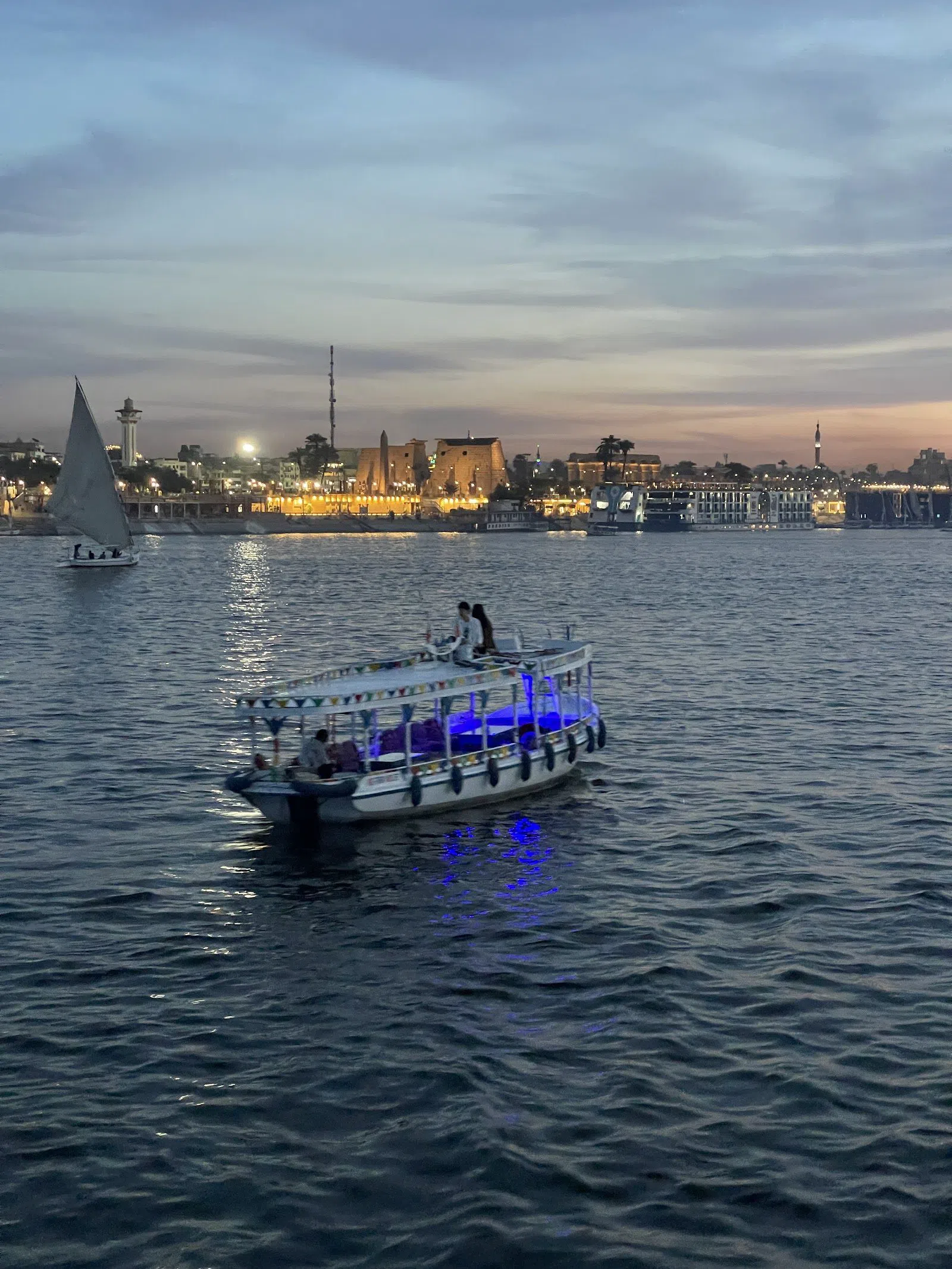
Ten minutes later you are on the West Bank without a tour, a bridge detour or a driver. Taxis and pickups wait at the landing. Agree the price for the whole morning before you get in, name every site on your list, and be explicit that waiting time is included. That conversation, not the sightseeing, is the only part of an independent Luxor day that takes nerve. A driver hired this way costs a fraction of a guided tour and leaves you in charge of the clock.
The Valley of the Kings rewards going alone
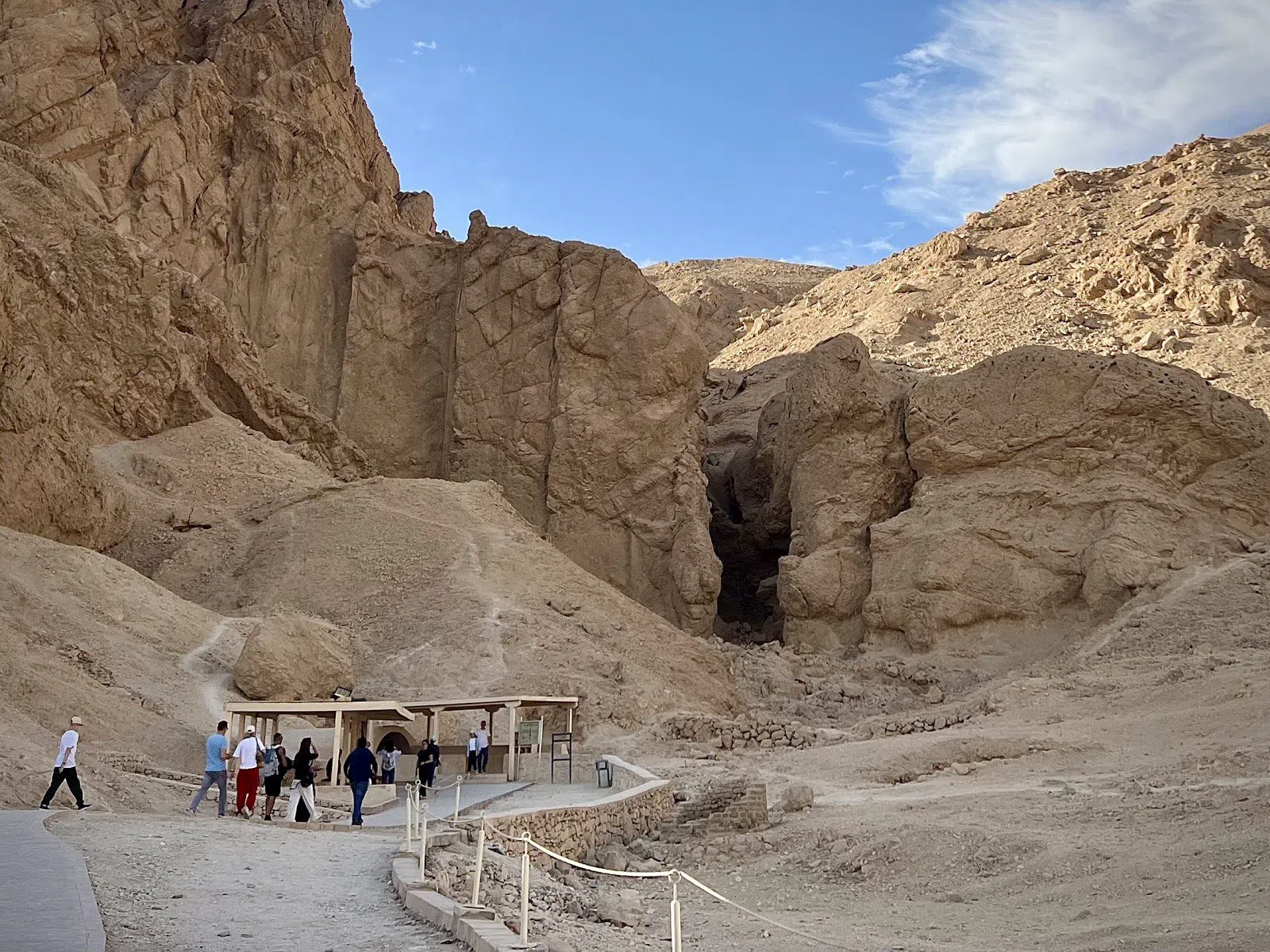
Valley of the Kings, in the dry bowl behind the Theban hills, is the strongest argument in the city for doing without a guide: guides are barred from talking inside the tombs. Parties break up at the doors regardless, so joining one buys you a queue and nothing else. Standard entry is around EGP 750 including three tombs, with a tram of about EGP 20 return from the visitor centre up to the tomb entrances.
Supplements are where the money goes. Tutankhamun is roughly EGP 700, Seti I roughly EGP 2,000, Ramesses V/VI roughly EGP 220. If you are choosing one, take Ramesses V/VI: deep, comparatively cool, decorated across its full ceiling with the astronomical texts, and a tenth of the price of the famous one. Arrive by 08:00. By ten the valley is a heat trap with a line at every door.
Hatshepsut at first light
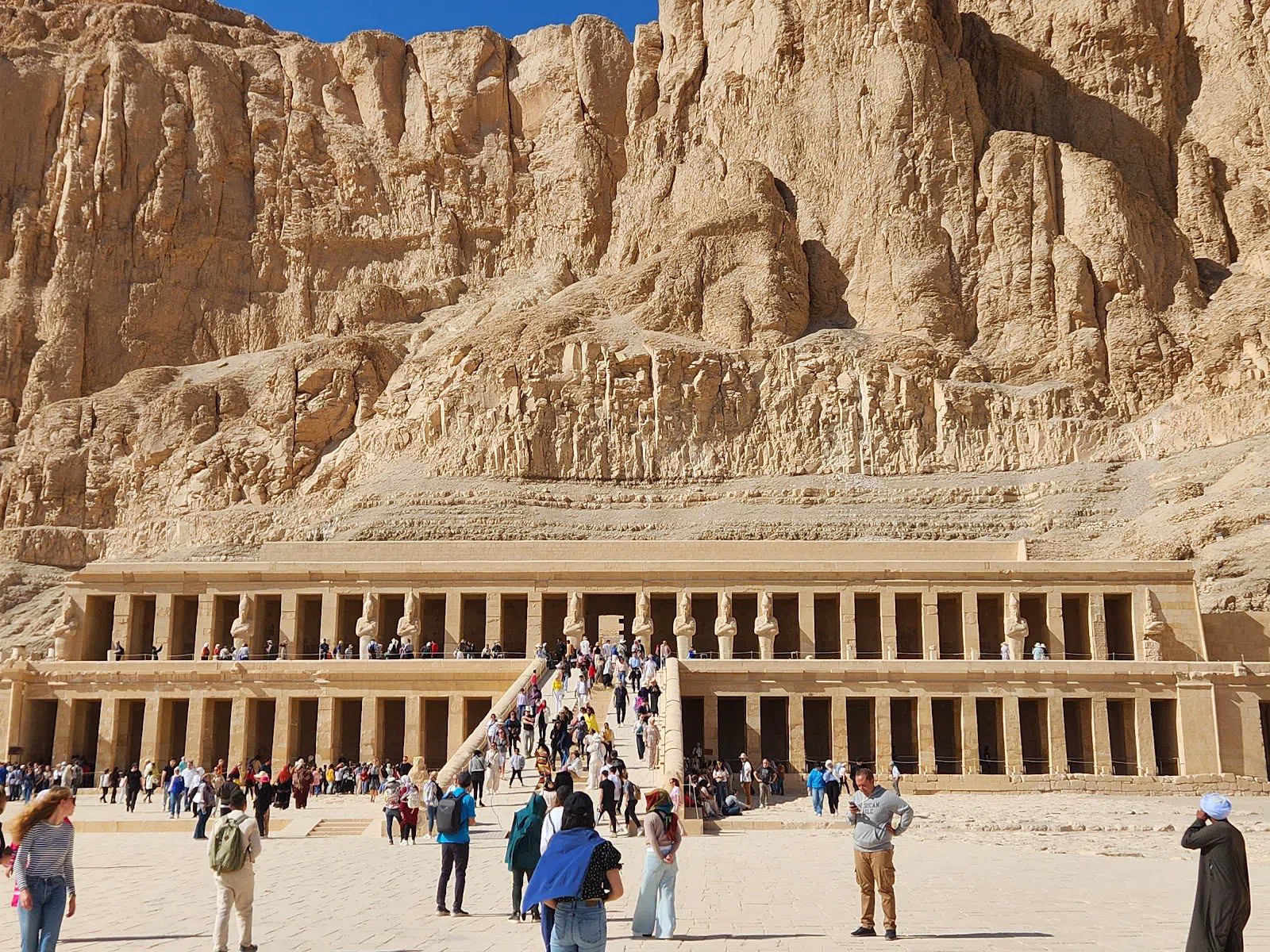
Temple of Hatshepsut (Deir el-Bahari) is built into the cliff a short drive north, costs around EGP 440, and has a free shuttle tram from the car park to the base of the ramps. It is a site built for volume, and groups monopolise both the tram and the terraces through mid-morning.
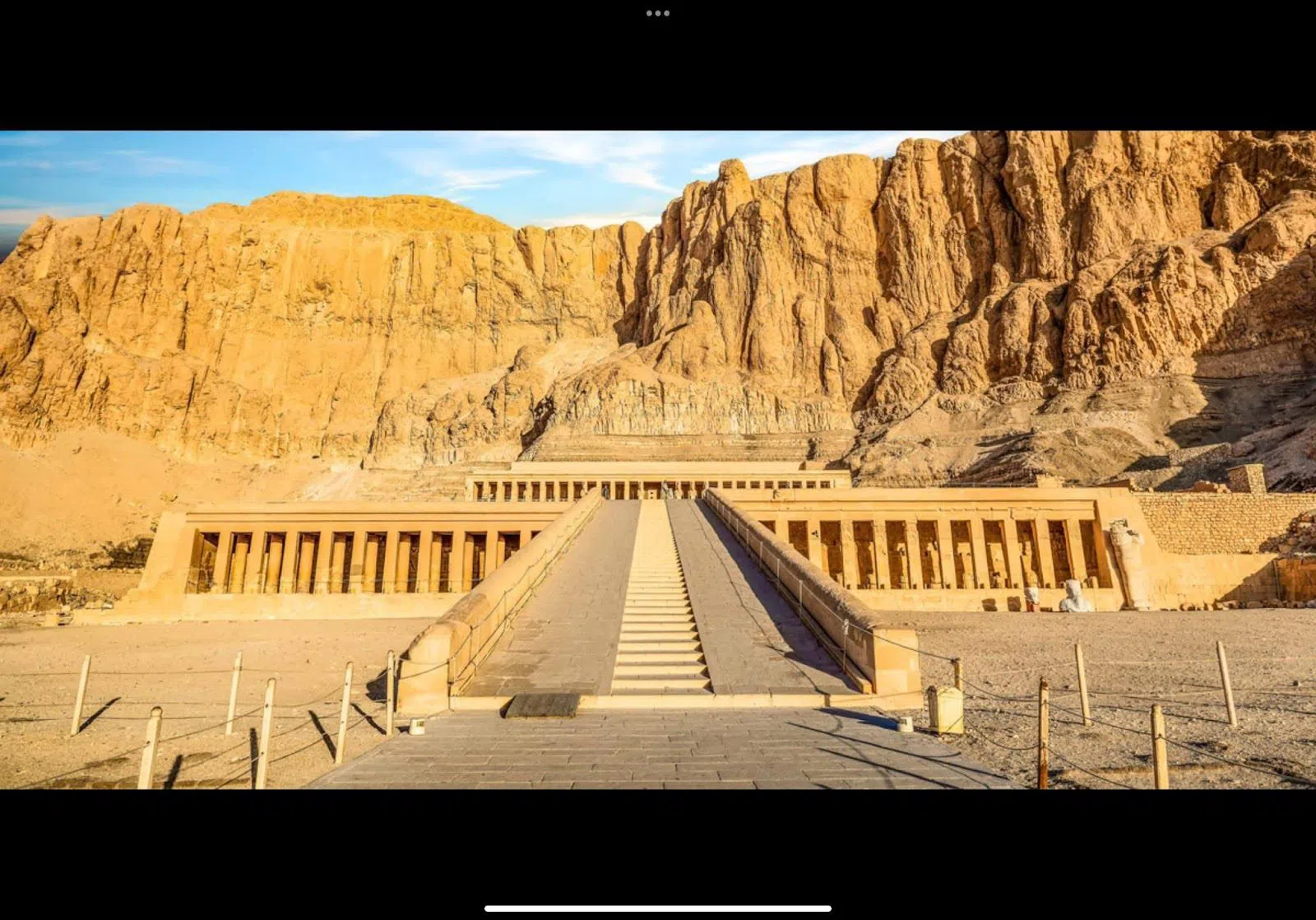
The terraces bounce heat like a grill pan and have no shade anywhere on them, so this is a first-light or last-hour visit and nothing in between. Once you are up the ramp, the two things to find are the Punt reliefs, with their record of the expedition south, and the Hathor chapel on the middle terrace, where the column capitals carry the goddess's face.
Where independent visitors win
The sites below are where doing Luxor yourself stops being a saving and becomes an advantage.
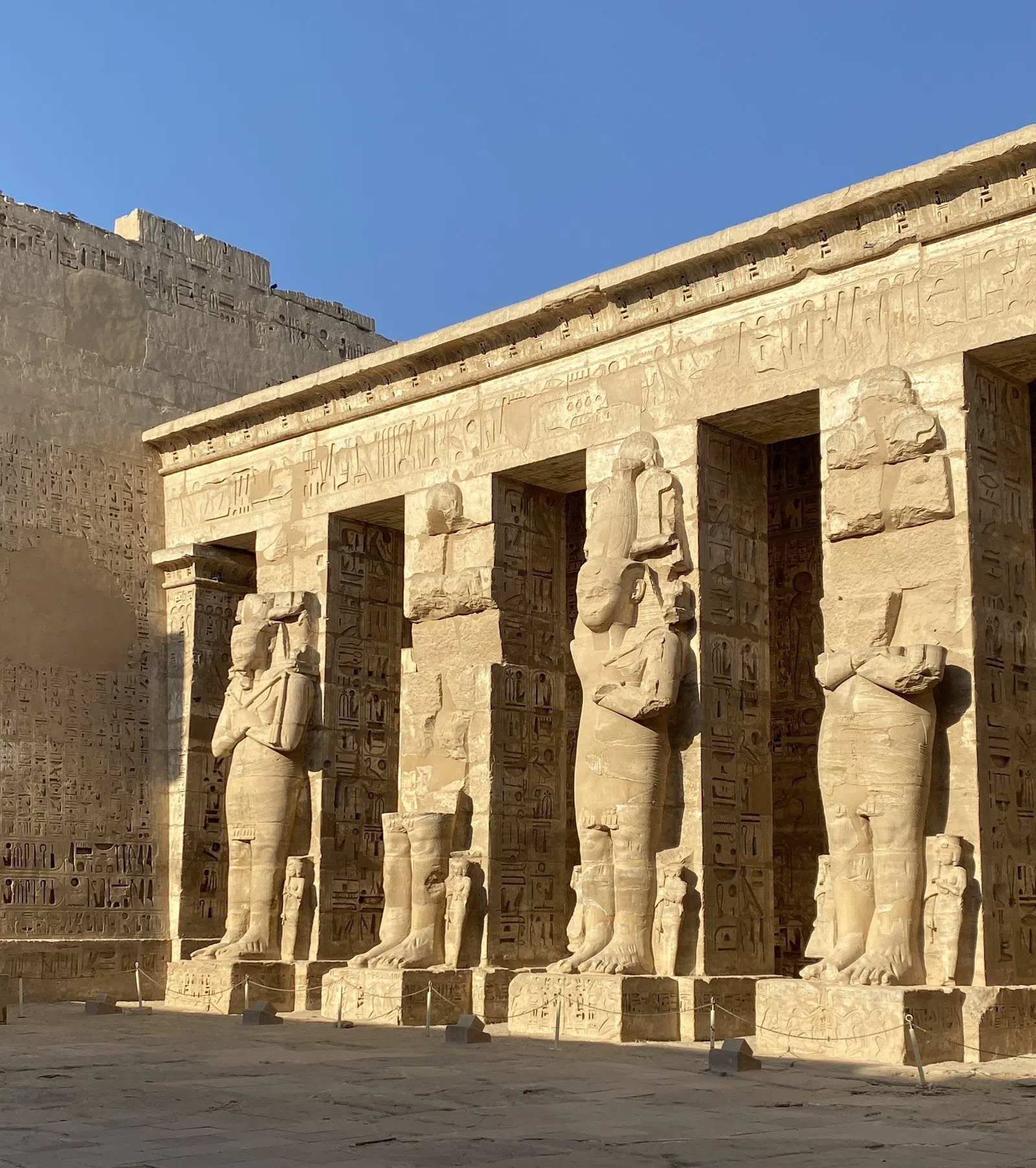
Medinet Habu, the mortuary temple of Ramesses III at the southern end of the West Bank, is around EGP 220 and genuinely quiet: no coach queues, and room for a group to spread out without blocking anything. It holds the best-preserved colour on the West Bank, still legible in the ceilings and the upper reliefs, and it is reliably empty while everyone else queues at Deir el-Bahari. Of all the extra taxi hops, this is the one to insist on.
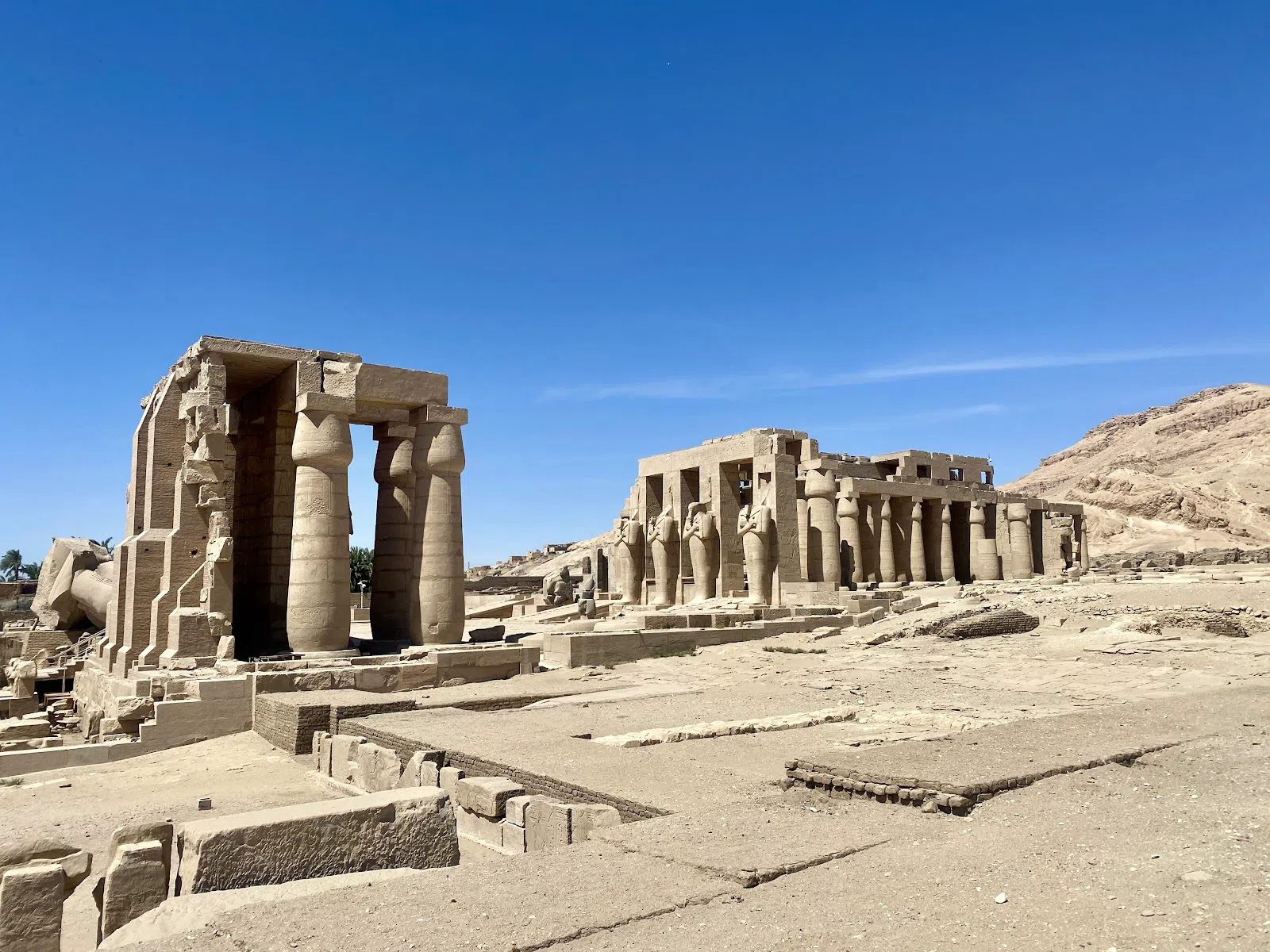
The Ramesseum, out on the West Bank plain, costs about EGP 200 to 250 and is rarely busy. It is open ground, ruined and unrestored, and it holds the fallen colossus of Ramesses II that put Ozymandias into Shelley's head. It rewards wandering with nobody talking at you more than any other site in the city.
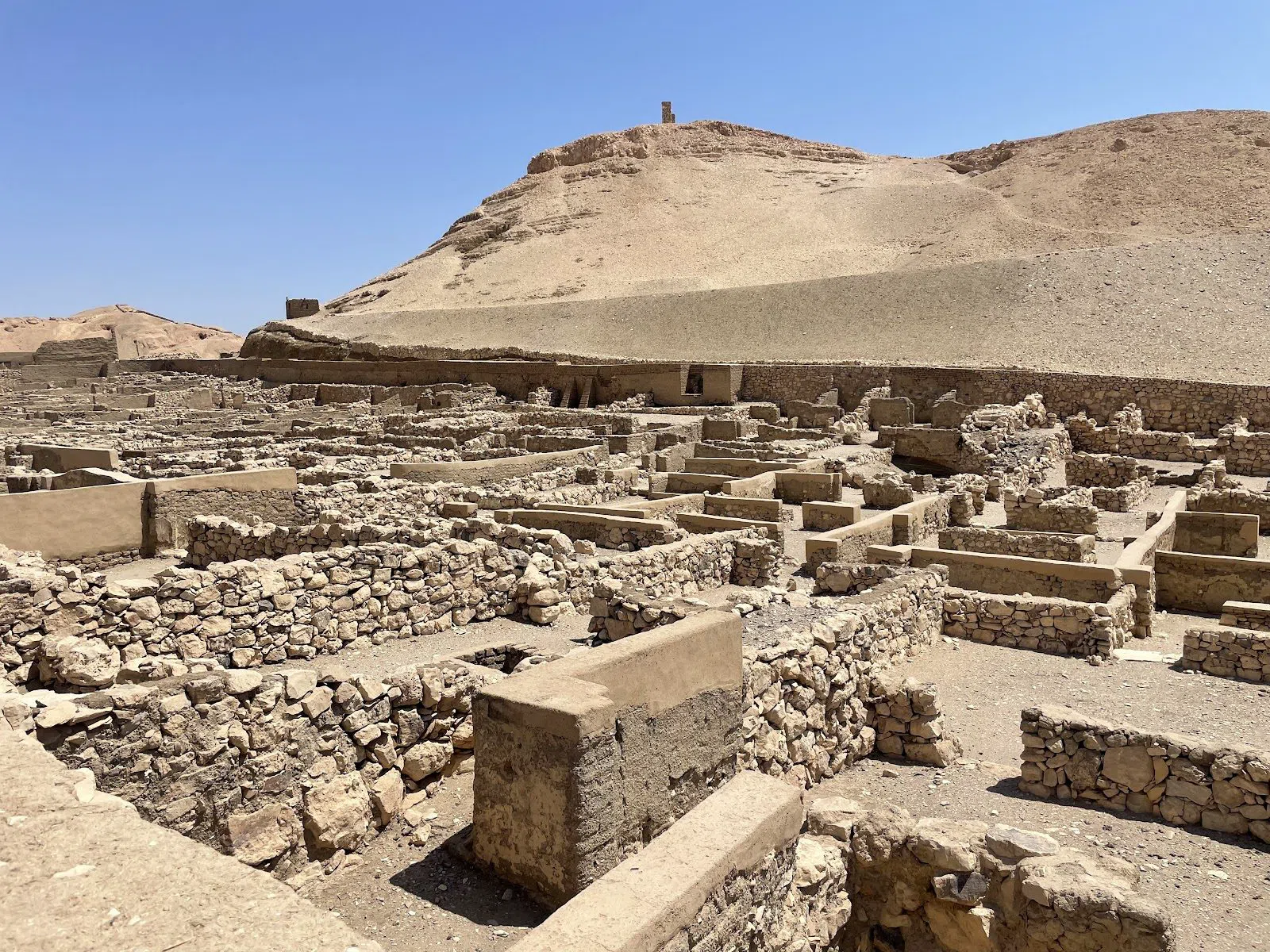
Deir el-Medina, the Valley of the Artisans, sits in a bowl south of the nobles' hill and runs about EGP 150 to 250. This was the village of the men who cut the royal tombs, and their own tombs are on the standard ticket: Sennedjem (TT1), Inherkhau (TT359) and the Amennakht and Nebe tomb. Sennedjem's burial chamber is the most completely preserved painted ceiling on the West Bank, with better colour than most of what you will see in the Valley of the Kings, for a fraction of the fee. The chambers are tiny and the steps steep, so visitors go down in ones and twos however they arrived.
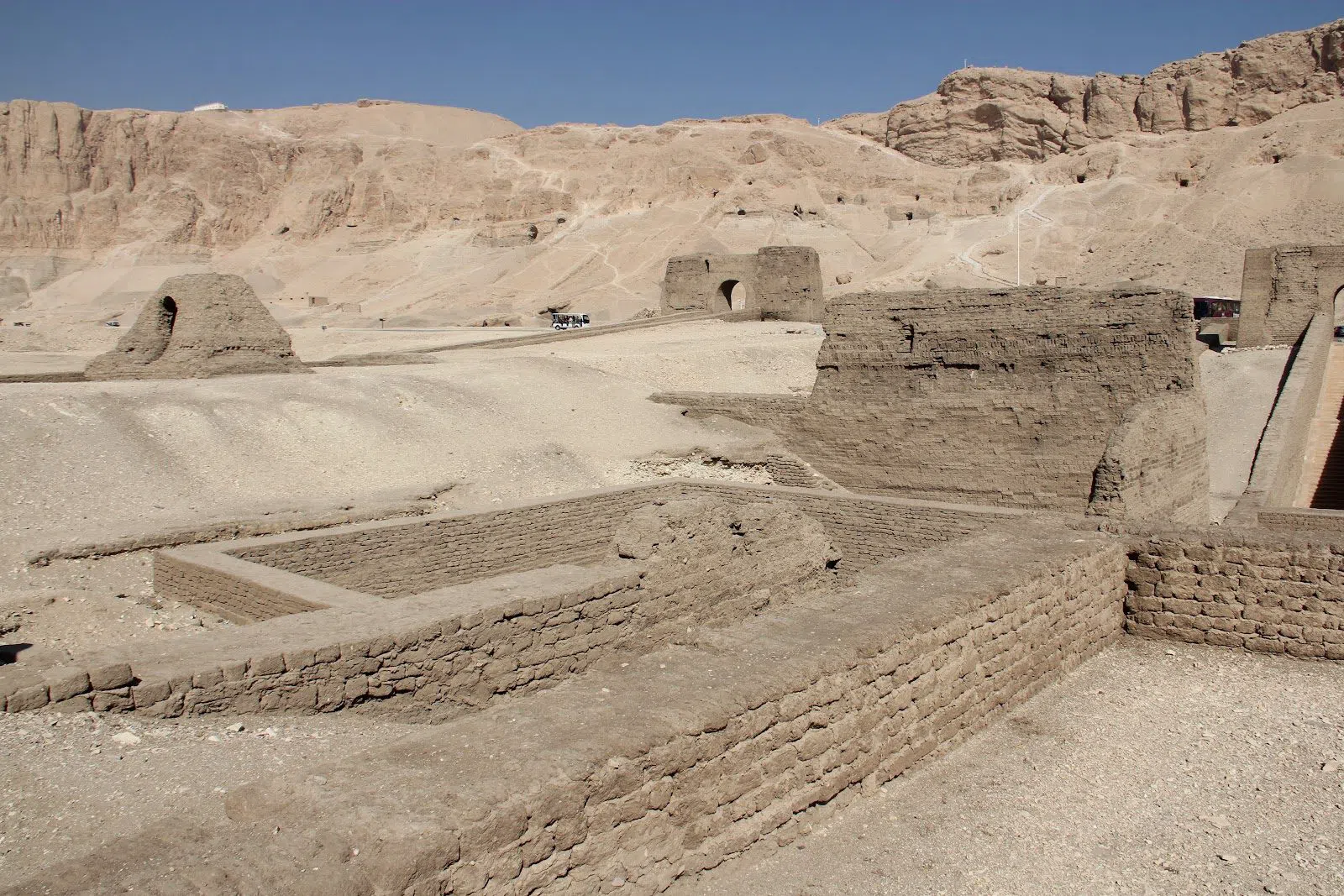
Tombs of the Nobles, Sheikh Abd el-Qurna are sold as separate small clusters, each with its own ticket: Ramose, Userhet and Khaemhet in one; Sennefer and Rekhmire in another; Menna, Nakht, Amenemope and others in a third. Reckon on EGP 150 to 250 per cluster and budget for two or three. The chambers take four or five people at a time, not a coachload, which is exactly why an independent pair does well here. Sennefer's chamber, the Tomb of the Vineyards, has grapes painted across an uneven ceiling, and you will often have it with a custodian, a torch and no one else. Carry a stack of small notes: the custodian who unlocks the door and holds the light expects one, and that exchange is the whole social contract of the hill.
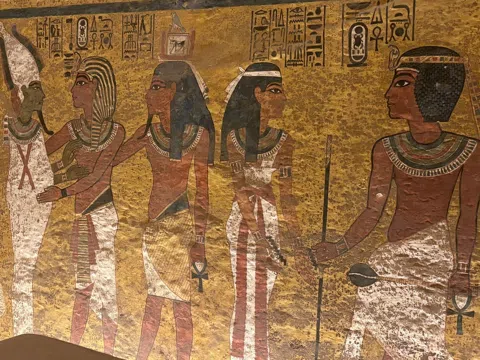
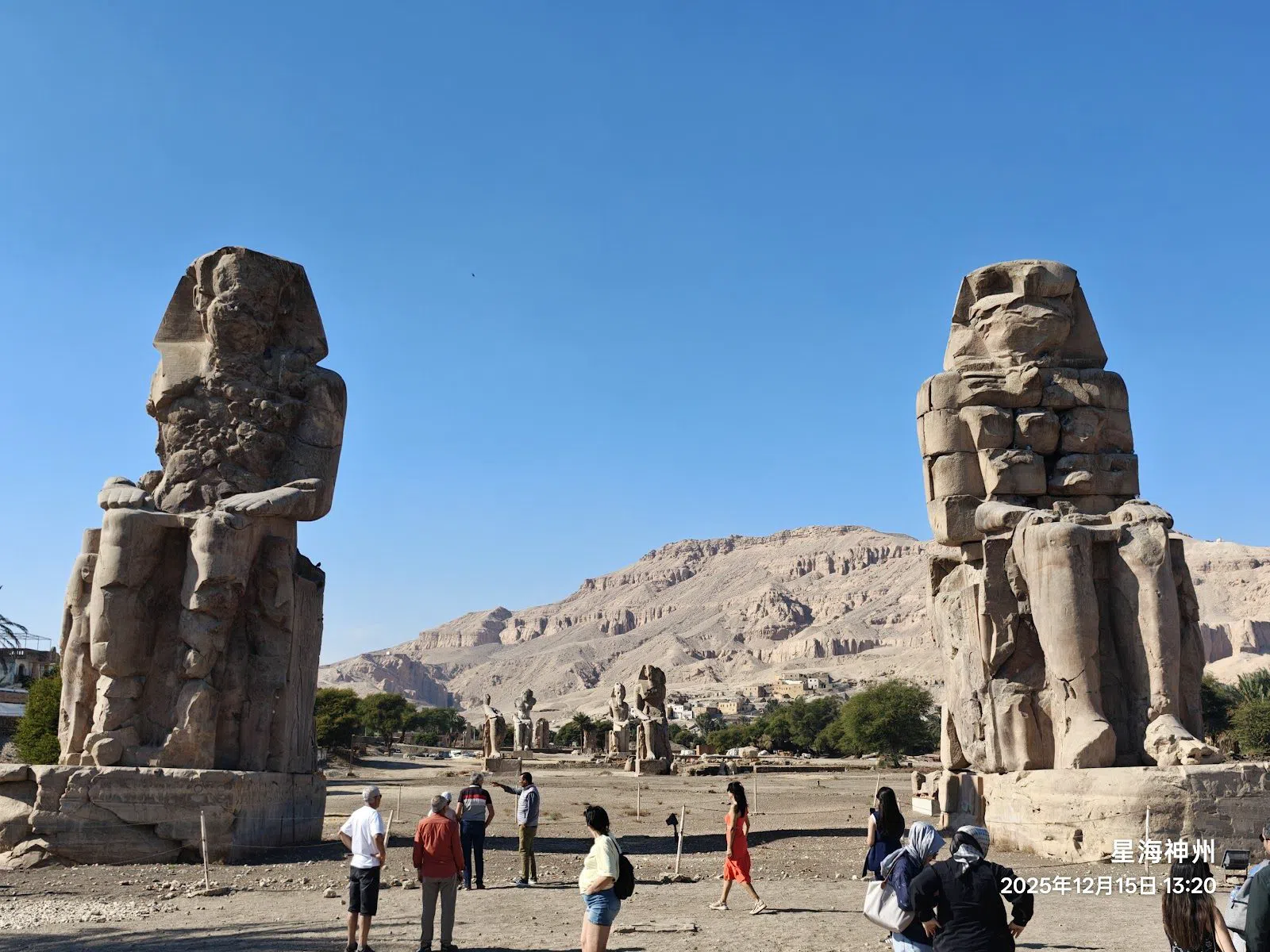
Two more stops fit on the same run. Howard Carter House and the Tutankhamun facsimile tomb, on the road between the ferry landing and the Valley of the Kings, costs around EGP 220 and is custodian-run. The facsimile shows the real tomb's walls as they looked before crowds and humidity got at them, and the house tells the discovery story without a word of tour-guide patter; the replica chamber fills fast, so a dozen people is the practical limit at any one moment. The Colossi of Memnon, at a roadside layby on the way in, have no gate, no ticket and no closing time. Ten minutes for the sheer scale is fair, and the ongoing excavation behind them is now more interesting than the statues. The hawkers at the layby are the only friction on the West Bank you cannot negotiate away; a flat no, repeated, works.
Decide about Nefertari before you leave the hotel
Valley of the Queens, at the southern end of the necropolis, is open ticketing at roughly EGP 220 for the valley itself. The tomb of Nefertari is a separate supplement of roughly EGP 2,000 to 2,500, capped at a handful of visitors at a time, held to a strict 10 to 15 minutes and rationed by a daily quota that sells out on the spot. Groups cannot go in together, which is another win for the independent visitor, but only if the quota has not already gone.
It is the most expensive quarter-hour in Egypt and still the best-preserved painting the country has. The honest comparison is that the supplement costs what Deir el-Medina, the Ramesseum, Medinet Habu and two clusters of nobles' tombs would run you several times over. Both choices are defensible. What is not defensible is arriving at the gate undecided, because then the queue makes the decision for you.
Hiring a driver is not hiring a guide
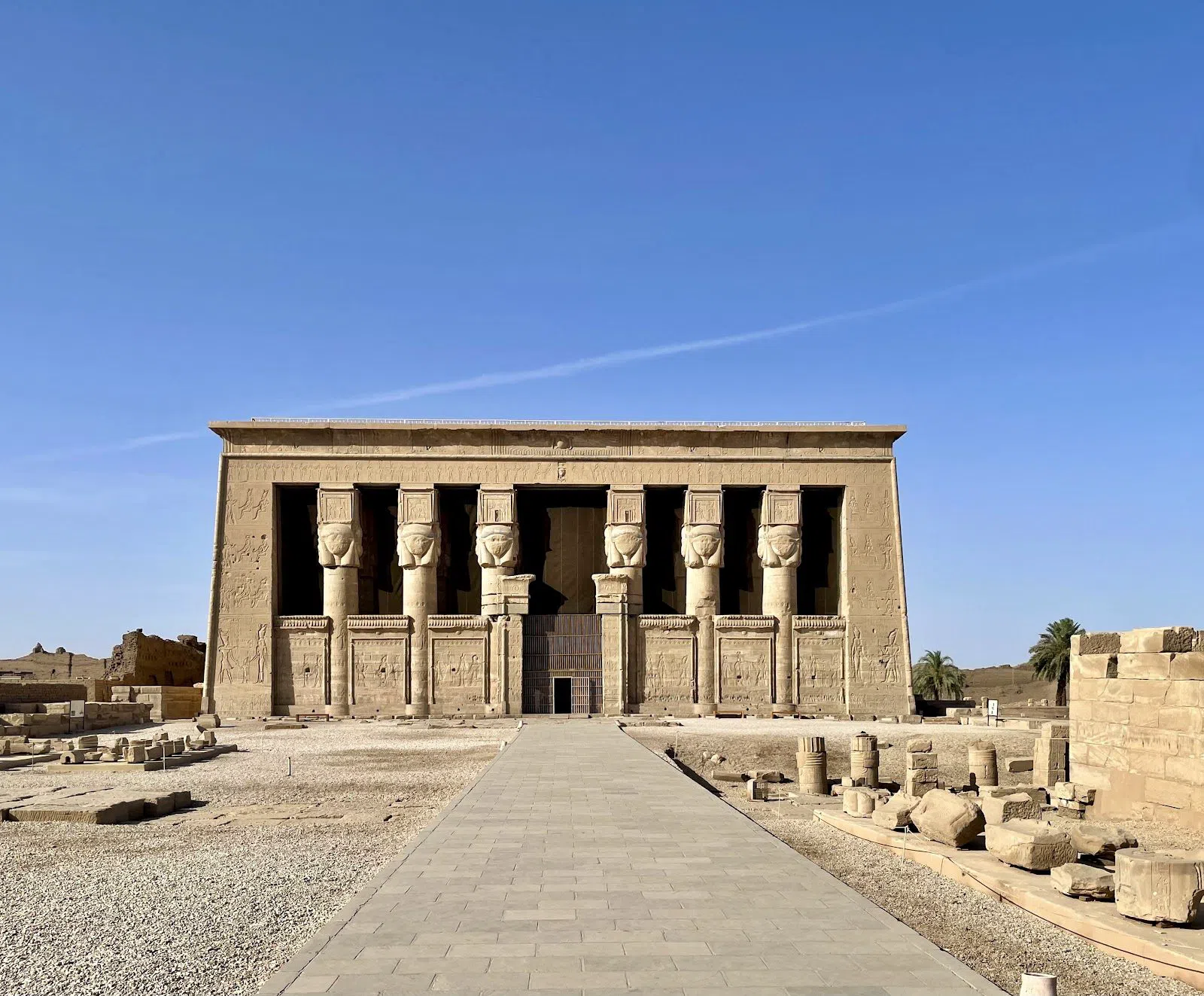
Dendera Temple of Hathor, about 90 minutes north of Luxor, is the clearest proof of that distinction. Entry is around EGP 300 and the site is quiet by Luxor standards; a return taxi with waiting time typically runs EGP 1,200 to 2,000 for the car, agreed in advance and in full before you set off. You get dropped at the gate and the temple explains itself. The astronomical ceiling has been cleaned back to its blues, and the crypts, which take one person at a time, are the part organised groups never manage well.
That is the model for the whole trip. Buy transport, not interpretation.
Practical notes
The public ferry beside Luxor Museum runs constantly and is the cheapest thing in the city; take it rather than the bridge, which is a long detour south. On the West Bank, hire a taxi for a half day and agree the full route and price at the landing before you move. On the East Bank the temples, the museum and Rams Road are all walkable, and Karnak is a short, cheap taxi ride north. Staying near the corniche makes all of this simpler, and the Luxor hotel search will show you what sits within walking distance of the ferry.
Card payment is now standard at the major gates (Karnak, Luxor Temple, the Valley of the Kings), but assume cash everywhere else: the ferry, the smaller West Bank tickets, custodians, taxis, and Sofra. Small denominations matter more than the total you carry.
Sites open early and the heat wins by mid-morning for most of the year. Build the day around a 06:00 Karnak or an 08:00 arrival on the West Bank, break between roughly midday and four, and keep the evening for Luxor Temple, the Rams Road and the museum, all of which stay open late.
A full independent West Bank day taking in the Valley of the Kings with three tombs plus Ramesses V/VI, Hatshepsut, Medinet Habu and Deir el-Medina lands near EGP 1,800 to 2,000 per person in entry fees, plus the taxi and the ferry. Add the East Bank temples, the museum and a cluster or two of nobles' tombs and a two-day ticket total of about EGP 3,300 to 3,800 per person is realistic, before Nefertari, Seti I or Dendera. A guided equivalent costs more and, in the tombs that matter most, tells you nothing, because the guide is not permitted to speak in there.
For where to stay, when to come and how the rest of the city fits together, see our Luxor guide.
Before you go
Can you visit the Valley of the Kings without a guide?
Yes, and this is the site where going alone costs you least: guides are barred from talking inside the tombs, so groups break up at the doors anyway. Standard entry in 2026 is around EGP 750 including three tombs, plus about EGP 20 return for the tram. Arrive by 08:00, before the heat and the queues build.
How do you get from the East Bank to the West Bank without a tour?
Take the public ferry from the landing beside Luxor Museum. It costs EGP 5 to 25 per person each way, takes roughly ten minutes and needs no booking. Taxis and pickups wait at the West Bank landing; agree the full route, the price and that waiting time is included before you get in.
Is the tomb of Nefertari worth the extra EGP 2,000–2,500?
It is the best-preserved painting in Egypt and you get a strict 10 to 15 minutes with a handful of other people. The same money covers Deir el-Medina, the Ramesseum, Medinet Habu and several clusters of nobles' tombs many times over. Decide before you arrive, because the daily quota sells out on the spot.
How much does a self-guided day in Luxor cost in 2026?
A West Bank day with the Valley of the Kings (three tombs plus Ramesses V/VI), Hatshepsut, Medinet Habu and Deir el-Medina comes to roughly EGP 1,800 to 2,000 per person in entries, plus a half-day taxi and the ferry. Adding Karnak, Luxor Temple and the museum brings a two-day total to about EGP 3,300 to 3,800.
Do you still need cash in Luxor, or do the sites take cards?
Card payment is now the norm at the major gates (Karnak, Luxor Temple, the Valley of the Kings), but carry cash for everything else: the ferry, smaller West Bank tickets, taxis, tomb custodians and Sofra, which has run cash-only. Small notes are more useful than large ones.