The Luxor issue
City of the Dead: Inside Luxor's West Bank, Where Thousands of the Living Built Eternity
A grounded, honest guide to Luxor's West Bank necropolis in 2026 — the royal valleys, the great mortuary temples, the workers' village, and how to plan a day among them without wilting.
By Hanne VermeerReading Luxor the way it was built
Before the pyramids fell out of fashion, Egypt's New Kingdom pharaohs moved their dead across the Nile to a fold of desert hills west of ancient Thebes, where the sun set each evening beneath a natural pyramid-shaped peak that marked the doorway to the afterlife. What guidebooks flatten into "the West Bank" is really one enormous necropolis — royal tombs, mortuary temples, and the town of the craftsmen who built them — assembled over roughly five centuries by thousands of living Egyptians for a handful of kings who expected to live forever. Cross the river at dawn and the whole enterprise is still legible in the rock: who was buried where, who did the digging, and how belief was turned into an industry.
This is a lot of ground, literally, and a day here rewards planning more than almost anywhere in Egypt. The sites cluster into a few honest categories — the royal valleys, the mortuary temples, the workers' quarter, and the open-air icons — and the smart move is to group them geographically rather than chase a greatest-hits list in the heat. For where to stay and what else fills a Luxor itinerary, the Luxor guide has the wider picture; below is the West Bank on its own terms.
Starting underground: the royal valleys
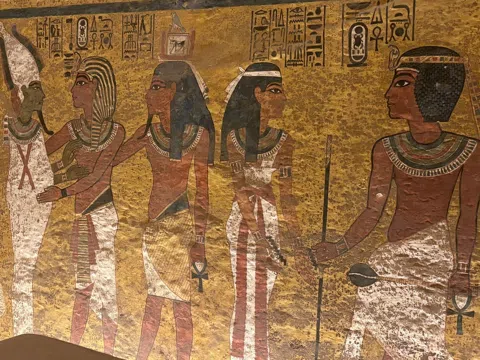
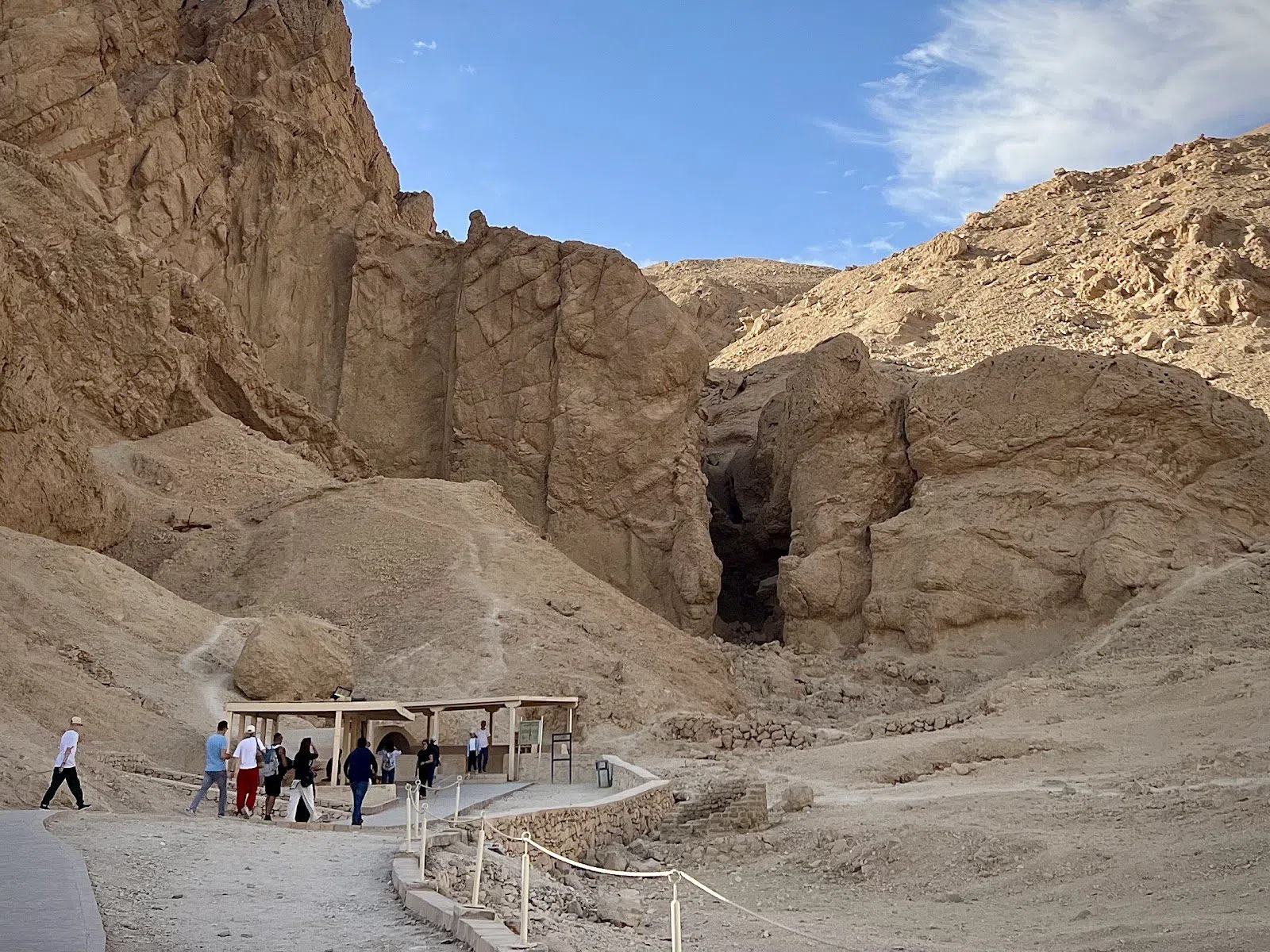
The Valley of the Kings (Wadi al-Muluk) is the unmissable core, and it is more managed than its mystique suggests. It's an open-air ticketed site: guides are not permitted inside the tombs, so they brief you at the gate and wait while an electric shuttle carries visitors up to the main tomb cluster. That structure makes it genuinely group-friendly — coach parties flow through without much friction — but it also means the standard 600 EGP ticket only opens three tombs, and which three rotates. Treat that base ticket as a lucky dip and pay for the ones you actually came for. Tutankhamun's small tomb is a separate 700 EGP and, honestly, more famous than it is beautiful; the money shot is Seti I (KV17) at 2,000 EGP when it's open — the deepest, finest-cut royal tomb in the valley, and open only intermittently, so check on the day. Ramesses VI, when it falls into the standard rotation, is the best-value ceiling in the place. Go early: the valley bakes, and the queues for the marquee tombs lengthen with the sun.
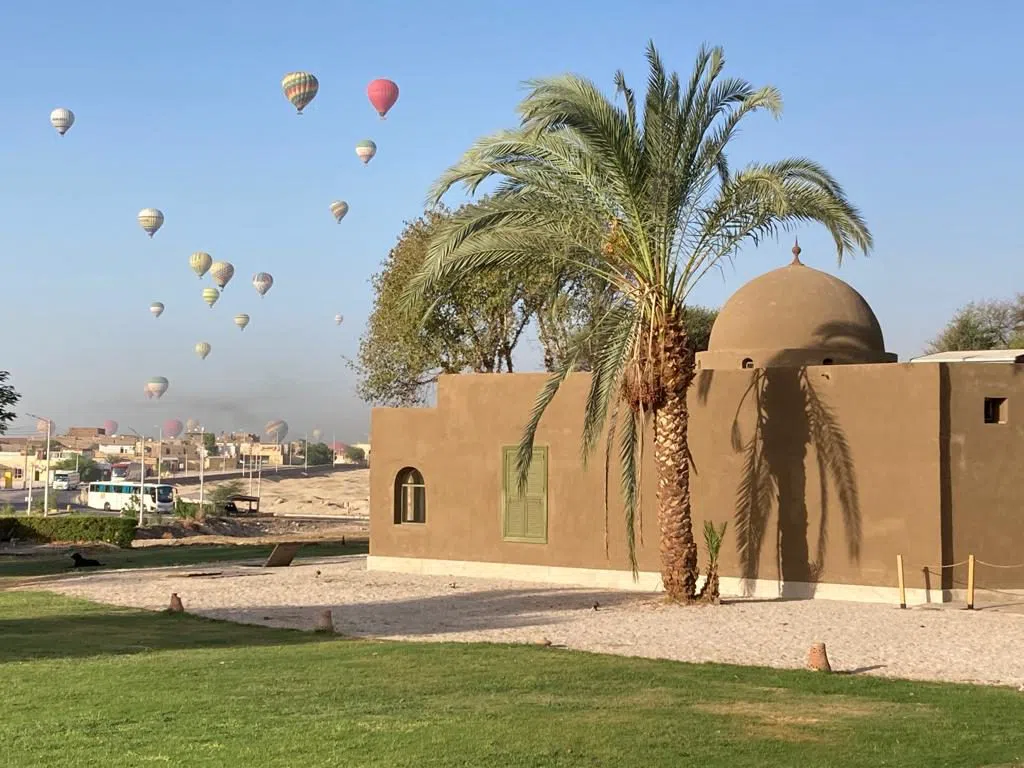
A short hop away, the Howard Carter House (near the valley approach) is the quiet, contextual counterweight to all that grandeur. This is the modest domed home where the archaeologist lived through the seasons that ended, in 1922, with the discovery of Tutankhamun's intact tomb; the museum inside adds a full-scale replica of that tomb. At ~220 EGP it's a small-group place rather than a coach stop — the rooms are cramped — and it works best as a twenty-minute primer before you descend into the real valley, or as a decompression stop after.
The Valley of the Queens (Wadi al-Malikat) is the necropolis's second address, and it needs an honest caveat: the tomb everyone associates with it, Nefertari's, has been closed since 2024 for conservation, so do not build your visit around it. What the standard 220 EGP ticket still delivers is a set of jewel-box tombs cut for royal children — Amenherkhepshef, Titi and Khaemwaset among them — with colour and modelling that reward slow looking. It takes groups happily, but the individual chambers are small, so it rewards a smaller party or an off-peak hour.
Plan your Luxor trip
Live prices from our booking partners.
Free cancellation on many rooms. We may earn a commission when you book.
The great mortuary temples
If the valleys are where the kings were hidden, the mortuary temples along the desert edge are where they were remembered — vast machines for keeping a dead pharaoh's cult, and offerings, running in perpetuity.
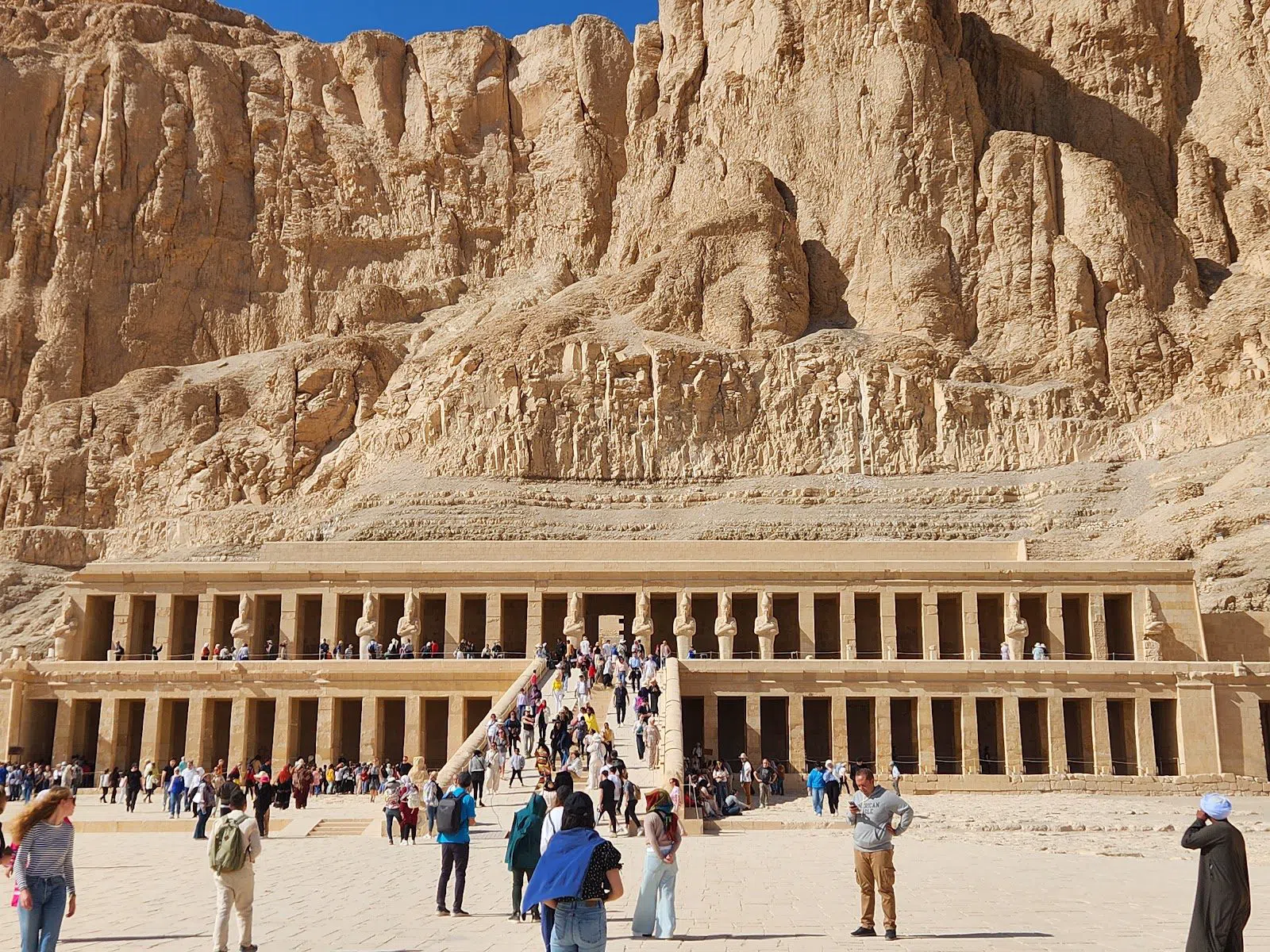
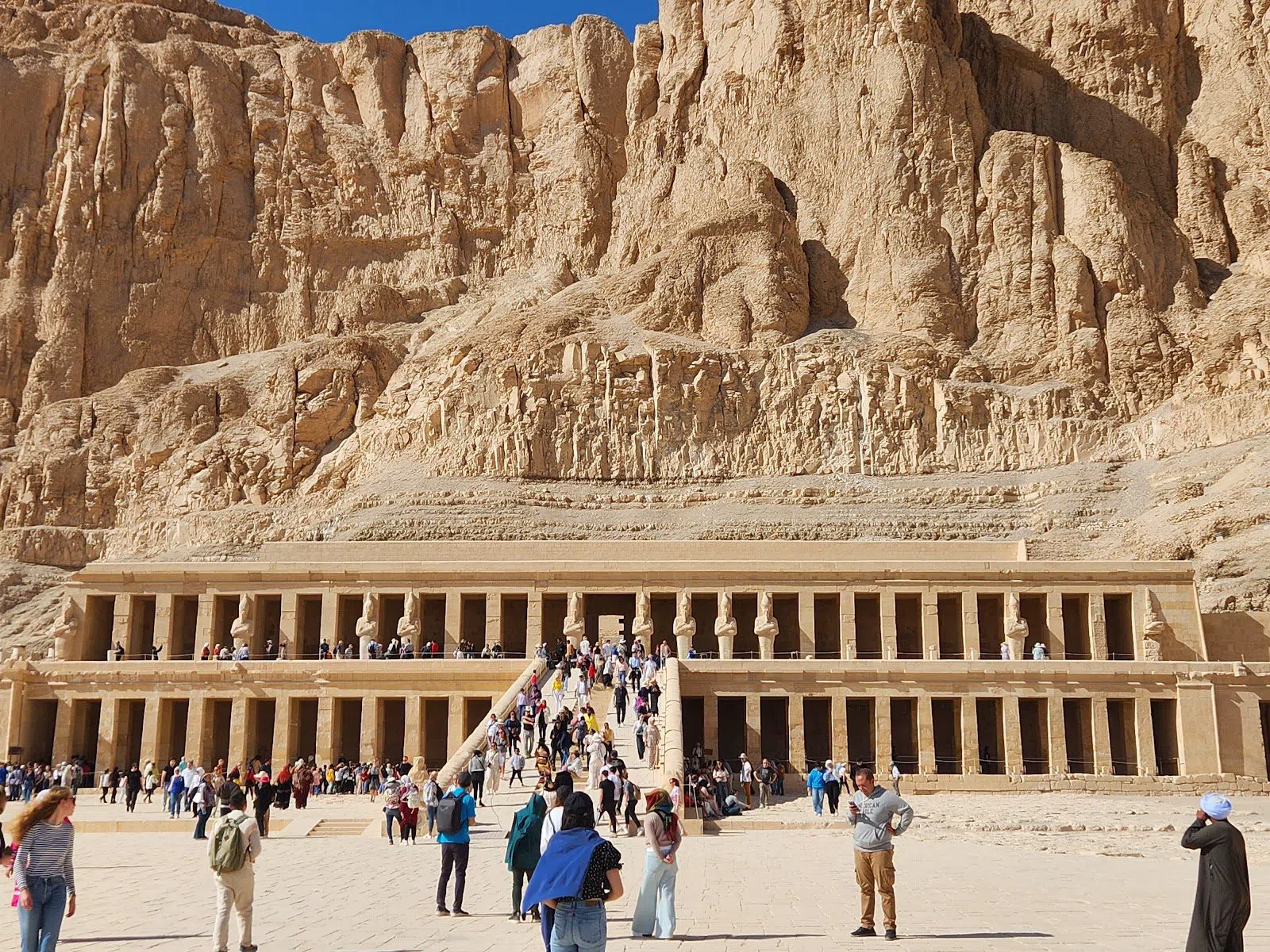
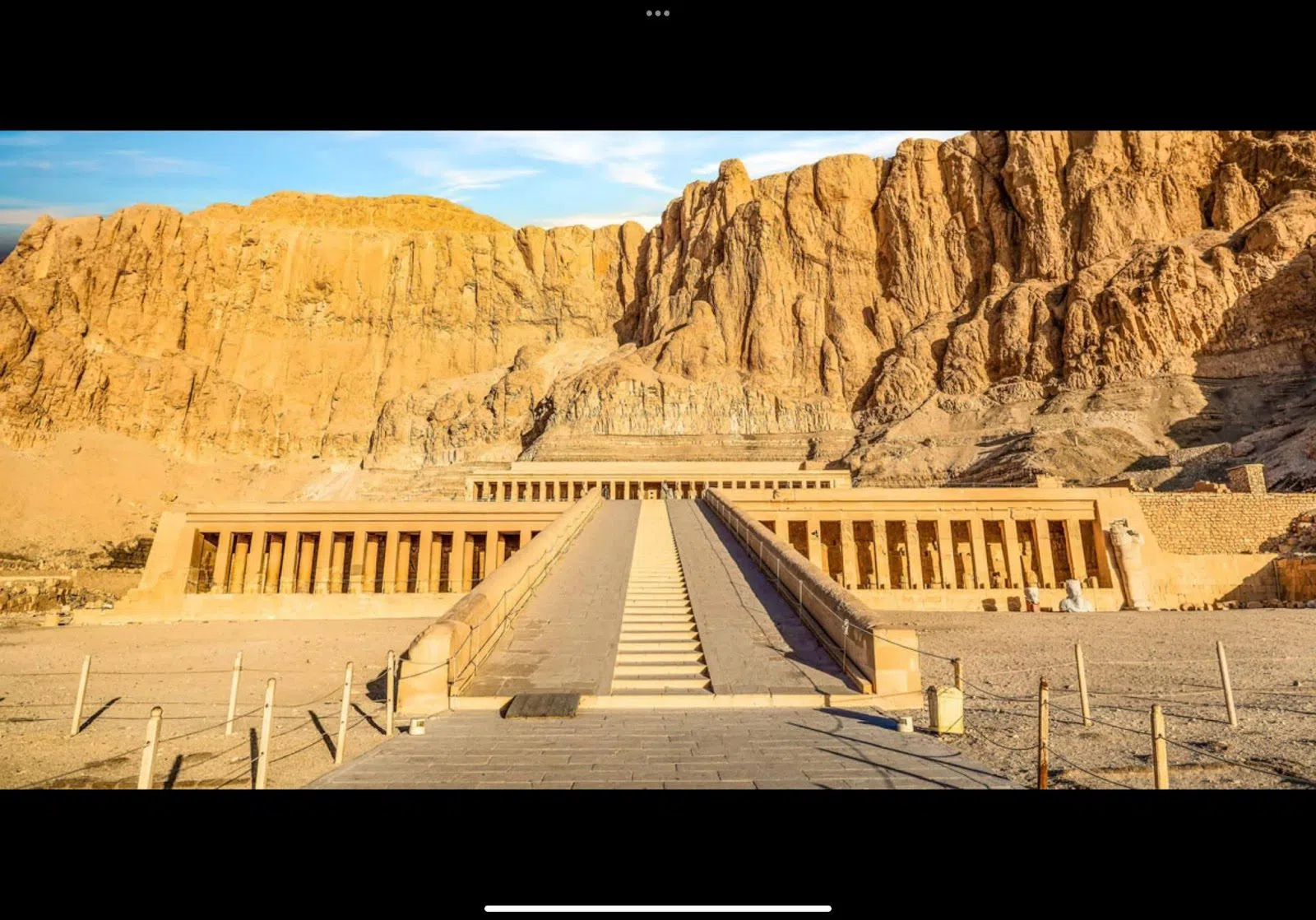
The Temple of Hatshepsut (Deir el-Bahari) is the West Bank's signature silhouette: three colonnaded terraces stacked against a sheer amber cliff, built for the most powerful woman ever to rule as pharaoh. It is thoroughly set up for groups — wide ramps, generous terraces, and a little tourist train that ferries visitors from the gate — which is exactly why you want it first thing. At ~360 EGP it's worth the early alarm, and not only for the crowds: shoot it in the low morning light, because by mid-morning the cliff behind it throws the heat straight back at you and the whole amphitheatre turns into a furnace.
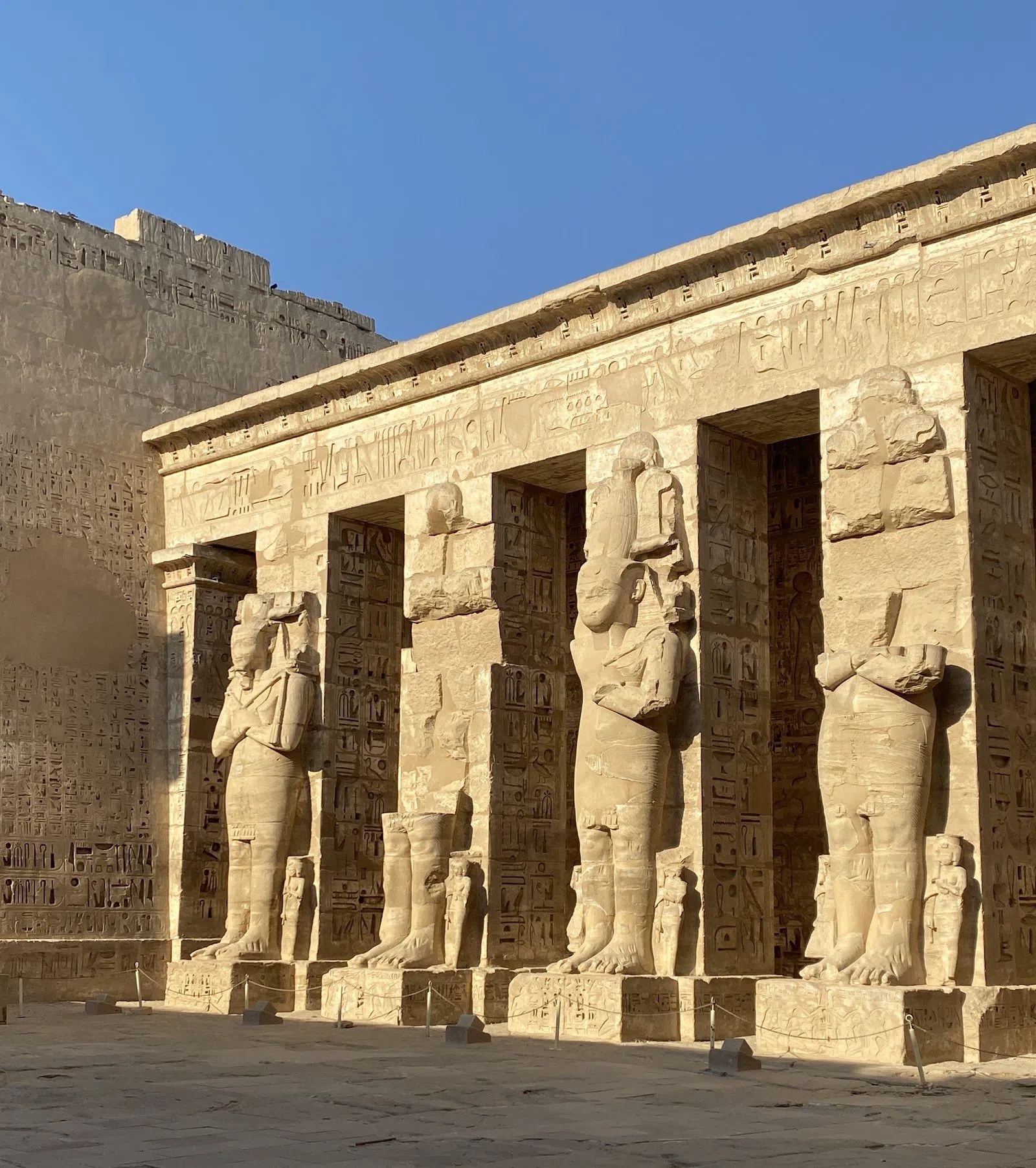
For anyone who suspects they've "done" temples, Medinet Habu (the mortuary temple of Ramesses III) is the corrective. It is the best-preserved colour on the West Bank — pigment still clinging to sunk-relief walls and ceilings — and, being at the southern end of the site, far quieter than Hatshepsut. The ground is flat and walkable, it absorbs groups without ever feeling crowded, and at ~200 EGP it is the connoisseur's pick. If you see only one temple here properly, make it this one.
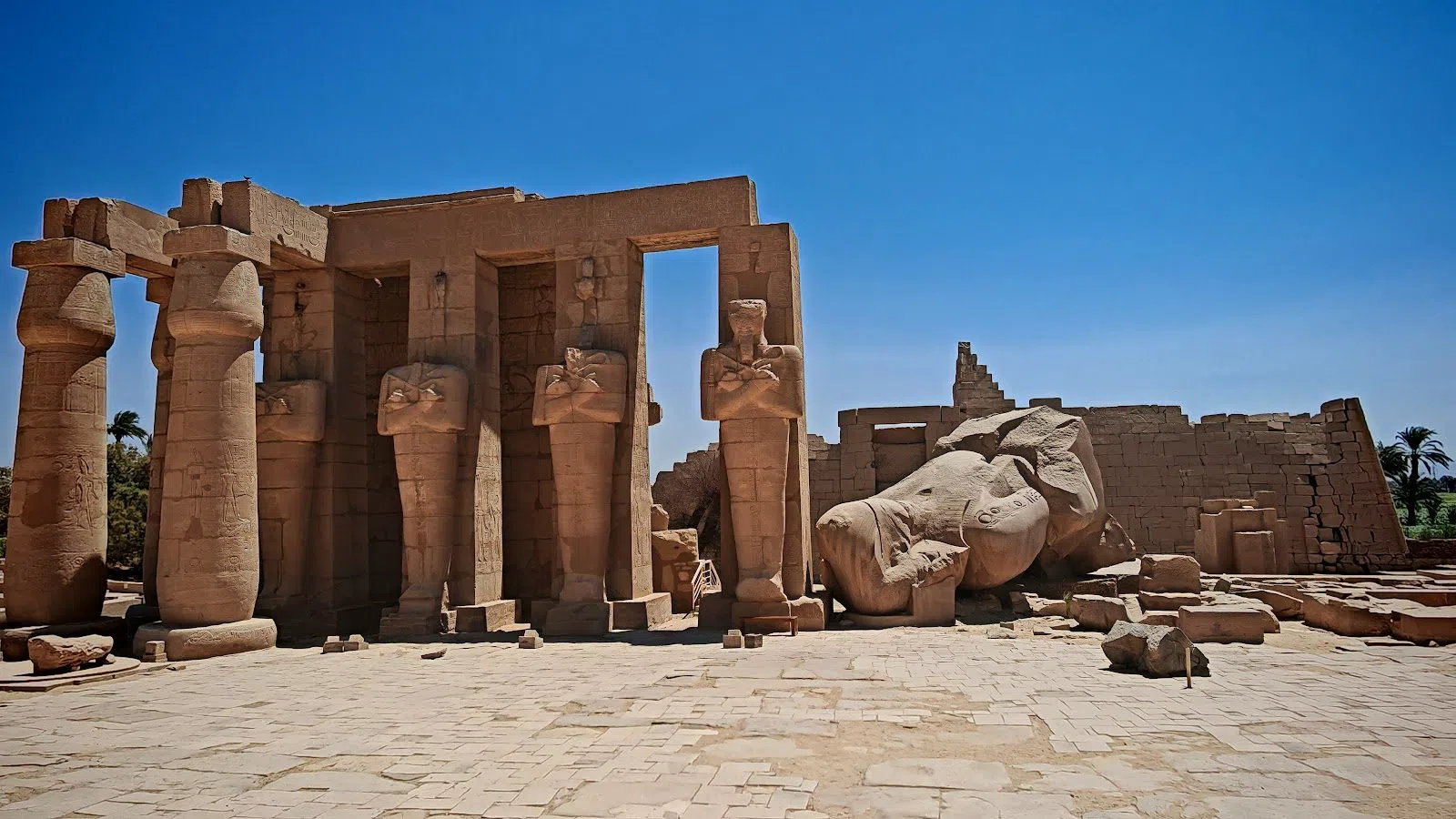
The Ramesseum (the mortuary temple of Ramesses II) is the romantic ruin of the set. A colossal fallen statue of the king lies broken among the columns here — the sight that, at second hand, gave Shelley his "Ozymandias" and its lesson about the vanity of monuments. Half-collapsed and gloriously empty, it takes groups without ever feeling busy, and at ~220 EGP it's a fine, melancholy counterpoint to the intact temples — a place to sit for ten minutes rather than tick off.
The most overlooked temple on the West Bank is the Temple of Seti I at Qurna (Qurna), passed over largely because its name collides with Seti I's tomb over in the Valley of the Kings. That confusion is your gain. The carving quality rivals the celebrated reliefs at Abydos, the site is almost always empty, and it takes groups easily precisely because so few people come. At ~100–140 EGP it's the cheapest serious art on the bank and, most days, you'll have it to yourself.
The village and the nobles
The West Bank isn't only kings. Two sites open a window onto the people who did the work, and they're the ones seasoned visitors talk about most.
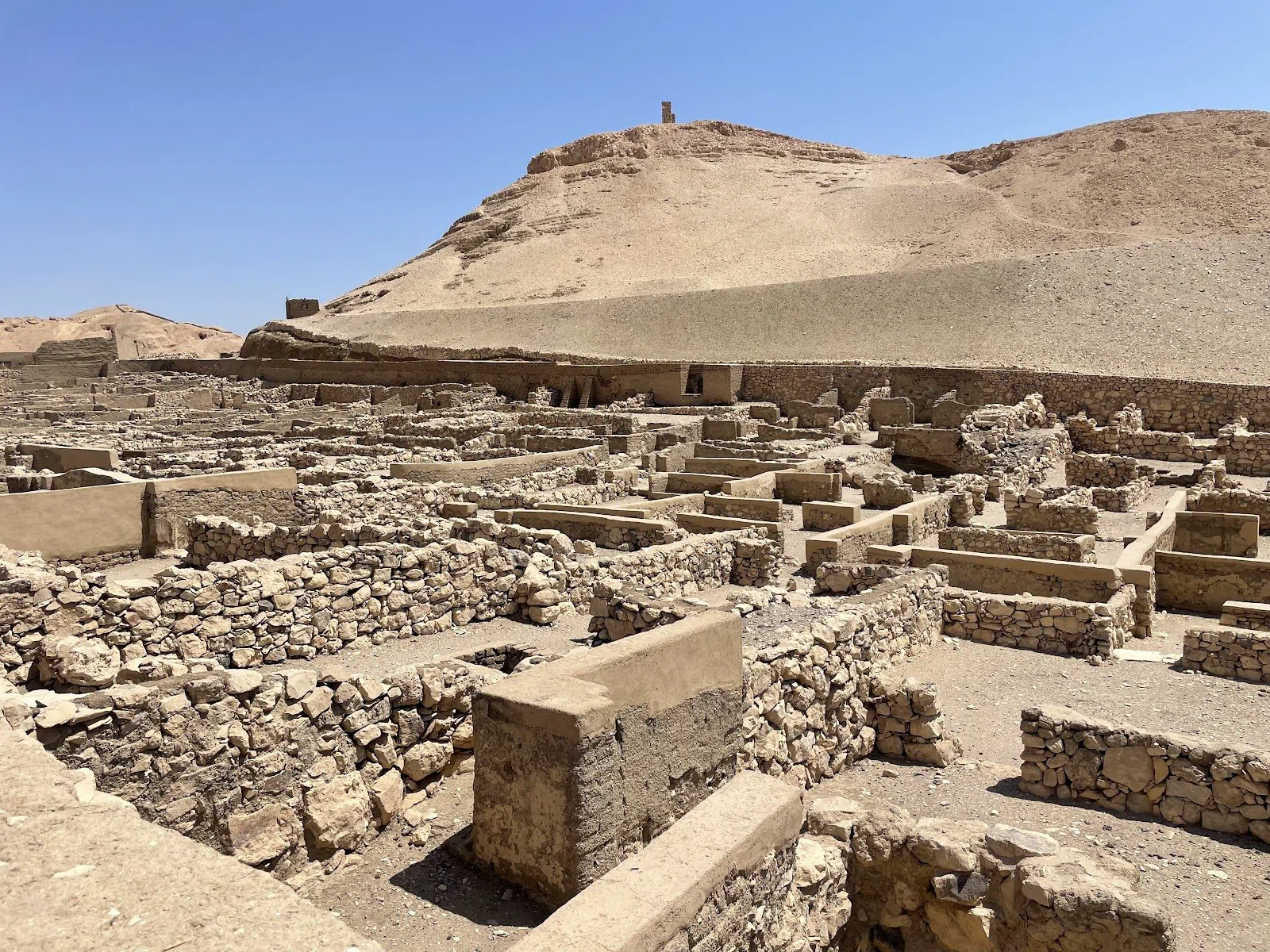
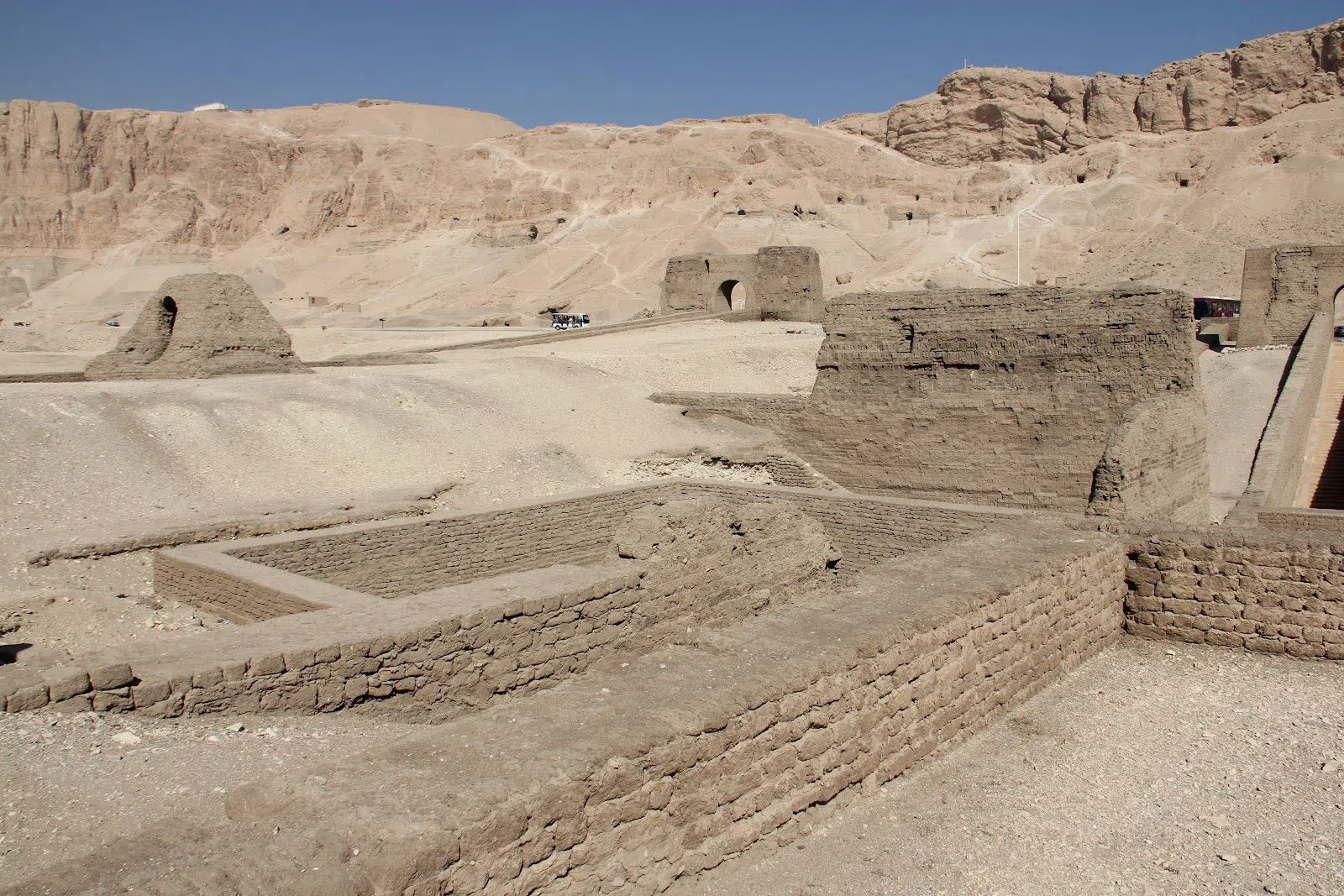
Deir el-Medina (the Workers' Village) was the walled town of the very artisans who cut and painted the royal tombs — a rare, well-documented community of literate craftsmen, complete with the ruins of their terraced houses and their own richly decorated tombs above the settlement. Sennedjem's tomb here is among the most vividly painted small chambers anywhere in Egypt. The trade-off is scale: the tombs are tiny, so while the site takes groups, you'll need to enter in ones and twos. Reckon on ~220 EGP, with some individual tombs ticketed separately.
Tombs of the Nobles (Sheikh Abd el-Qurna) is the bank's genuinely underrated gem. Instead of gods and kings, the walls here show ordinary Egyptian life — harvests, banquets, hunting in the marshes, musicians — because these were the tombs of officials, not pharaohs. Tickets are sold in paired groupings (Sennofer and Rekhmire, for instance) at roughly 120–220 EGP per pair, and the chambers are small enough that this is best treated as a small-group or couples' stop. Come here and you'll often have a 3,500-year-old room entirely to yourself, which almost never happens across the river.
Above ground: icons, balloons and the river
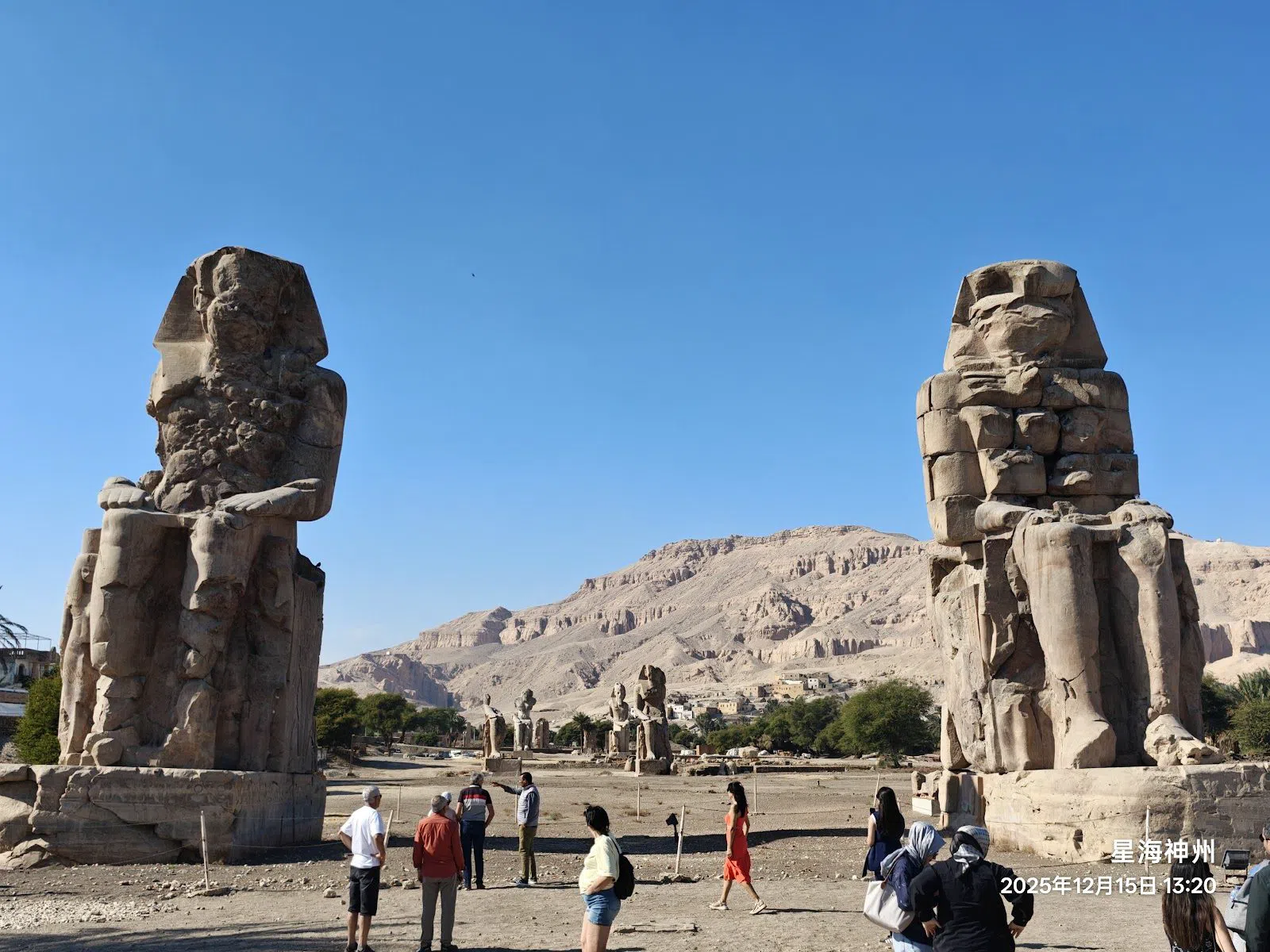
Not everything here is underground or ticketed to the hilt. The Colossi of Memnon (on the approach road) are two weathered seated statues of Amenhotep III, all that's conspicuously left of his own vanished mortuary temple. In antiquity one of them was said to "sing" at dawn as the warming stone cracked and hummed. They sit roadside with no barriers and no charge, which makes them the ideal first or last stop of any West Bank loop — five free minutes, and a good place to get your bearings before the day begins.
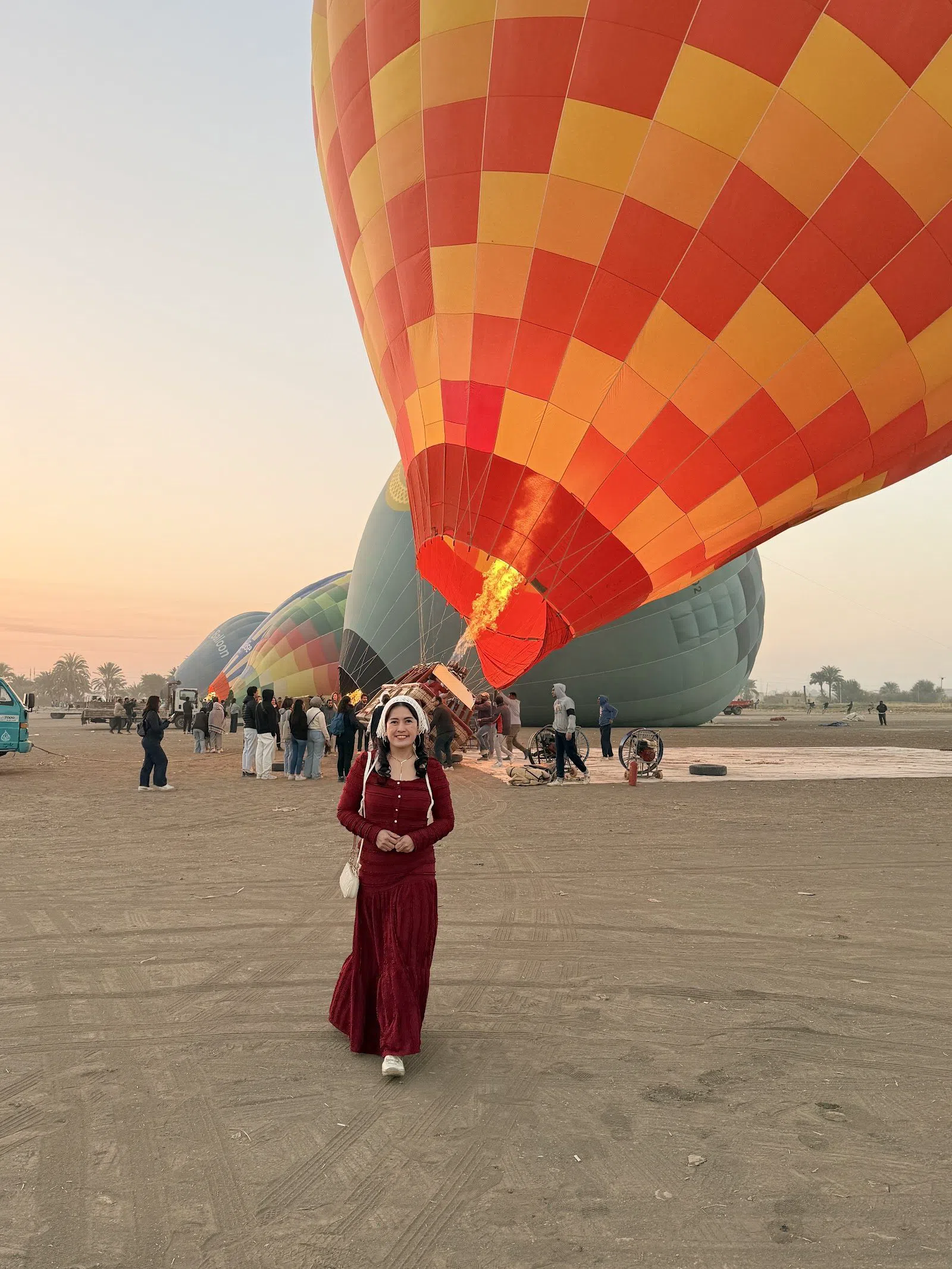
The single best-value spectacle on the bank happens before sunrise, in the air. A dawn balloon flight over the whole necropolis — temples, valleys and the green Nile edge laid out below — is the rare "wow" that lives up to the pitch, and Sindbad Balloons (West Bank, hotel pickups) is one of the most established licensed operators, purpose-built for groups with large baskets and door-to-basket transfers. Expect roughly $40–80 per person. This is the one activity where you should not chase the cheapest quote from a tout on the corniche; book a licensed operator and treat the saving as insurance.
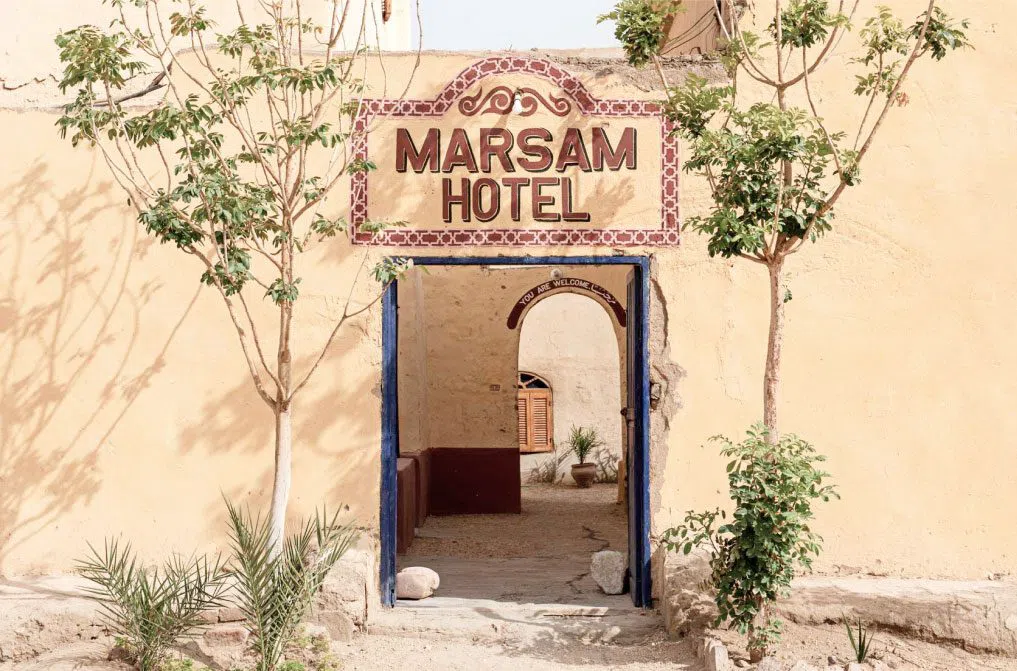
All this stone earns a long lunch, and the Marsam Hotel Garden Restaurant (near the Tombs of the Nobles) is the classic place to take it. The oldest guesthouse on the West Bank and a longtime archaeologists' haunt, it seats groups easily in a shaded courtyard and serves fresh, unfussy Egyptian food — the right kind of unshowy meal to break a day of tombs, at roughly 150–350 EGP a head.
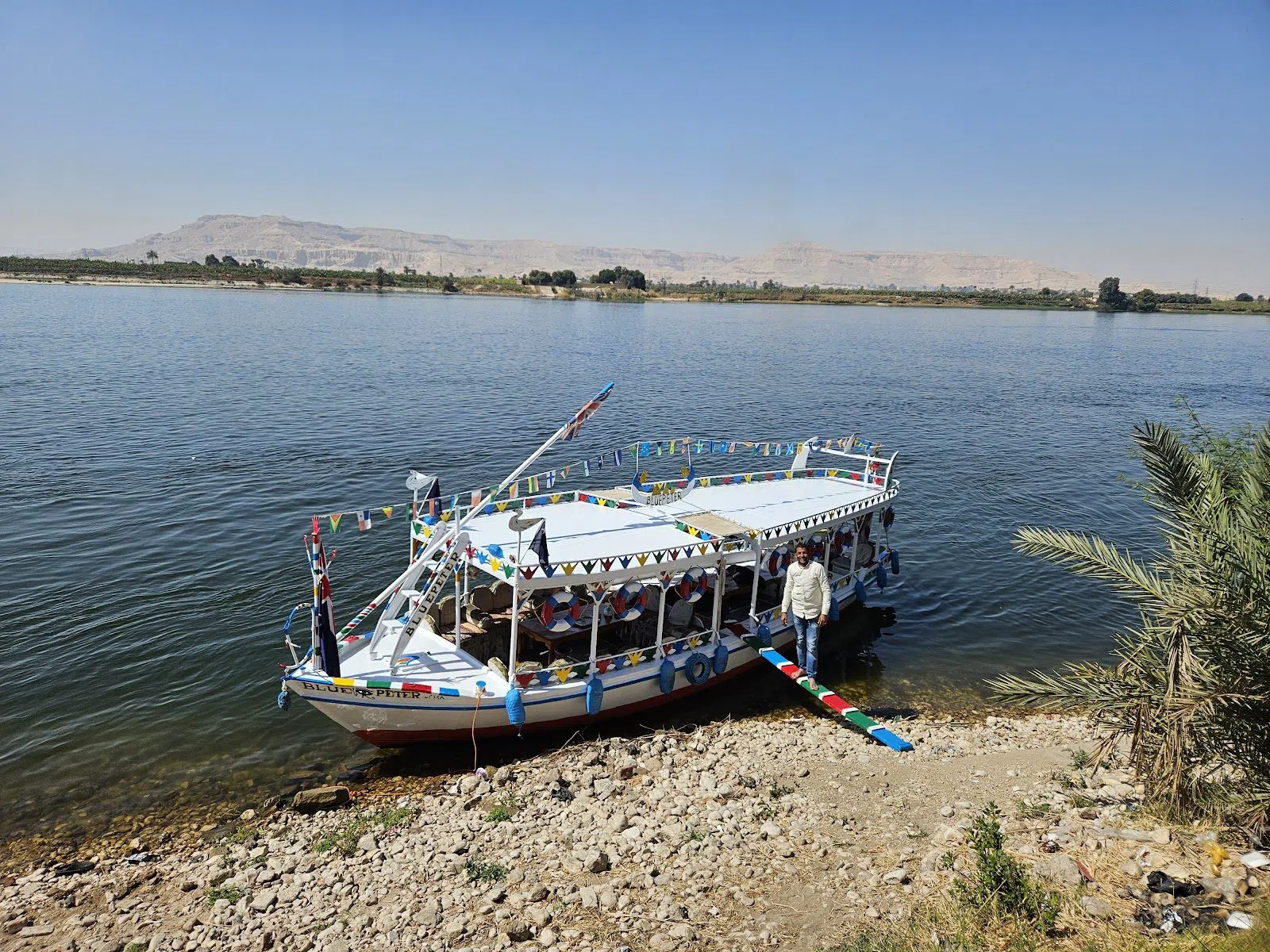
End the day where the pharaohs' dead spent eternity looking: on the water. The Nile Sunset Felucca to Banana Island (from the West Bank) is the lazy, essential counterweight to hours in the heat — a shared sail as the sun drops behind the necropolis, at around $15–30 per person. A single felucca comfortably takes a small group; larger parties simply split across boats. One practical rule: agree the price and the route out loud before you step aboard, because "sunset sail" means different things to different captains.
Planning practicalities
Getting there and around. The necropolis sits across the river from Luxor town; most visitors cross by taxi over the bridge or take the local ferry and hire a car and driver on the far side for the day — the sites are spread over several kilometres and there's no walking between clusters. Fix the driver's full itinerary and price before you set off, and build the loop geographically: valleys and Hatshepsut early, temples and the nobles' tombs later, Colossi and a felucca to finish.
Cash. Bring more Egyptian pounds than you think you need, in small notes. Tickets are the obvious cost, but the extras add up fast — the Seti I (KV17) supplement alone is 2,000 EGP — and card acceptance is patchy at the individual sites. Cash also smooths the felucca, tips, and lunch. Buy tombs à la carte rather than assuming the standard ticket covers what you came for.
Timing and heat. Start at dawn, full stop. The balloon operators launch before sunrise, Hatshepsut is at its best and coolest early, and by late morning the desert sites are punishing. Carry water, a hat and sun cover; there's very little shade underground or out. Two half-days beat one death-march, if your schedule allows it.
Budget, roughly. A focused day built around the Valley of the Kings (600 EGP plus one premium supplement), Hatshepsut (~360), Medinet Habu (~200) and one nobles' pair (~120–220), plus lunch (~150–350) and a felucca ($15–30), is very doable. Add the balloon ($40–80) if the wow factor is the point of the trip. When you've settled the plan, sort where to sleep first — a West Bank guesthouse or a corniche hotel changes your dawn logistics — via Luxor hotel search.
Before you go
Is the standard Valley of the Kings ticket enough, or do I need to pay extra?
The 600 EGP standard ticket opens three tombs, and which three rotates day to day, so it's effectively a lucky dip. The finest tomb, Seti I (KV17), costs an extra 2,000 EGP and only opens intermittently; Tutankhamun is a separate 700 EGP. If a specific tomb matters to you, budget for the supplement rather than relying on the rotation.
Can I still visit Nefertari's tomb in the Valley of the Queens in 2026?
No — Nefertari's tomb has been closed since 2024 for conservation, so don't build your visit around it. The standard 220 EGP ticket still covers several beautifully painted tombs, including those of Amenherkhepshef, Titi and Khaemwaset, which are well worth the trip on their own.
Which West Bank temple is best if I'm short on time or temple-weary?
Medinet Habu, the mortuary temple of Ramesses III. It has the best-preserved colour on the West Bank, stays far quieter than Hatshepsut, is flat and easy to walk, and costs only about 200 EGP. If you see one temple properly, make it this one.
When should I start a West Bank day, and how do I handle the heat?
Start at dawn. Balloon flights launch before sunrise, Hatshepsut is coolest and best-lit in early light, and the open desert sites become punishing by late morning. Carry water, a hat and sun cover, since shade is scarce both underground and out.
How do I get around the West Bank, and can I pay by card?
The sites are spread over several kilometres with no walking between clusters, so most visitors hire a car and driver for the day after crossing from Luxor town. Bring plenty of Egyptian pounds in small notes — card acceptance is patchy at individual ticket booths, feluccas and lunch spots, and the premium tomb supplements are cash-heavy.