The Luxor issue
Walking Luxor's Temples in October Without Wilting
October gives Luxor back a workable morning. Here is how to spend it, where to go when the Theban rock starts giving off heat, and what everything costs.

By Hanne VermeerReading Luxor the way it was built
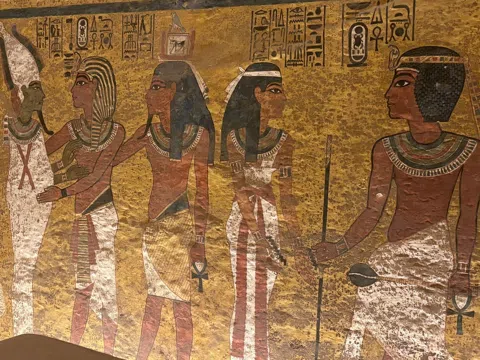
At six in the morning in October the limestone on the West Bank is still cool to the touch, and the guards unlocking the tomb gates wear fleeces. By two in the afternoon the same rock has given back everything the sun put into it, and the Theban hills work like the inside of a kiln. October is not a cool month in Luxor, but it does have a usable morning, and most of what makes a trip here work is spending that morning properly.
The shape of an October day
The first half of the month still reaches the mid-30s Celsius in the afternoon, easing towards the low 30s by the end, with nights near 20. Humidity stays low, which is why a 35-degree afternoon here is tolerable in a way the same number would not be on a coast: shade works, and sweat evaporates. The walking between sites is manageable. The enclosed spaces are what catch people out. Rock stores heat and releases it slowly, so a painted burial chamber that felt pleasant at half past six is stale, still and several degrees warmer by eleven, with the breath of everyone ahead of you added to it.
Opening hours are the tool for dealing with that, and in October they are generous at the right end. Karnak runs 06:00 to 17:30, the Valley of the Kings 06:00 to 17:00. That leaves two clean windows, roughly 06:00 to 10:30 and 16:00 to closing, with four or five hours in the middle that belong indoors, in a museum or a shuttered room or a pool. Treat that middle as a fixed feature of the day rather than a failure of stamina and Luxor stops being punishing.
One scheduling detail is worth confirming before you fix an evening table or a late temple visit. Egypt has run summer time in recent years and puts the clocks back towards the end of October, which moves sunset an hour earlier overnight. Check the exact 2026 date rather than assuming your last evening will run like your first.
Plan your Luxor trip
Live prices from our booking partners.
Free cancellation on many rooms. We may earn a commission when you book.
Off the ground before the sun
Sindbad Balloons (launch fields on the West Bank, with pickups from hotels on both banks) is the one Luxor activity the October calendar improves rather than merely rescues. Pickup is around 05:30, you are over the necropolis for sunrise, and you are back on the ground by about eight with the whole cool part of the day still ahead of you. The operator is ECAA-licensed and has been flying since 2005, which is the question worth asking of any balloon company anywhere. Standard baskets take up to 28 passengers, the deluxe and comfort baskets up to 20, and private charters are available. Expect roughly €50-100 for a standard flight and €120-150 for deluxe or comfort.
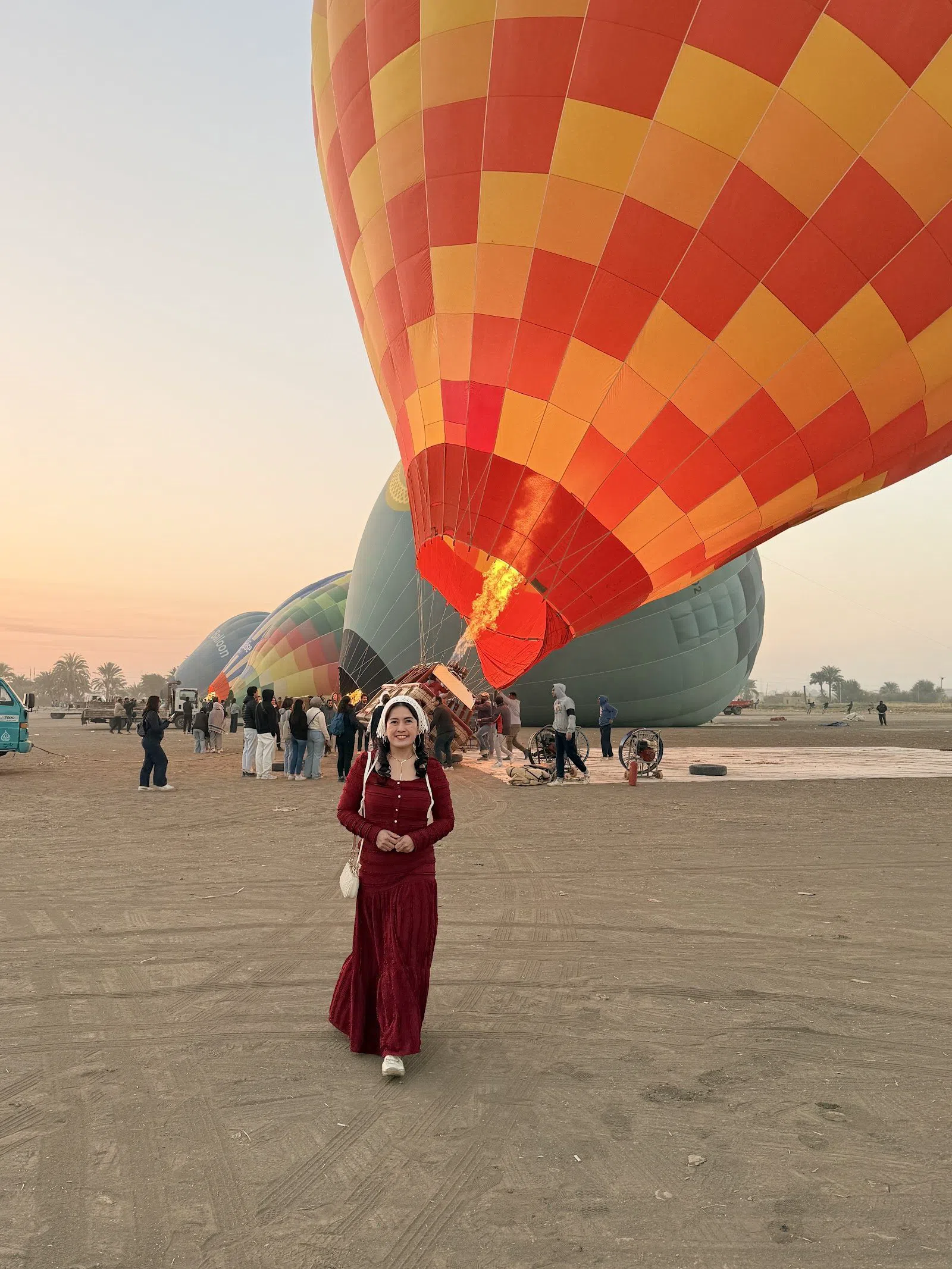
Twenty-eight people in a basket means rotating for the rail and photographing over shoulders. It is a good-natured scrum rather than a private dawn, and it suits a group far better than it suits two people who wanted a quiet hour. Couples should pay up for the smaller basket or charter outright. Then do the arithmetic on the rest of the day. A flight eats the best hour on the ground, so either make it that morning's headline and start the temples at eight, or fly on a day when the Valley of the Kings is not also on the list.
The first two hours in the Valley
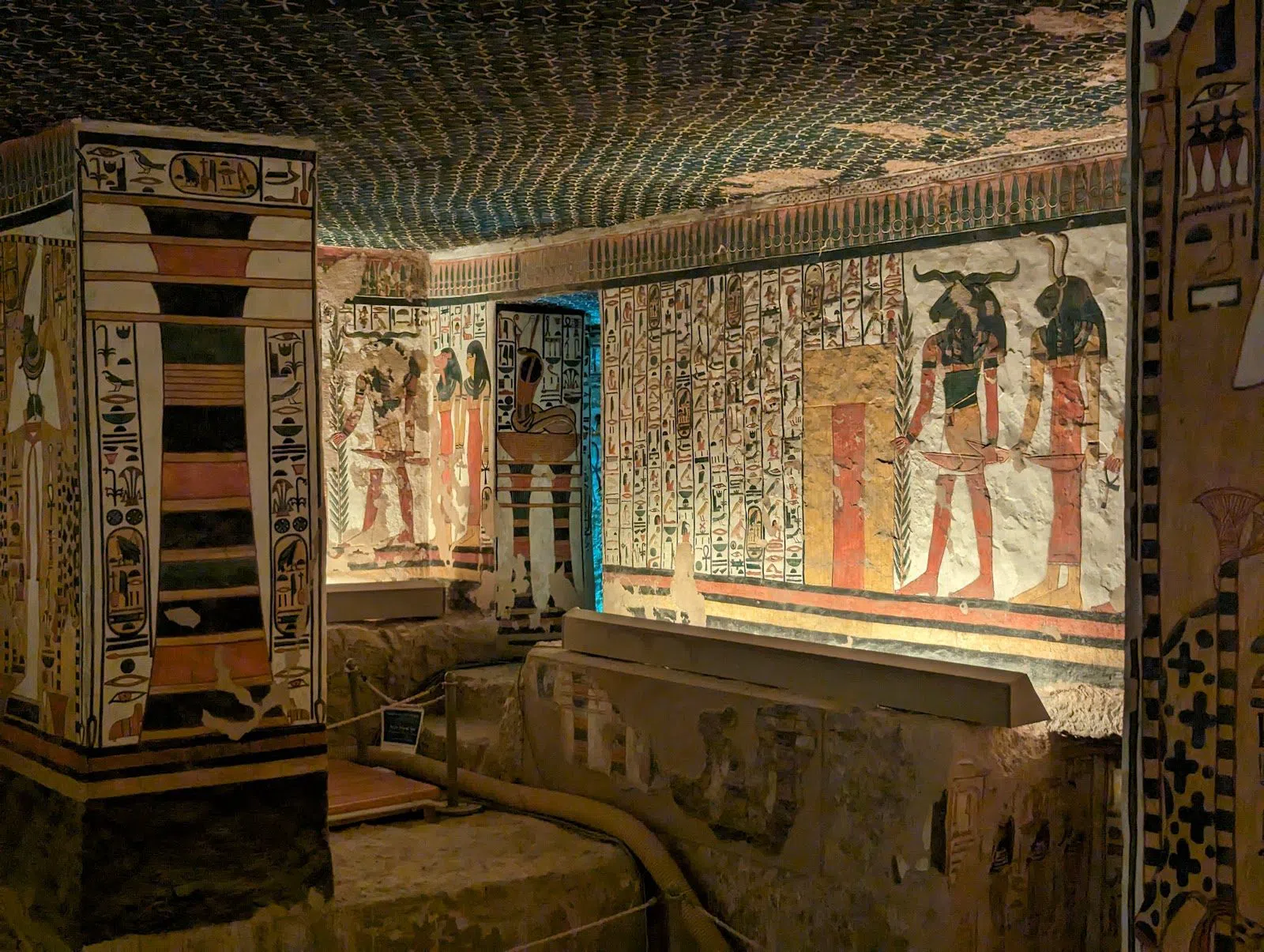
Valley of the Kings (West Bank, in the wadi behind the cliffs at Deir el-Bahari) is where October pays out most visibly. October hours are 06:00 to 17:00, and the first two hours carry the whole visit. Tomb interiors trap heat and get steadily worse as the day builds, so the gap between a 06:00 arrival and a 09:30 one has little to do with queueing. It is the difference between studying a ceiling in comfort and shuffling through a warm corridor wanting to be outside.
The standard ticket is around 600 EGP and admits you to three tombs of your choice from those open that day. Tutankhamun is a separate ticket at roughly 700 EGP, and Seti I costs about 2,000 EGP on top. Seti I is the finest painted tomb open to the public and the price is not a joke, so treat it as a considered purchase rather than an impulse at the gate.
Coaches are accepted and the valley floor absorbs them, but the tombs themselves are narrow and hot, and guides are required to brief outside and stay out. Inside, everything is single file. The guided version of this site is therefore a talk in the sun followed by a solo walk, and a good guide earns their fee before you go underground rather than during. Small parties and couples have the easier time here by some distance.
The shadeless terraces at Deir el-Bahari
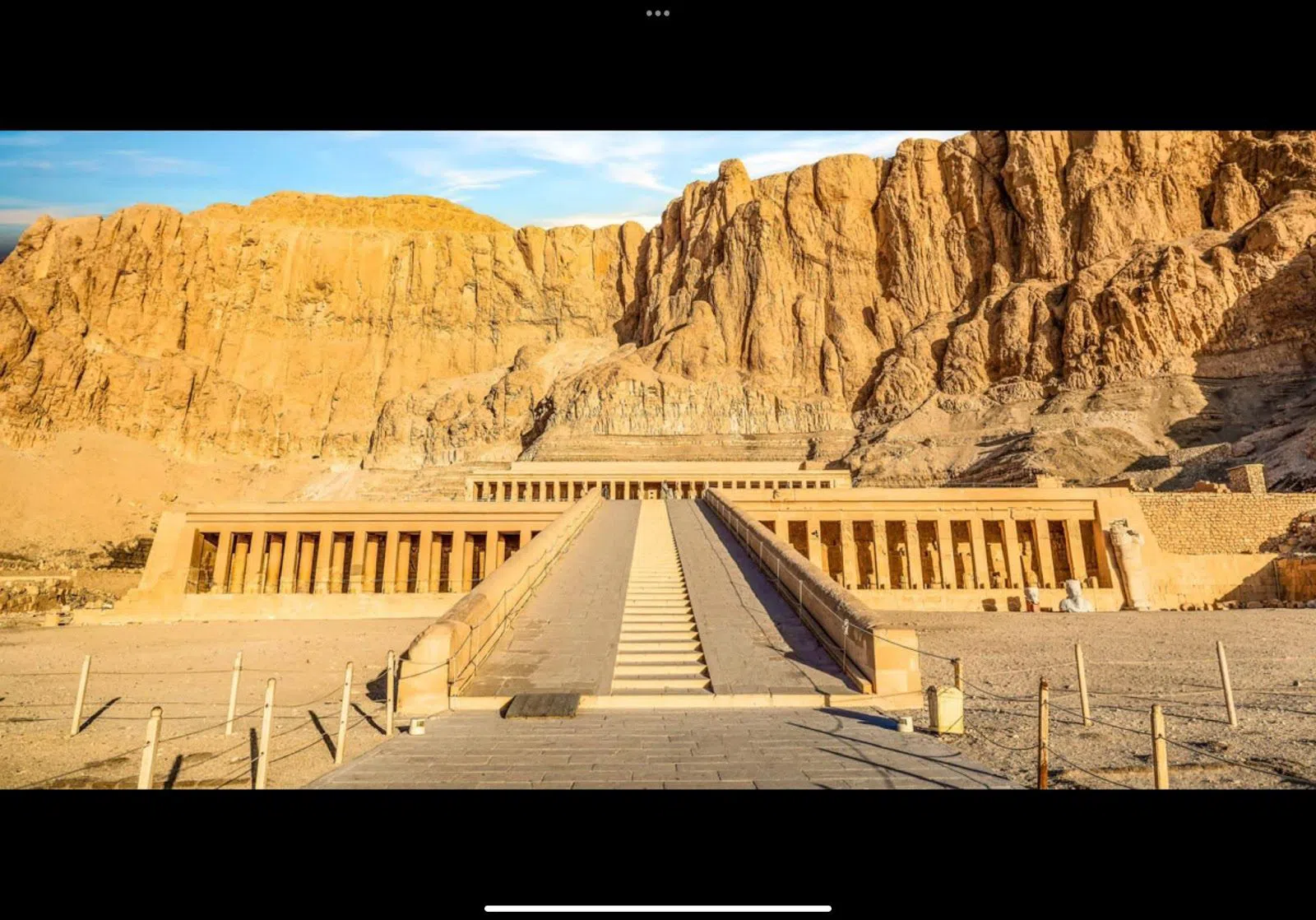
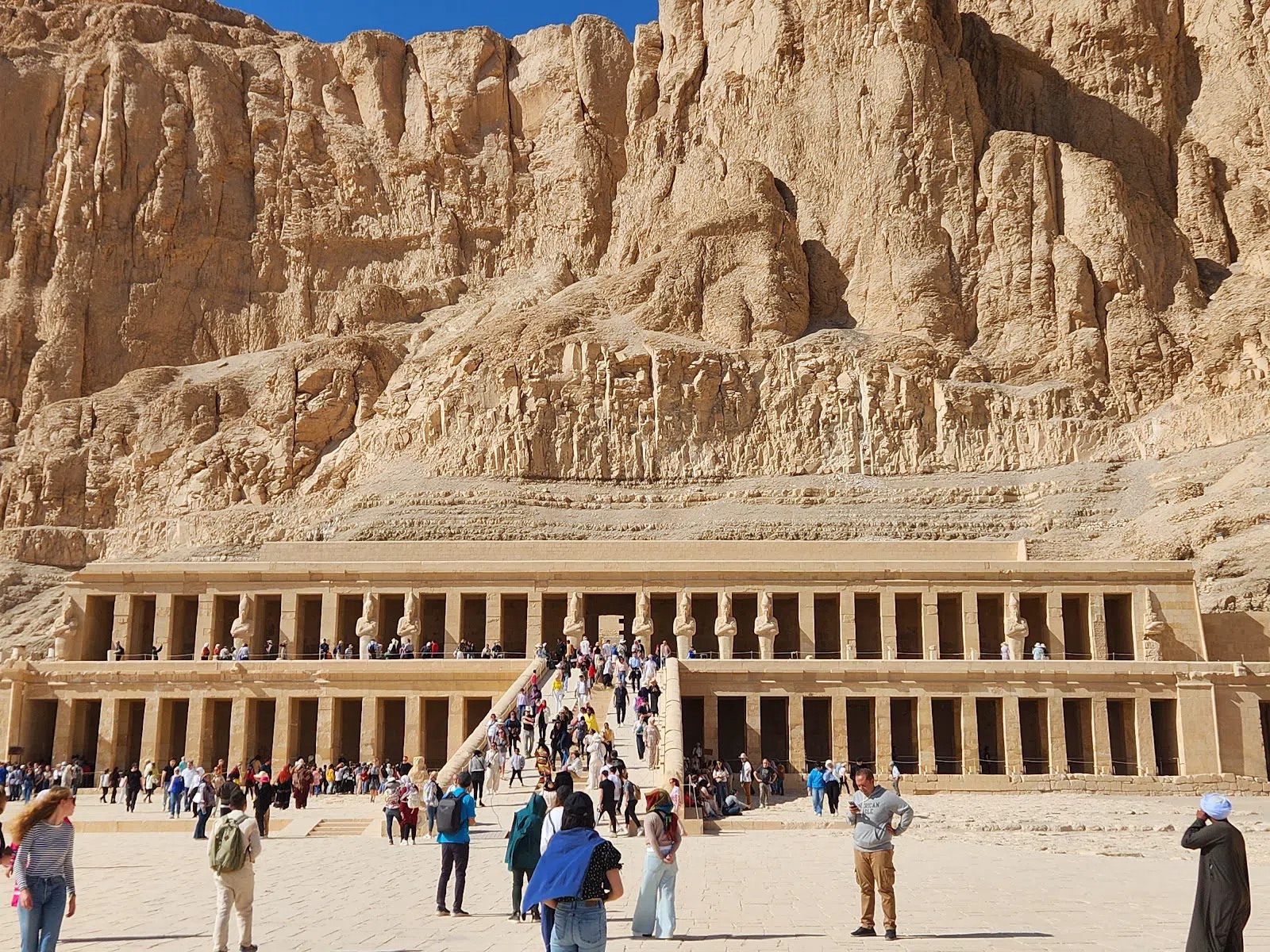
The Temple of Hatshepsut (Deir el-Bahari, ten minutes from the valley gate) was built for processions and swallows groups without strain. Shuttle tuk-tuks run from the car park to the entrance, which saves a pointless walk across open ground. Tickets run roughly 400-450 EGP.
The complication is exposure. The terraces have no shade at all and the cliff behind them radiates stored heat by late morning, turning the upper level into a reflector oven well before noon. Go first thing, straight after the Valley of the Kings, or leave it out of the morning entirely and take it in a late-afternoon slot when the rock is at least no longer gaining. It is one of the few West Bank sites better taken second than first.
The quieter half of the West Bank
Most visitors do the Valley and Hatshepsut and go home for lunch, which leaves the rest of the West Bank unusually calm around ten in the morning.
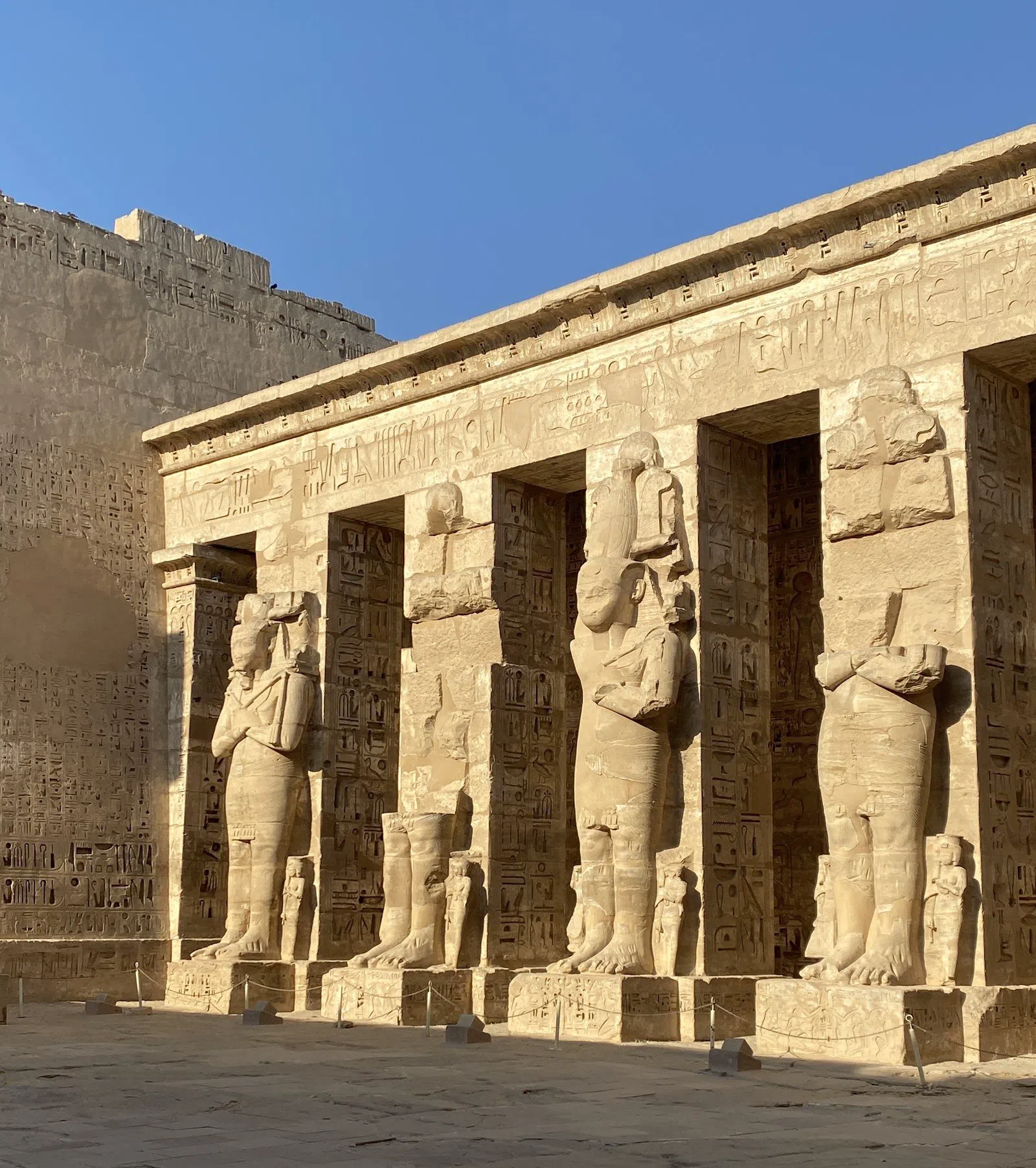
Medinet Habu (Kom Lolah, southern West Bank) is the natural second act, at around 220 EGP. It holds the best surviving paint on the West Bank, colour still sitting in the carved reliefs of the great courts, and it is quiet enough that a coach party never feels packed. The courts have real volume, so groups spread out instead of bunching.
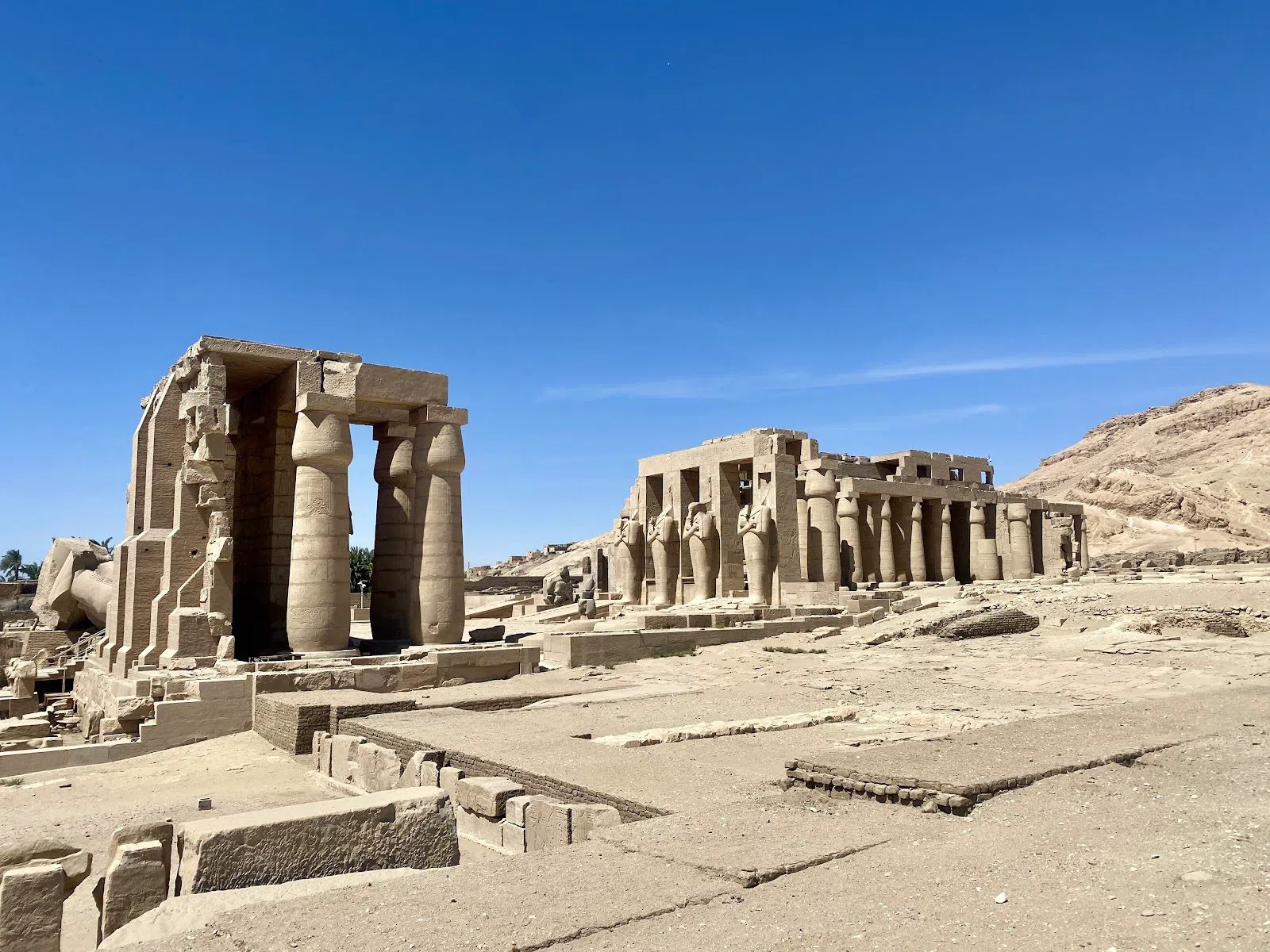
The Ramesseum (near Sheikh Abd el-Qurna) is also about 220 EGP and is often nearly empty. Half-ruined, with the fallen colossus of Ramesses II lying in pieces and shade under the surviving hypostyle columns, it is the right low-effort stop when your legs have gone after the tombs. Groups have the run of it.
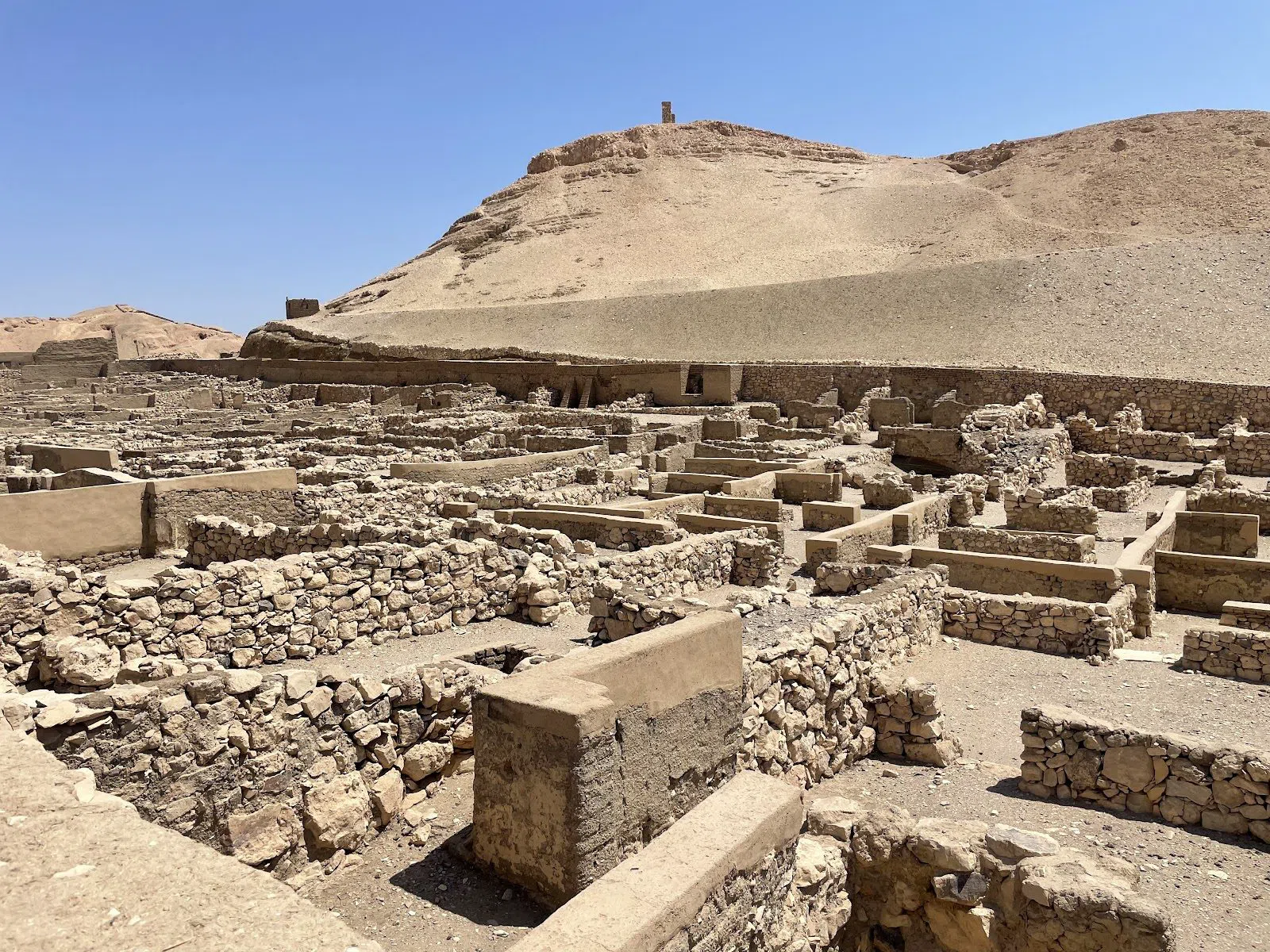
Deir el-Medina (the workmen's village, between the Ramesseum and the Valley of the Queens) costs around 220 EGP, with some tombs ticketed separately. This is the village of the men who cut and painted the royal tombs, and it works as the human counterweight to the pharaonic scale of everything else: houses, a street, and small tombs decorated by craftsmen for themselves. The burial chambers take a handful of people at a time, so a large group has to rotate through and somebody is always waiting outside in the sun. Keep the party small or accept the queue.
Valley of the Queens (southern end of the necropolis) is around 220 EGP for the valley, and the reason people come is the Tomb of Nefertari, QV66, which carries a supplement of roughly 2,500 EGP. Numbers admitted at once are very small and there is a strict 10-15 minute cap inside. Daily tickets are capped at a hard number, so buy at the West Bank ticket office early in the day or you will simply not get in. This is not a site to try to do as a group of twelve.
Karnak before the coaches
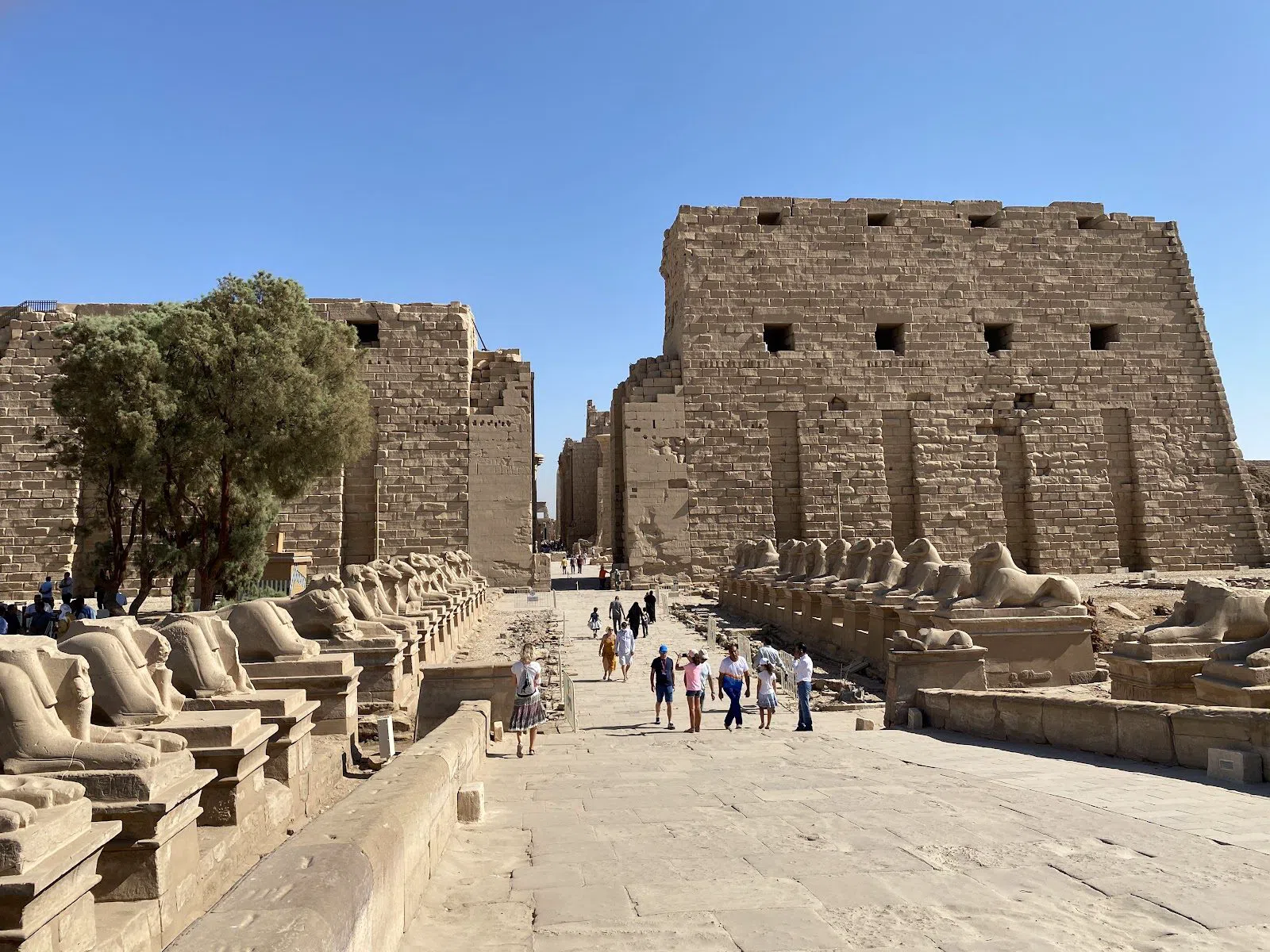
Karnak Temple (Precinct of Amun-Re, at the northern end of the East Bank) is open 06:00 to 17:30 in October, and a 06:00 entry buys you the hypostyle hall very nearly alone. Guided groups cluster there between nine and eleven, and the Red Sea day-trip coaches arrive mid-morning, by which point the great columns are a slow-moving crowd taking the same photograph. Entry is around 600 EGP, and the Sound and Light show is a separate ticket at roughly 300 EGP.
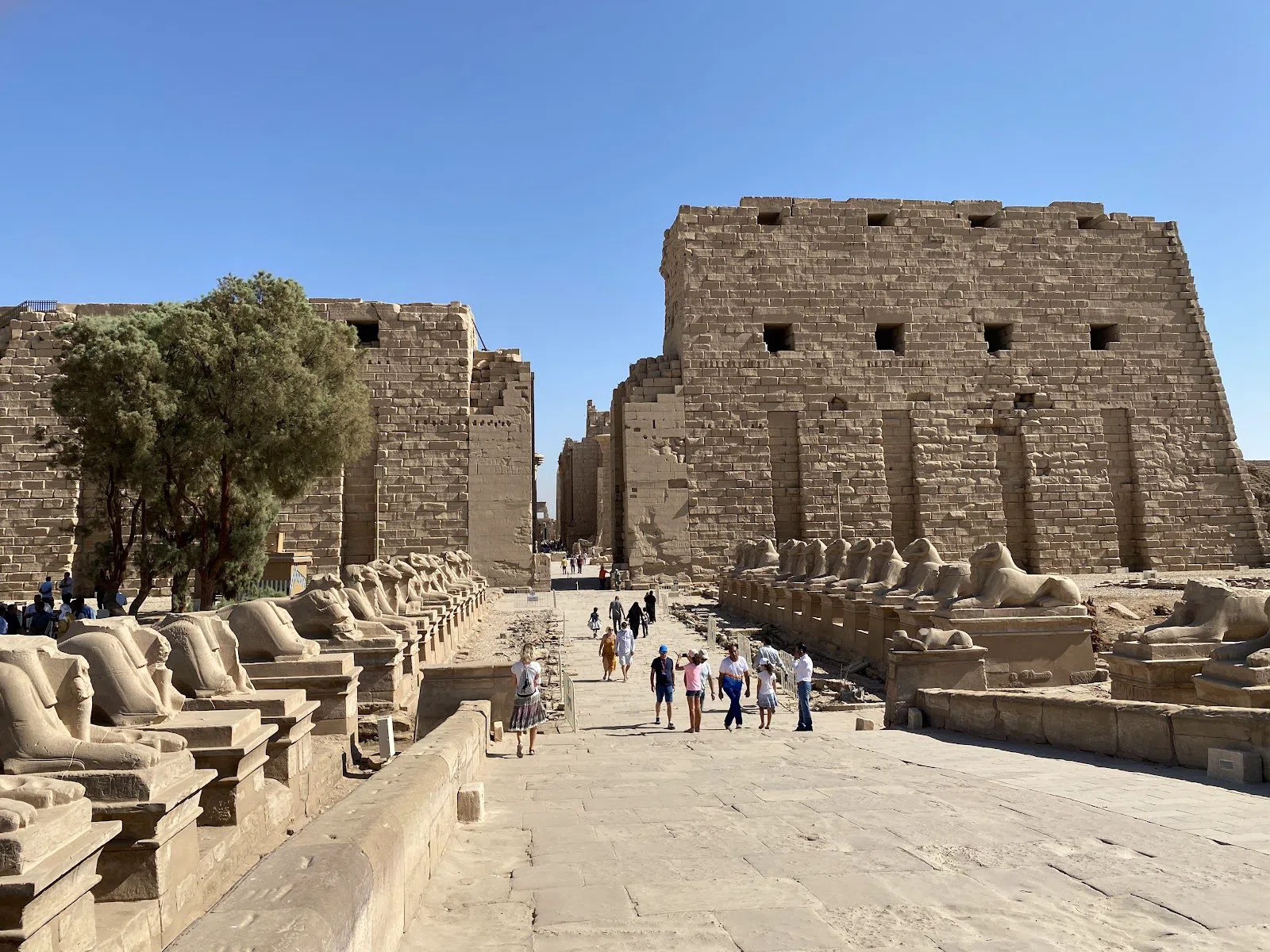
The site is large enough that it never feels closed-in, and there is no door policy of any kind: it takes coach parties all day and absorbs them. If your schedule only allows one dawn start on the East Bank, spend it here.
The middle of the day belongs indoors
This is the part of an October day people plan badly. Between about eleven and four you want walls and cold air, and Luxor has two good answers on the Corniche.
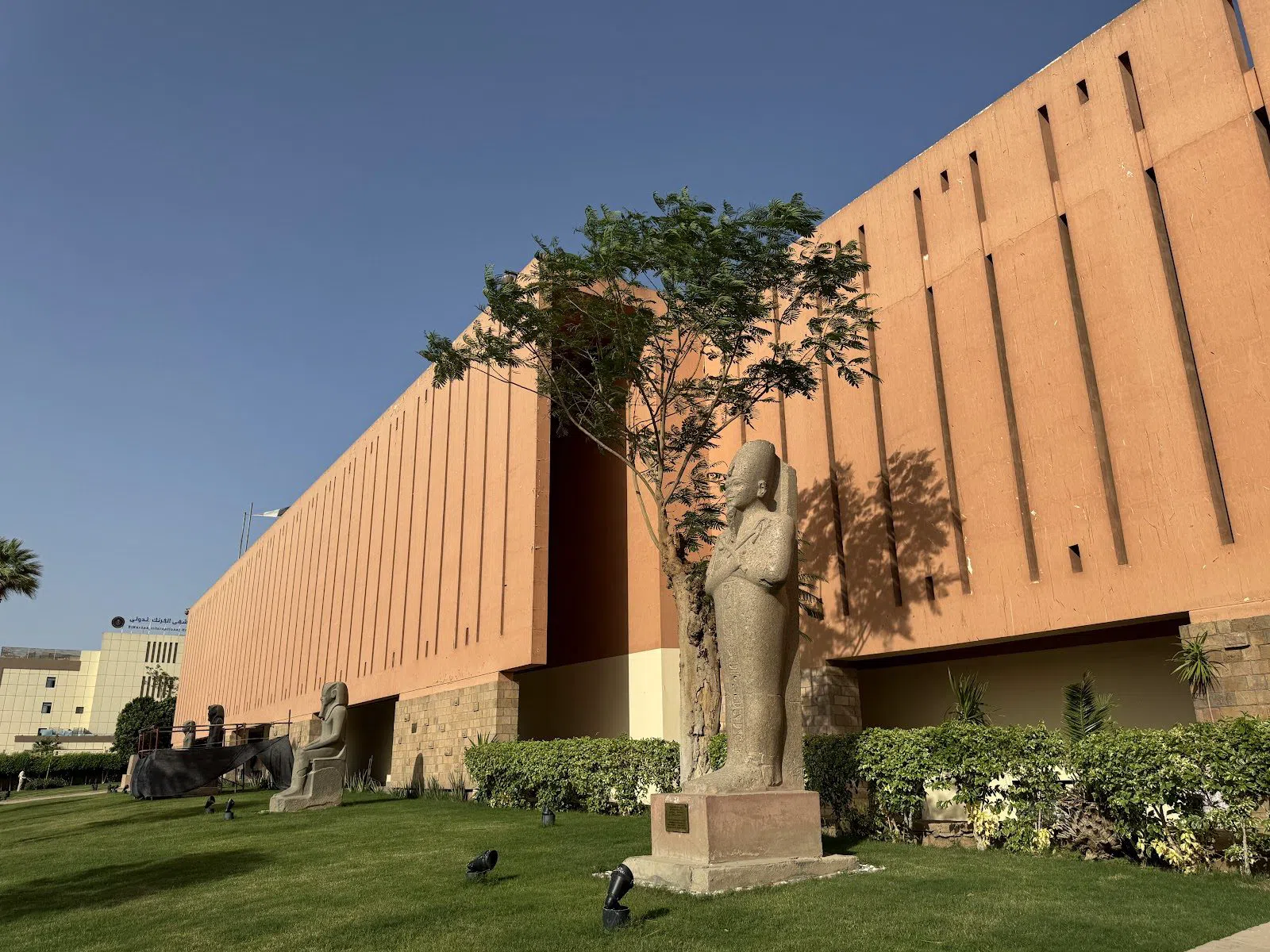
Luxor Museum (Corniche el-Nil, East Bank, between the two temples) is air-conditioned, compact enough to see properly in about 90 minutes, and roughly 300-400 EGP. It is comfortable for groups and reopens for an evening session, which makes it the right place to be while the temples are at their worst. The lighting and spacing are better than the scale of the collection would suggest.
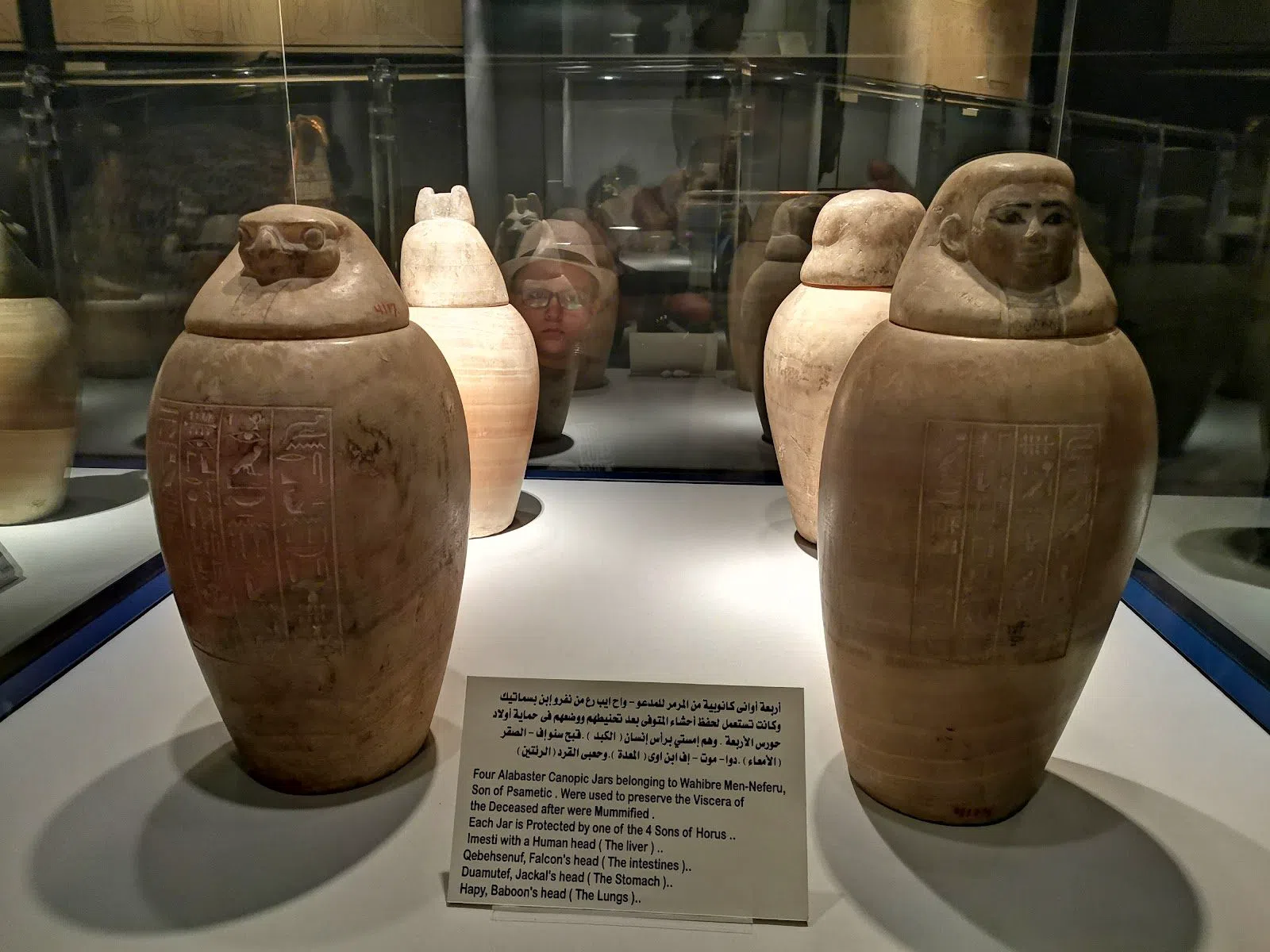
Mummification Museum (Corniche, East Bank, on the river side) is about 200 EGP and takes twenty focused minutes. It explains the tools, the resins and the process behind everything you have just walked through underground. The rooms are small, and a full coach group fills them wall to wall, so go in a handful or go during the evening session.
Luxor Temple after dark
Luxor Temple (central East Bank, directly on the Corniche) is the one major Egyptian site you can visit properly after dark. It stays open until 21:00, the ticket is around 400 EGP, and same-evening re-entry is included. Evenings are quieter than the daytime tour-bus window, the floodlighting on the columns is well judged rather than theatrical, and the air outside is finally moving. There is no restriction on groups.
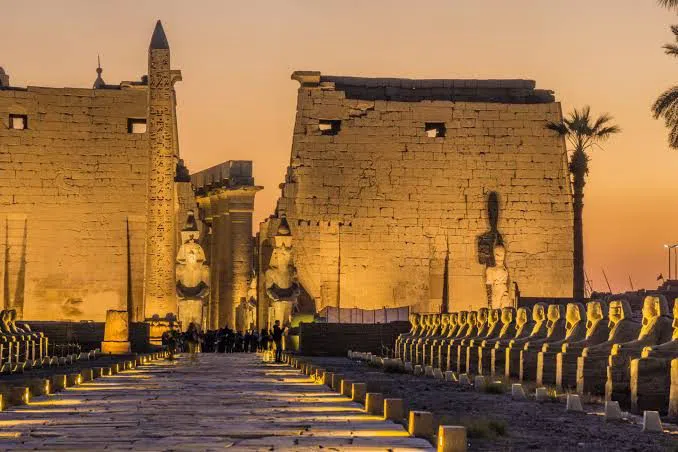
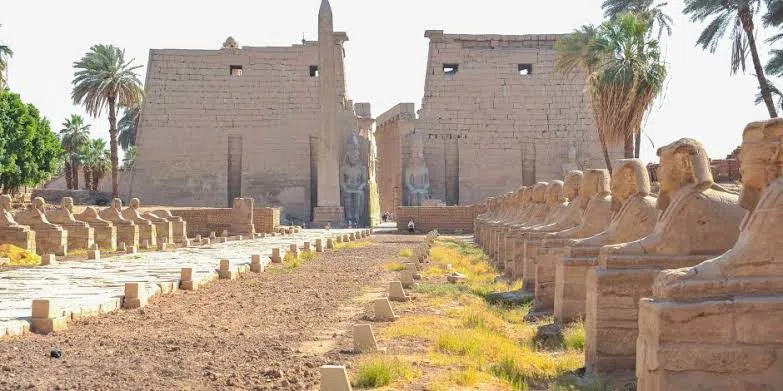
The Avenue of Sphinxes (the Rams Road, running between the two temples along Al-Kebash Road) has no ticket of its own and is free to walk with a Luxor or Karnak temple ticket. It reopened in November 2021 after a long restoration, and the full walk takes about an hour end to end. Do it after 16:00, or lit at night, never at midday, when it is a shadeless stone corridor with nothing to duck into.
Dinner, and the sunset table
Sofra Restaurant and Cafe (Sharia Mohamed Farid, a few streets back from the East Bank Corniche) is Egyptian home cooking done seriously (molokheya, stuffed pigeon, oven-baked tagines) and one of very few kitchens in the city that holds its standard night after night. Mains run roughly 200-400 EGP. It takes bookings and handles groups well. If you are more than four, reserve the roof terrace specifically rather than trusting the ground floor.
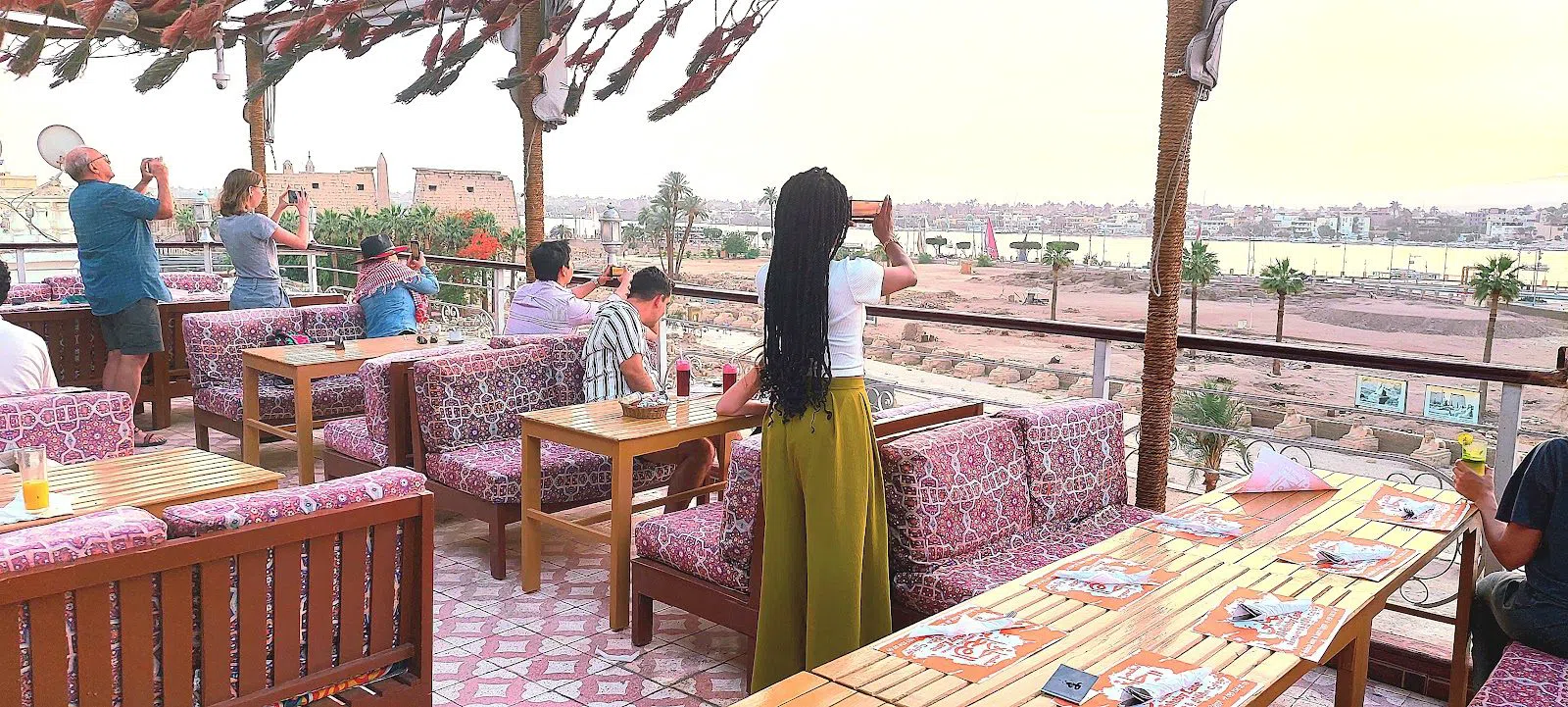
Al-Sahaby Lane Restaurant (Sahaby Lane, two minutes' walk from Luxor Temple) is the sunset table in Luxor, with mains around 150-300 EGP. The roof seats a decent-sized party and sunset tables go early in October, so book ahead. Plan it as a food-and-view stop: there is no alcohol licence worth relying on, and being surprised by that at 18:00 with a group in tow is nobody's idea of an evening.
Where to sleep, and why the bank matters
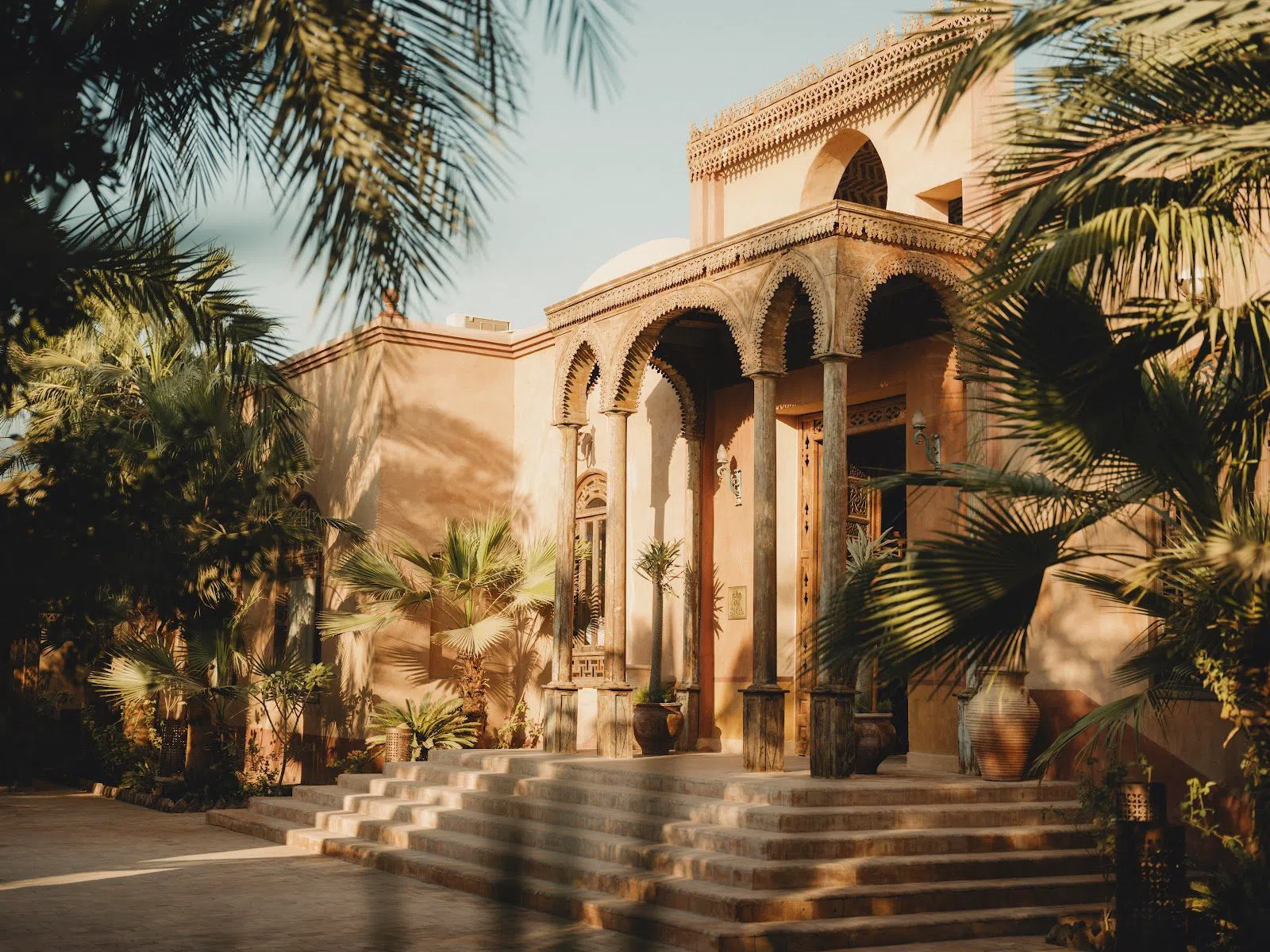
Staying on the West Bank removes the morning ferry-and-taxi scramble from every single day, which is the largest single pacing improvement available in Luxor. Al Moudira Hotel (Kom Lolah, West Bank, near Medinet Habu) is the serious option, a Relais and Châteaux property in gardens, from roughly €200 a night, taking small groups and non-resident diners by arrangement. Book the dinner in advance if you are not staying.
The case for the East Bank is real. It puts you within walking distance of Luxor Temple, the museums, both restaurants above and the evening life of the Corniche, and it is where the mid-range and budget rooms are. Broadly, West Bank for early starts and quiet, East Bank for evenings and value. Compare both sides before you commit with a Luxor hotel search.
Practical notes for October
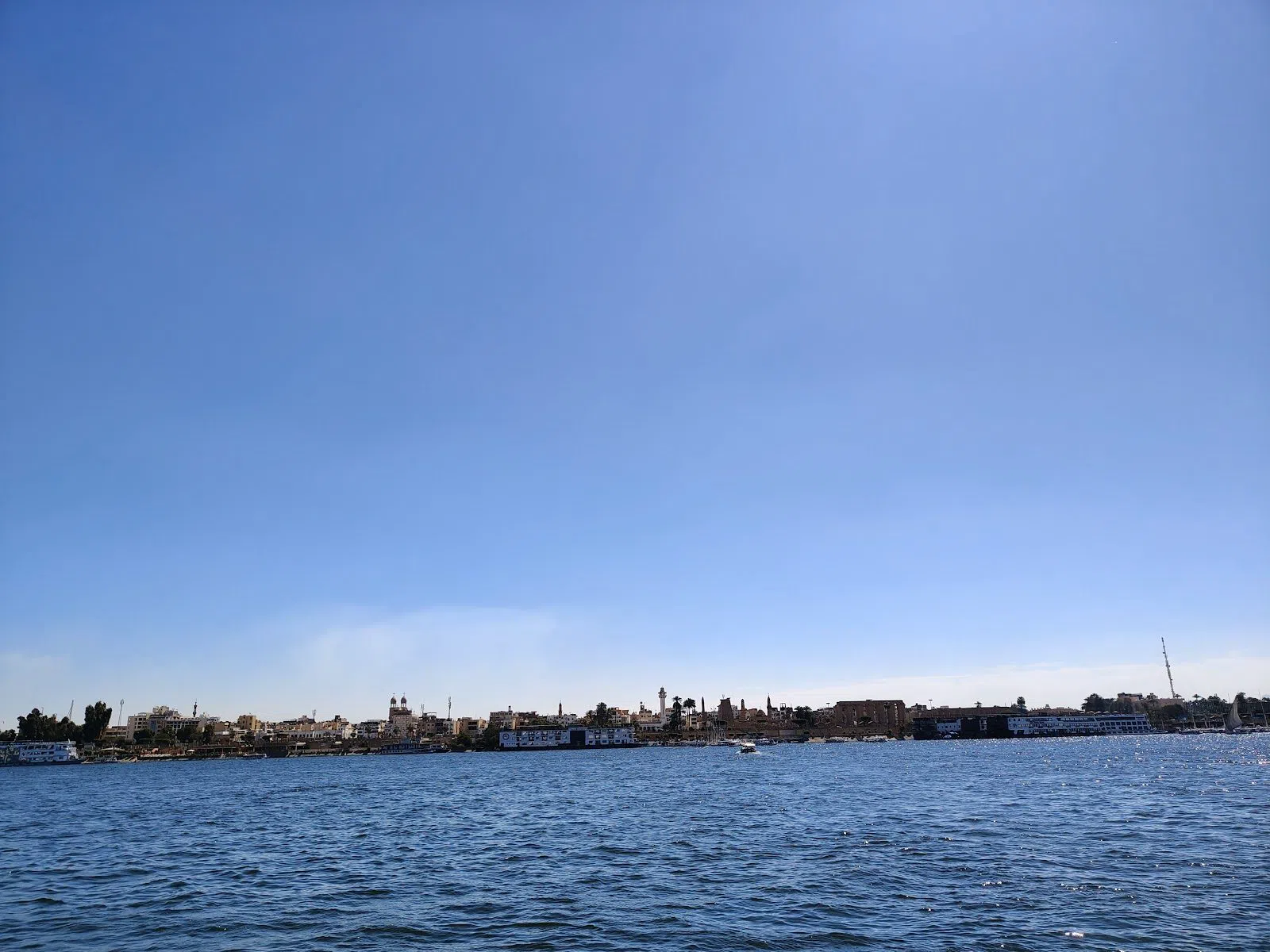
Crossing the river. Take the Luxor Nile Public Ferry (Corniche landing on the East Bank, opposite the West Bank jetty). It costs around 15-25 EGP per crossing for foreigners, runs roughly every half hour and effectively round the clock, boards anyone without reservations, and a group can walk straight on. Agree the fare before you board. Do not let a driver route you over the bridge instead. That detour costs the better part of an hour each way, which is exactly the hour you got up at five to protect.
Cash. Carry Egyptian pounds in small notes. Site ticket offices, the ferry, tuk-tuks and the West Bank generally are cash-first, and card acceptance thins out fast once you cross the river. Buy Nefertari and any separately ticketed tombs at the West Bank ticket office at the start of the day, not when you arrive at the gate.
Timing. Gate at 06:00, tombs before 08:30, second temple by 10:00, indoors from 11:00 to 16:00, Avenue of Sphinxes at dusk, Luxor Temple after dark, dinner at nine.
Rough budget. A full West Bank morning (Valley of the Kings standard ticket, Hatshepsut, Medinet Habu, ferry both ways and a taxi between sites) lands near 1,500 EGP per person before extras. Add 700 for Tutankhamun, 2,000 for Seti I, 2,500 for Nefertari. Karnak and Luxor Temple together are about 1,000 EGP, a museum 200-400, dinner 200-400, and a balloon €50-150 depending on basket. Two full days covers the essentials without rushing, and three lets you use the late-afternoon window properly and see the quiet temples at their best.
For context on the rest of the city, seasons either side of October, and how the banks fit together, see the Luxor guide.
Before you go
How hot is Luxor in October?
Afternoons still reach the mid-30s Celsius in the first half of the month, easing towards the low 30s by the end, with nights around 20. Humidity is low, so shade works and the walking is fine. The problem is enclosed tomb interiors, which trap heat and get hotter as the day goes on.
What time should I start a West Bank day in October?
At the gate for 06:00. The Valley of the Kings opens 06:00-17:00 in October, and the first two hours matter most. Finish the tombs by about 08:30, add Hatshepsut or Medinet Habu by mid-morning, and be indoors from around 11:00.
Do I need to book the Tomb of Nefertari in advance?
You cannot book it online, so buy early. Daily tickets for QV66 are strictly limited, the supplement is roughly 2,500 EGP on top of the Valley of the Queens ticket, and only a few people go in at a time, with a 10-15 minute cap inside. Buy at the West Bank ticket office at the start of the day.
Ferry or bridge to the West Bank?
Ferry. The Luxor Nile public ferry costs around 15-25 EGP per crossing for foreigners and runs roughly every half hour, effectively round the clock. You do not need to reserve. The bridge detour by taxi takes the better part of an hour each way. Agree any fare before boarding.
Can I visit any temples after dark?
Luxor Temple stays open until 21:00. The ticket is around 400 EGP and includes same-evening re-entry, so it is the one major site you can do properly at night. Karnak runs a separate Sound and Light show at about 300 EGP. The Avenue of Sphinxes is free to walk with a Luxor or Karnak ticket, best after 16:00 or lit at night.