The Luxor issue
Taking Older Parents to Luxor Without Wearing Them Out
A Luxor plan built around flat ground, early starts and air conditioning. Which temples reward the effort, which tombs to skip, and where the beds and dinner tables have no stairs.

By Hanne VermeerReading Luxor the way it was built
Luxor is flat, which is the first piece of good news for anyone travelling with parents in their seventies or eighties. The difficulty here is almost never gradient. It is heat, the distance between things, and the temptation to see four temples in a day that should hold two. Plan around those and the city gives up its best hours easily: a temple at six in the morning with the light still low, another floodlit after dinner, and the punishing middle of the day spent sitting down somewhere cool.
Choose the bed before the itinerary
Where you sleep in Luxor decides how much of each day is spent in a vehicle, and when energy is the scarce resource that decides most of the trip. Four properties cover nearly every version of it.
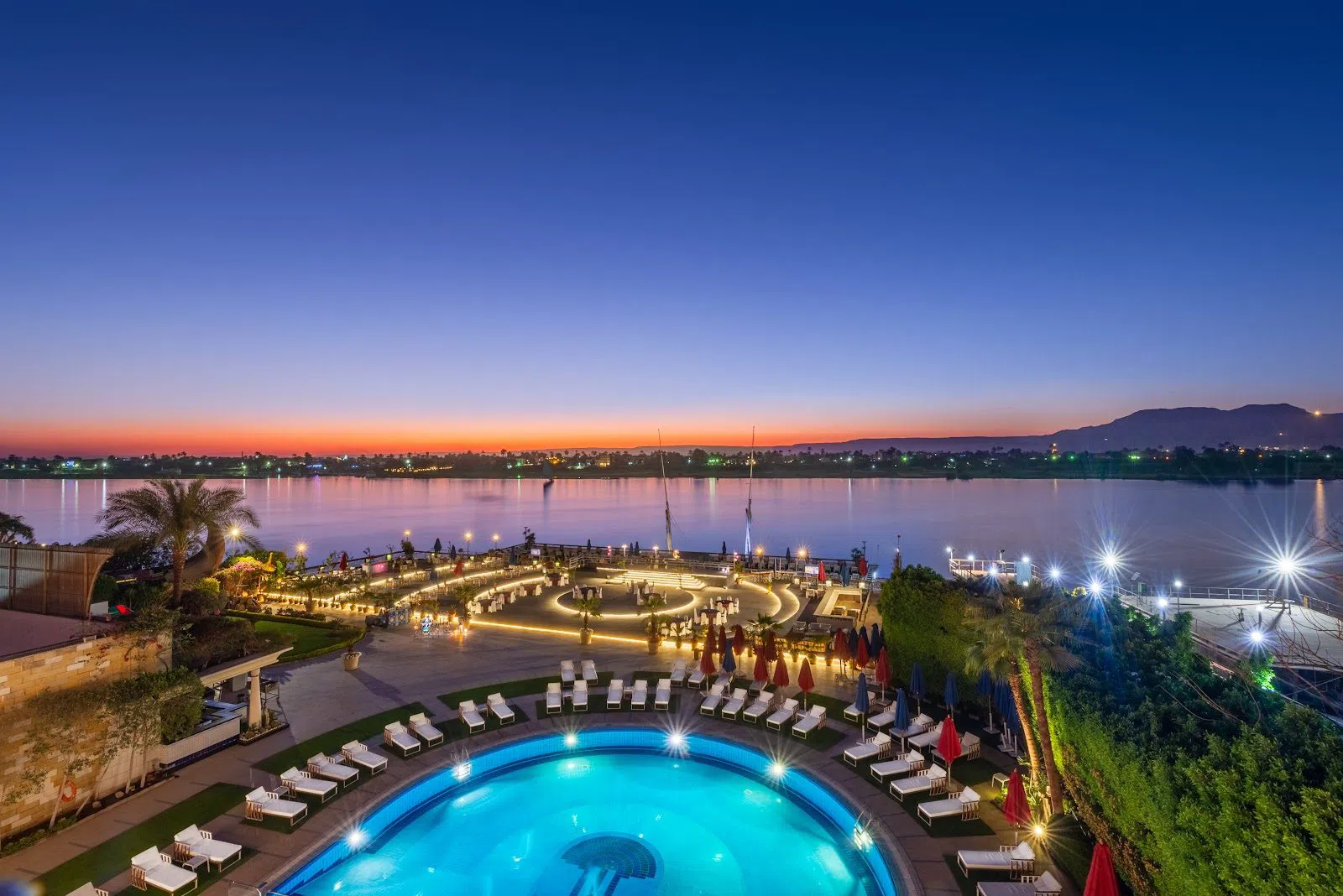
Sonesta St. George Hotel Luxor (Corniche, town centre) sits under a mile from the main town temple, which sounds like a minor convenience and is not. Short transfers mean an outing starts and ends in five minutes rather than thirty, and they make the mid-afternoon retreat possible: the hour lying down that turns a wilting day back into a good one. There are lifts throughout and level access to the terrace; ask for a Nile-side room on a low floor. Tour operators and pilgrimage parties use it regularly, so the staff are entirely unfazed by a party of six moving slowly. Rates run roughly £70–140 per room per night.
Hilton Luxor Resort & Spa (north of the centre, riverside) is the one built to modern standards throughout: lifts, step-free public areas, adapted rooms, accessible parking. Access needs are arranged directly with the property after booking, and that matters, because adapted rooms are limited and the online booking path does not guarantee one. Get the confirmation in writing before you fly. Around £100–200 per room per night.
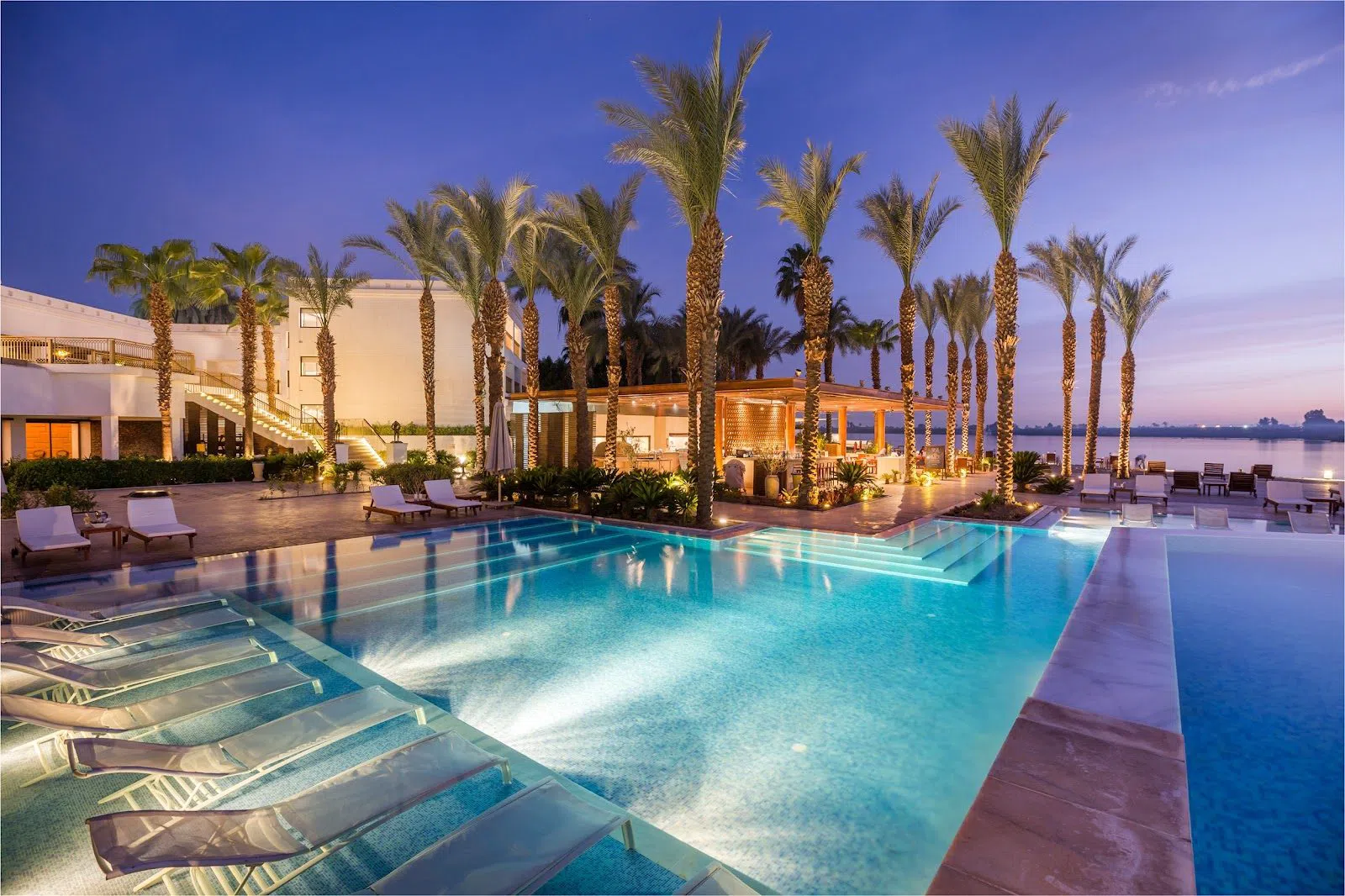
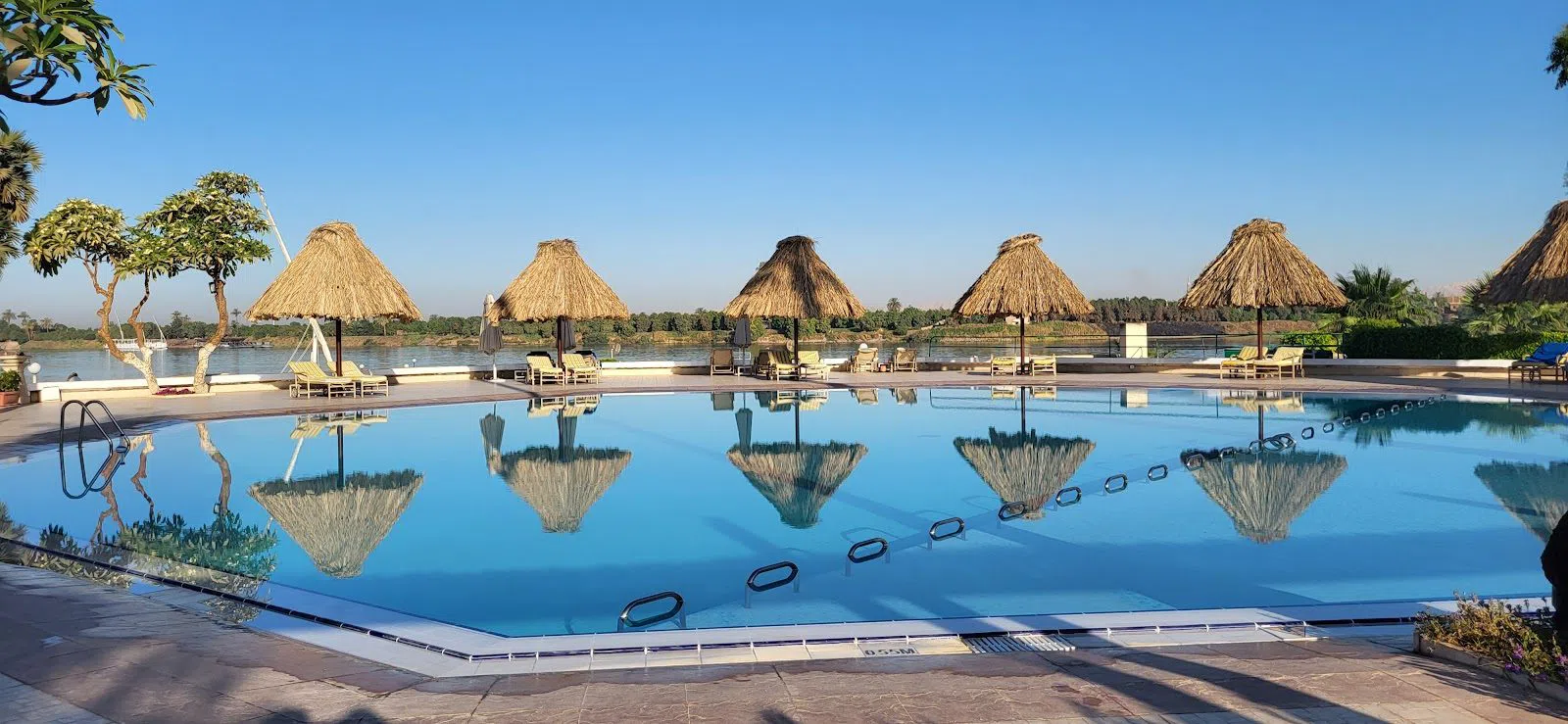
Jolie Ville Hotel & Spa Kings Island Luxor (Kings Island, in the river south of town) is the least stair-bound bed in the city: 531 rooms across 32 bungalows, ground-floor rooms and flat garden paths, and enough space that a large extended family fits without anyone sharing a lift. The island setting is genuinely quiet. The trade-off is unavoidable. Every trip into town needs the boat plus a transfer, so it suits a deliberately slow schedule and not a packed one. Roughly £60–130 per room per night.
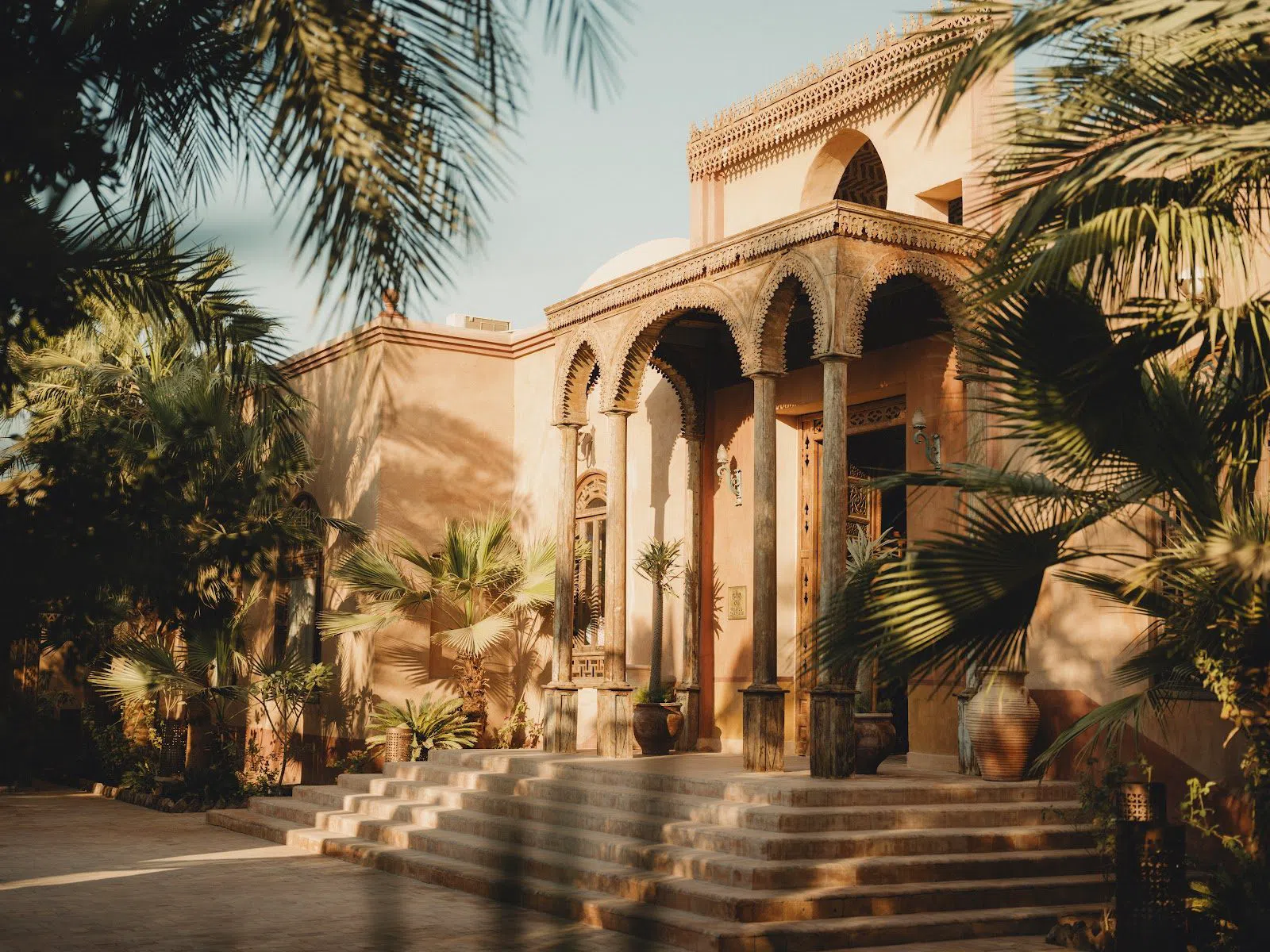
Al Moudira Hotel (West Bank, near the cultivation) is the most characterful place to stay in Luxor, a Relais & Châteaux member on the same side of the river as the tombs, a short drive to the Valley rather than a crossing and a drive. Be clear-eyed about the building, though. Courtyards, thresholds and level changes are part of what makes it what it is, and none of it is step-free. Ask for a ground-floor room near the main courtyard, and treat it as a small-party hotel rather than a coach-group one. £150–280 per room per night.
If dates are tight or those four are full, compare what else is available in the Luxor hotel search, but hold the same two tests: how far is it from the town temple, and does the room you are given require stairs.
Plan your Luxor trip
Live prices from our booking partners.
Free cancellation on many rooms. We may earn a commission when you book.
The two temples in town, at the right hours
Karnak Temple Complex (north end of the East Bank) opens at 06:00, which is worth building the whole trip around. The site is flat, but it is enormous, and the first ninety minutes after opening are the only genuinely cool ones. Entry is EGP 300 per adult, last entry 16:00, gates close at 17:00. Coaches arrive all day and the wide processional axis swallows them, so crowding is rarely the problem. Distance is. Walk the avenue, take the Hypostyle Hall slowly, and turn back. The Open Air Museum and the sacred lake add real, exposed walking for a modest return, and skipping them costs you very little. Licensed guides are admitted freely and there is no door policy, so a private guide for the first morning is easy to arrange and worth the money: someone who knows which columns to stop at will save you a kilometre of aimless wandering.
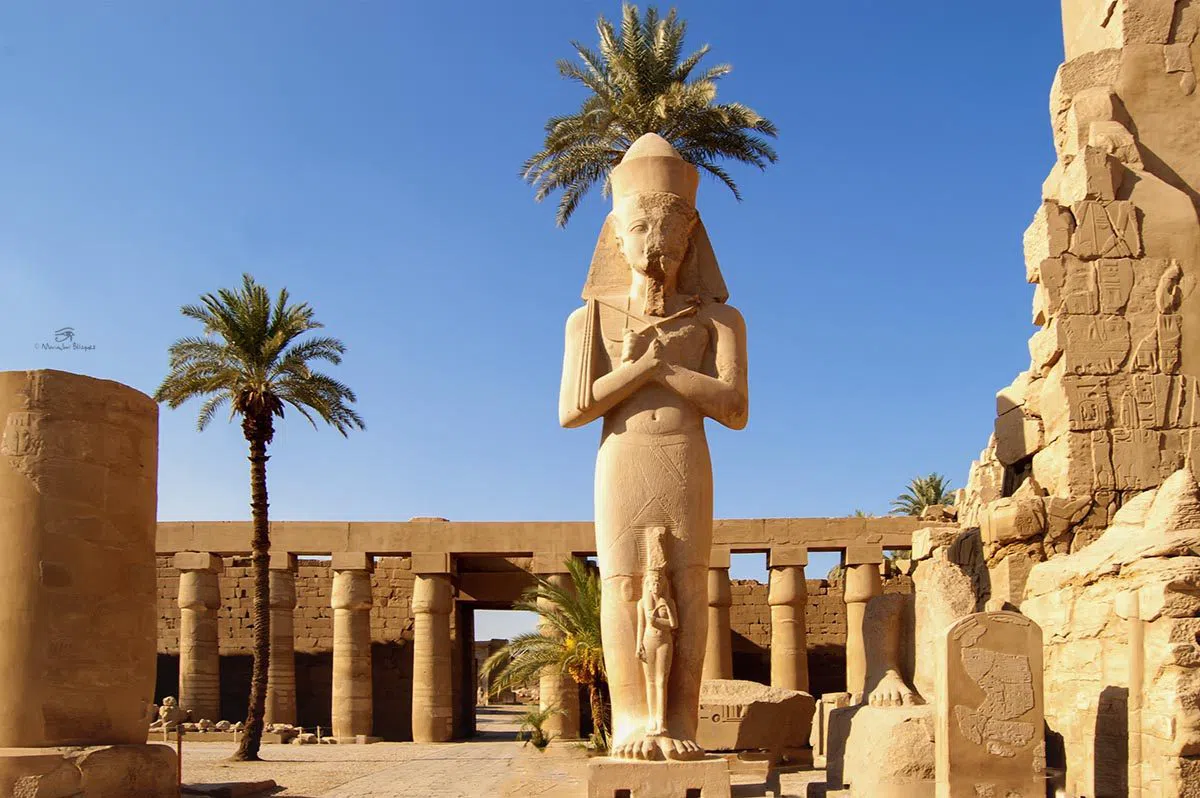
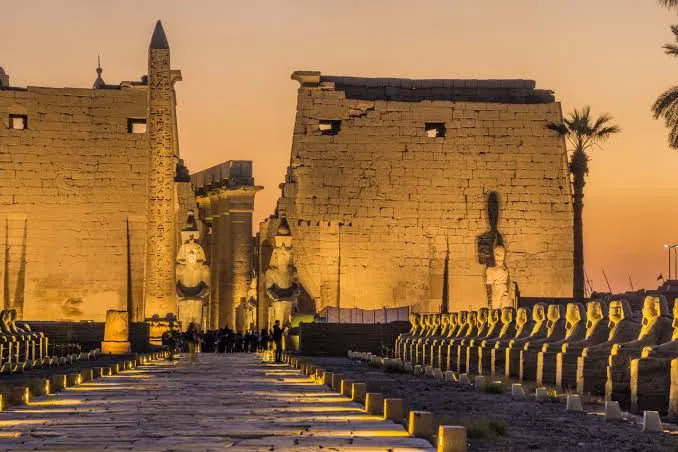
Luxor Temple (Corniche, town centre) is the one major temple open until 21:00, and its EGP 400 ticket allows re-entry the same evening at no extra cost. That single rule does more for an older visitor than anything else in the city. Take twenty minutes there in daylight, go back to the hotel, and return after dinner when the stone is floodlit and the air is bearable. The walk is level, the site is compact, and because it sits in the middle of town there is no long transfer waiting at the end of a tiring day.
The hottest hours belong indoors
Between roughly 11:00 and 16:00 the choice is a cool room or a bad afternoon. Two museums make that hour count as sightseeing rather than surrender.
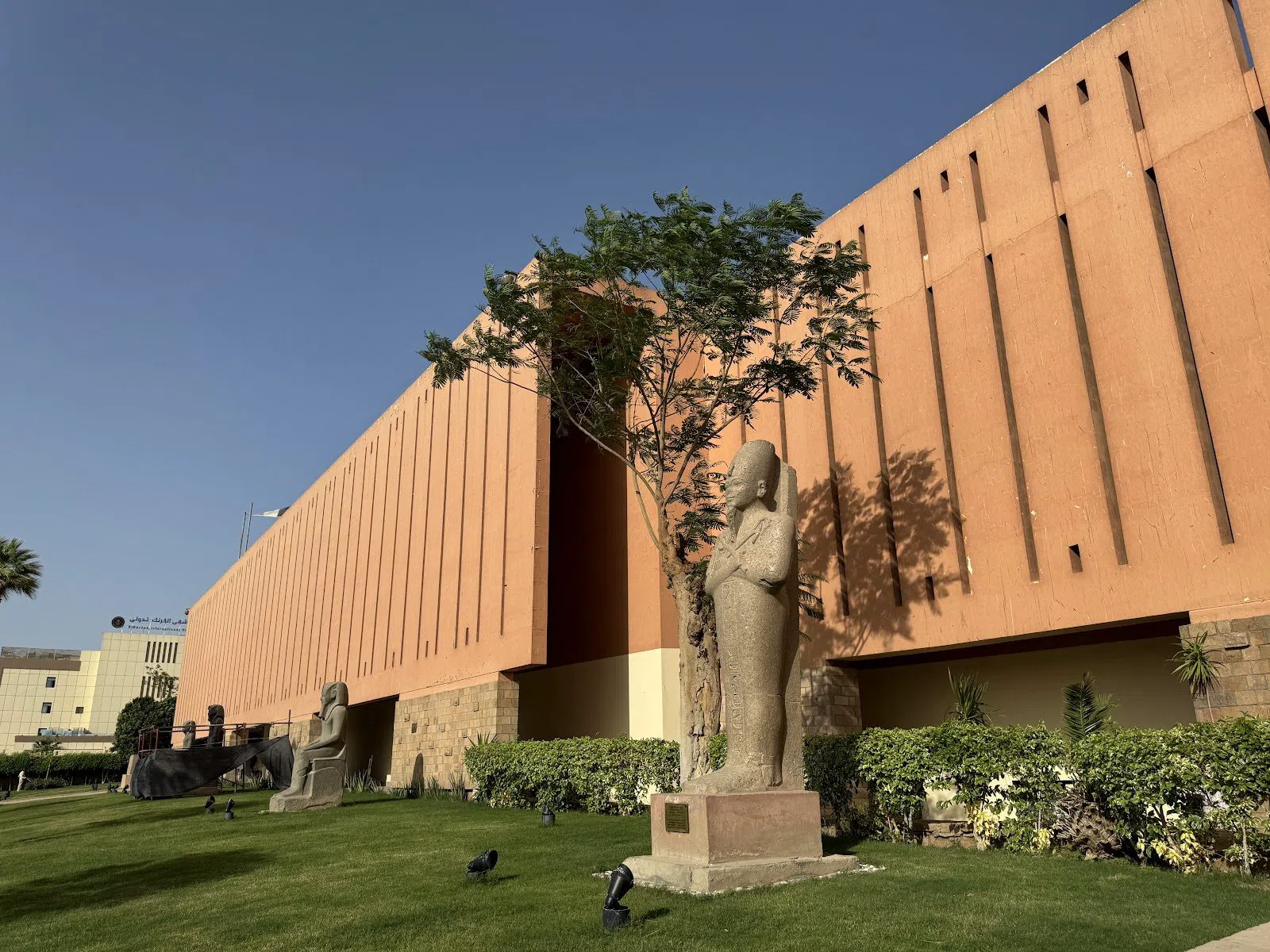
Luxor Museum (Corniche) is air-conditioned, compact, and fitted with a lift and accessible toilets, which makes it the natural place to put the hottest part of the day. Entry is around EGP 400 per adult. It runs two daily sessions, roughly 09:00 and again from 17:00, with last-entry times that shift by season, so check before you travel out. Arriving at a shuttered door in the heat is exactly the kind of small failure that ends a day early. Small parties are fine; a full coach makes the galleries feel tight.
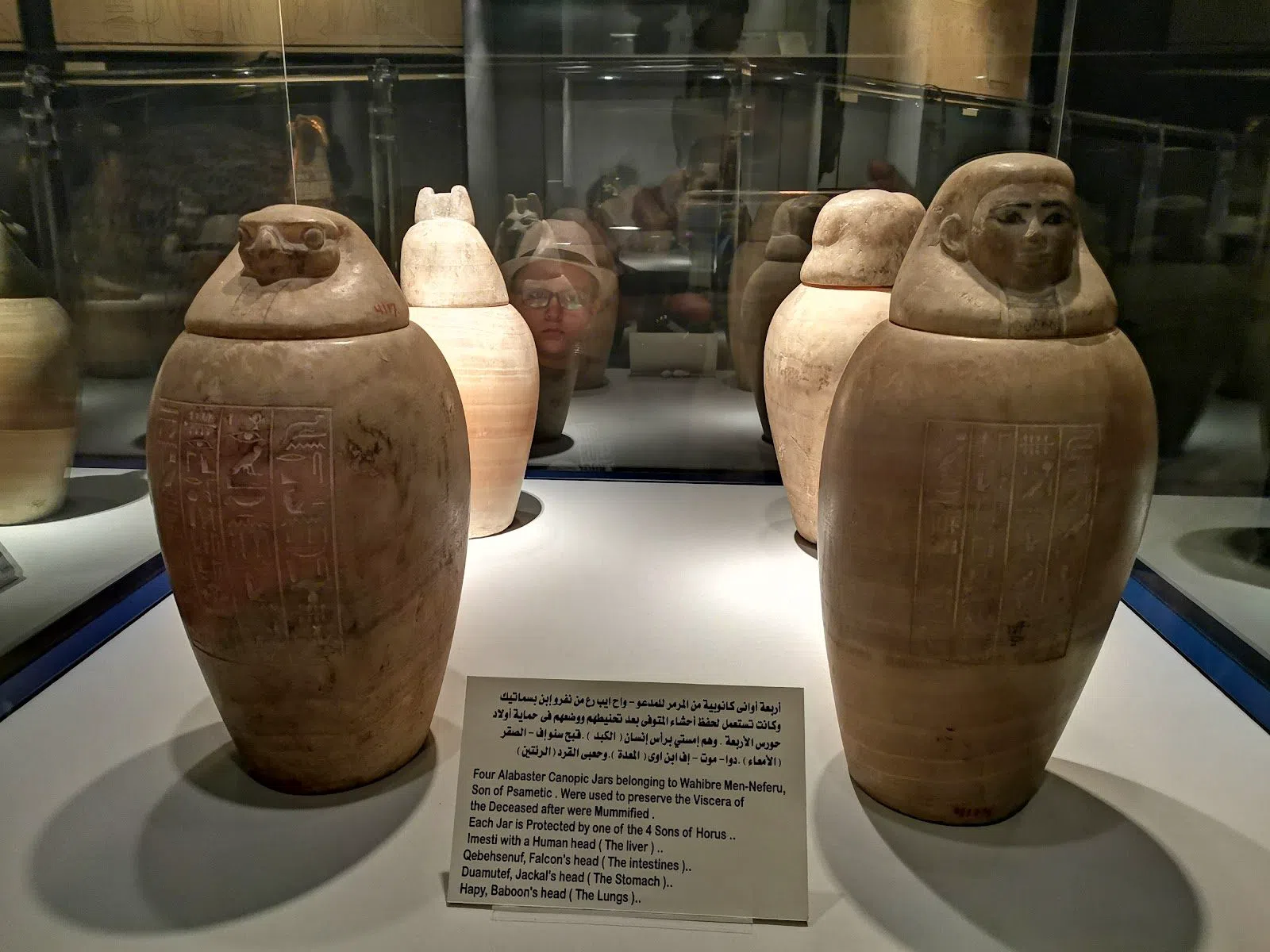
Mummification Museum (Corniche, just north of the town temple) covers one subject properly in one cool room, for about EGP 200 per adult. It is open daily 09:00–14:00 and 17:00–21:00, with the ticket window shutting at 13:00 for the morning session. Forty minutes is the natural length of a visit, which is why it works so well: a rest stop that nobody has to call a rest stop. It is very small, best in parties of a handful, and a coach group will not fit sensibly inside it.
One West Bank morning, chosen carefully
The West Bank is where trips with older parents come apart. The sites are spread over miles of open ground, there is no shade between them, and a driver who is being helpful will happily deliver all four in one morning. Two is the right number. Three only if everyone slept well.
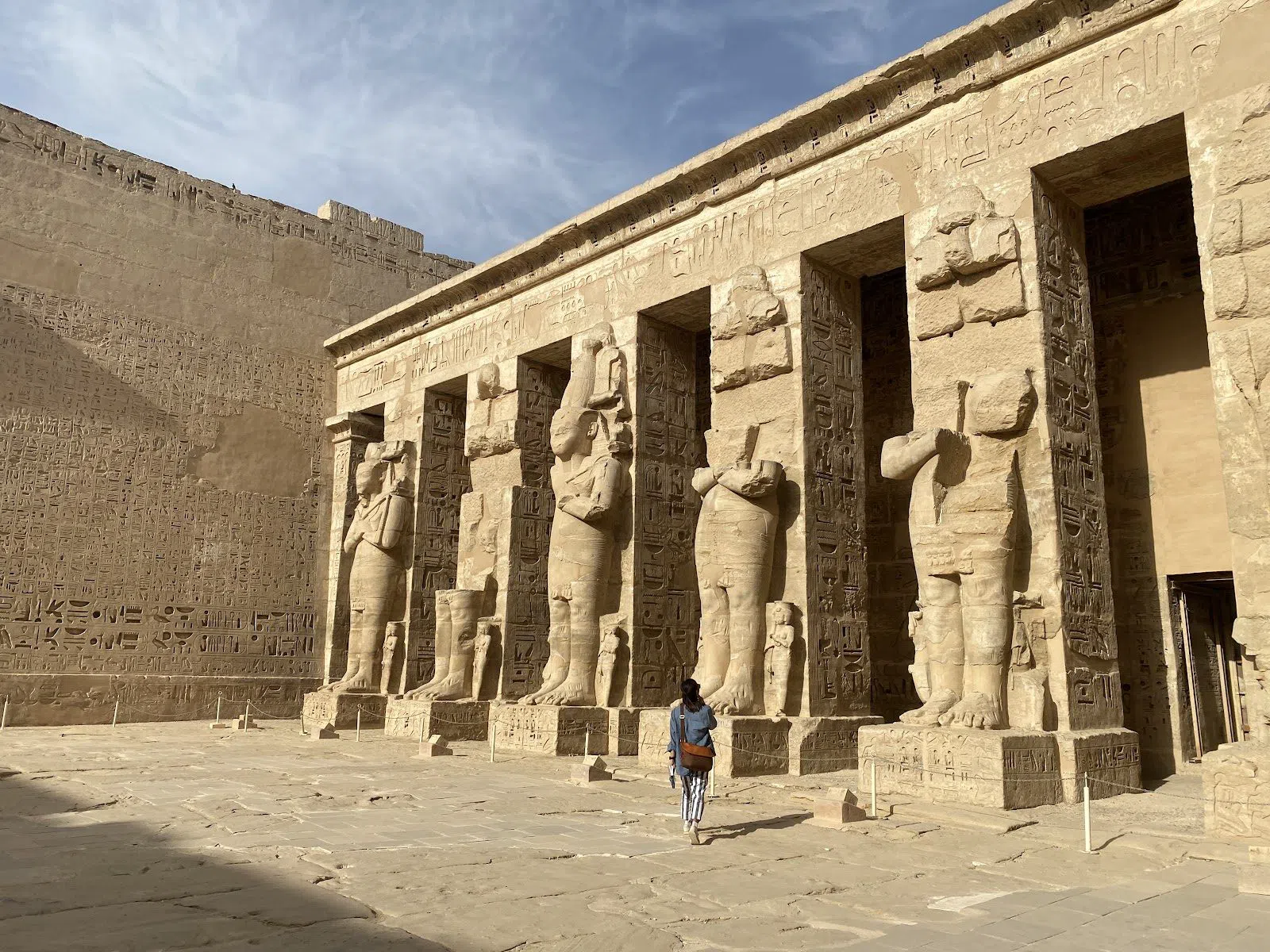
Medinet Habu (West Bank, at Kom Lolah) is the strongest single choice for anyone with limited stamina: the best-preserved mortuary temple on this side of the river, a compact and largely level circuit, and far fewer coaches than the bigger names. Entry is about EGP 300 per adult. Go before 08:30 and it is close to empty; the buses arrive after that. If your parents can manage exactly one West Bank site, make it this one.
Valley of the Kings (West Bank) costs EGP 750 for the general adult ticket covering three tombs, with certain tombs charged separately on top. Take the tram, around EGP 20–30 return, rather than the fifteen-minute uphill walk from the visitor centre; that walk is the first mistake most people make. Then choose KV2, the tomb of Ramesses IV. It sits near the entrance and runs on straight, wide, gently descending corridors, comfortably the least punishing tomb in the valley. The deeper tombs have steep ramps, low ceilings and hot air that never moves, and the climb back out is the part nobody warns you about. One tomb is very often enough, and there is no shame in it. Guides may not lecture inside the tombs, so any real explanation happens outside. Ask yours to brief you in the shade before you go down rather than after.
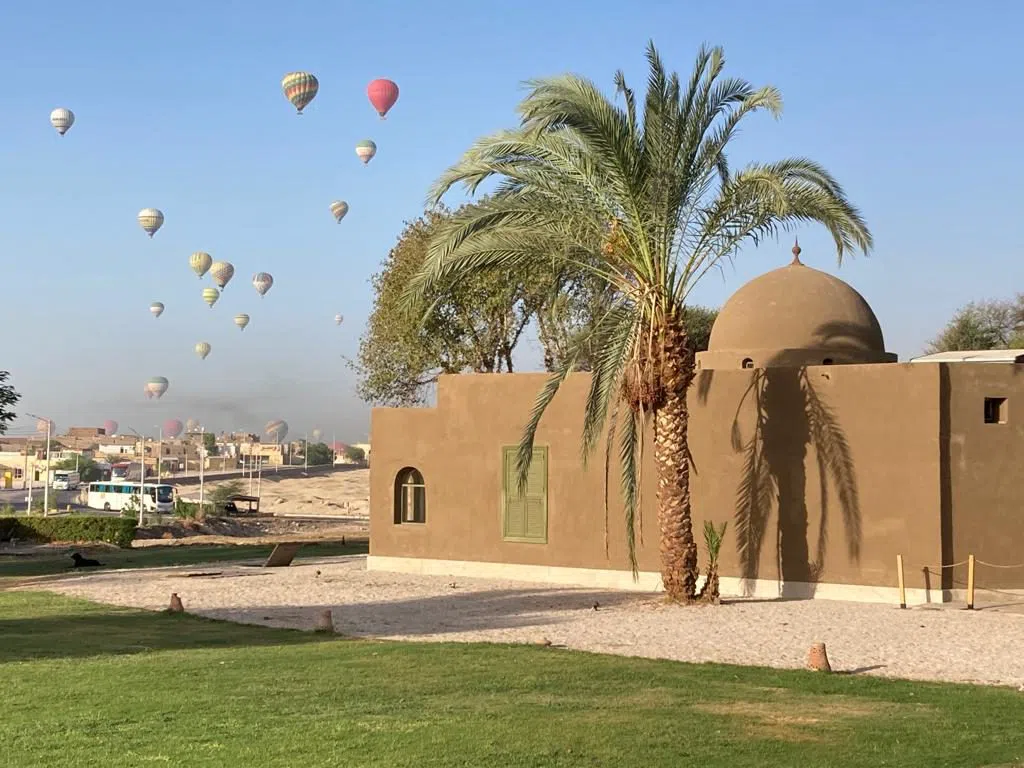
Howard Carter House (West Bank road, on the way to the Valley) is a ten-minute, single-storey stop with no climbing at all, for EGP 100–150 per adult. It gives the Valley its human story, the house the excavation was run from, and works best as a short, shaded pause between two bigger stops rather than as a destination. The rooms are domestic in scale, so small groups only.
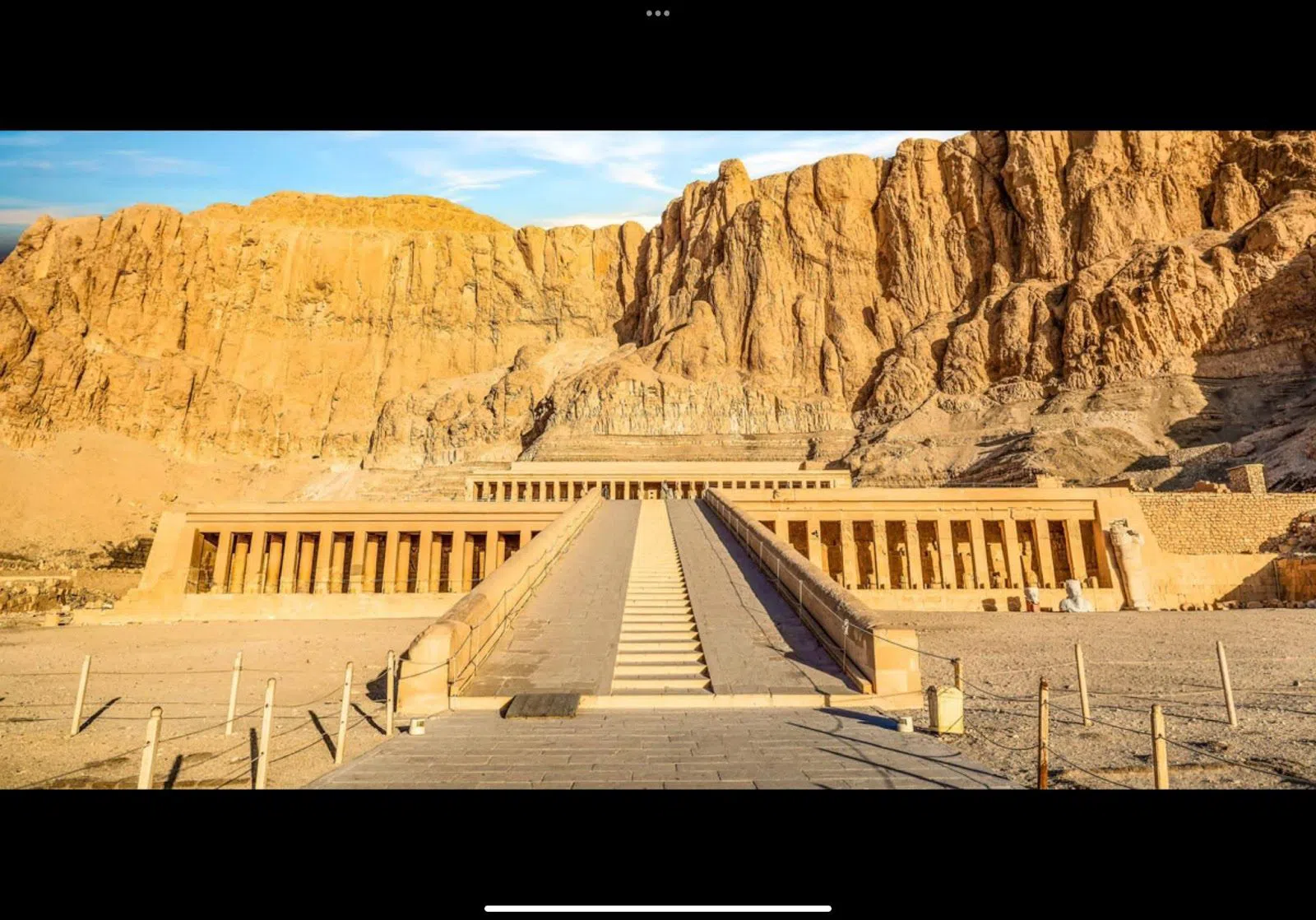
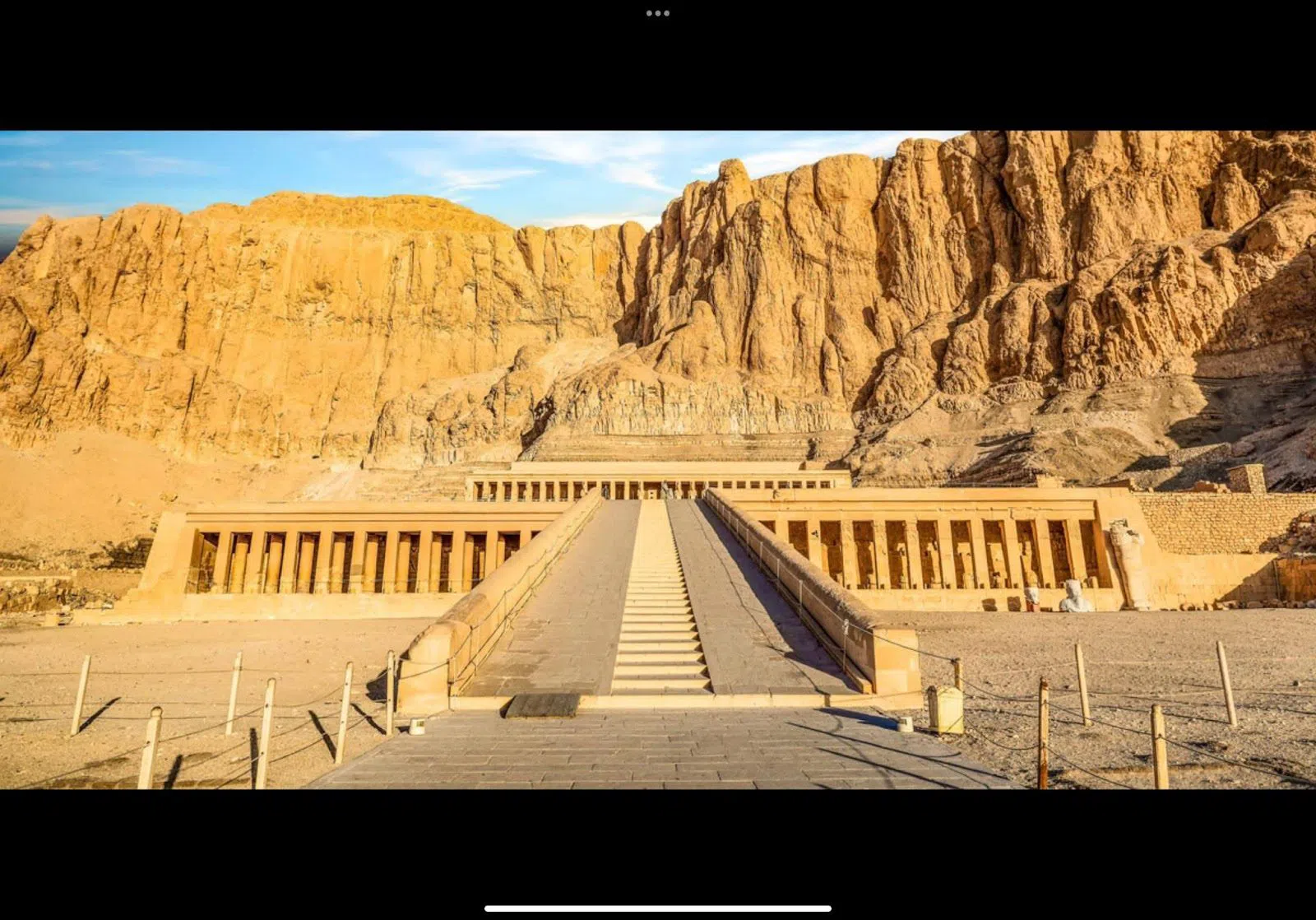
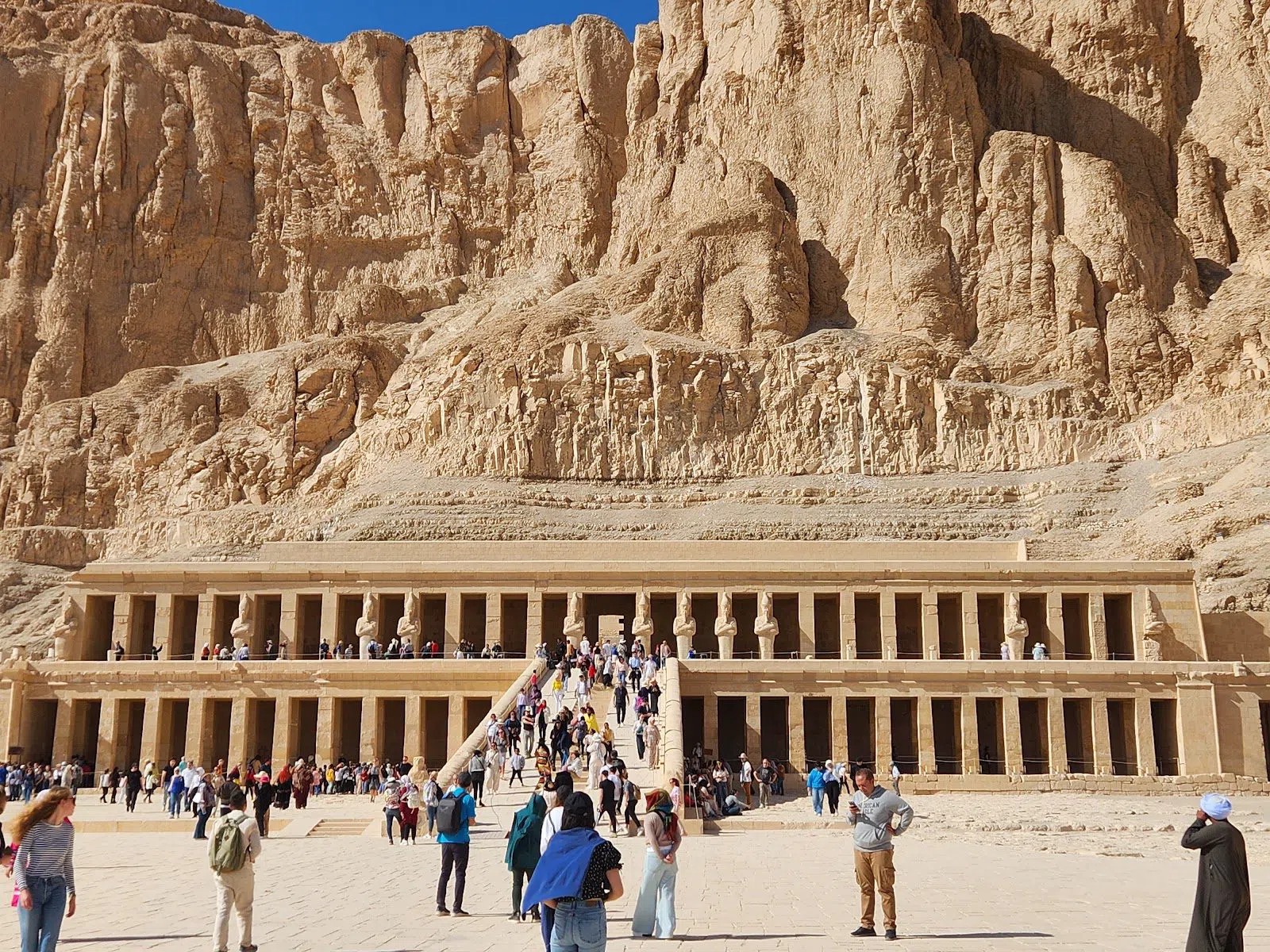
Temple of Hatshepsut (Deir el-Bahari) (West Bank, below the cliffs) charges around EGP 440 per adult, and free shuttle carts run from the car park to the temple base, which removes the worst of the exposed approach. From there, ramps of gentle grade reach the middle terrace, though they have no handrails, and the upper sanctuary needs two short flights of steps. Seeing the temple from the first two terraces loses very little of what makes it extraordinary and saves a great deal. It also faces the morning sun square-on, so it is a first-thing site or an unpleasant one.
The workable pairing for most families: Medinet Habu at opening, Howard Carter House as a shaded ten minutes, then either the Valley or Hatshepsut, and back across the river by 11:30.
Where dinner works and where the stairs decide
Sofra Restaurant & Café (El Mansheya, off Mohamed Farid St) serves proper home-style Egyptian cooking, oven-roasted rabbit with molokheya and stuffed pigeon among it, in a house that has kept its original character, at EGP 250–500 per head. It is alcohol-free and entirely unhurried, which suits a long dinner with people who do not want to be rushed out. The roof terrace is the nicest spot and needs stairs; the ground-floor rooms are just as good and level from the street, so book those and say why. It takes group bookings well and is used to large tables. Reserve ahead in winter.
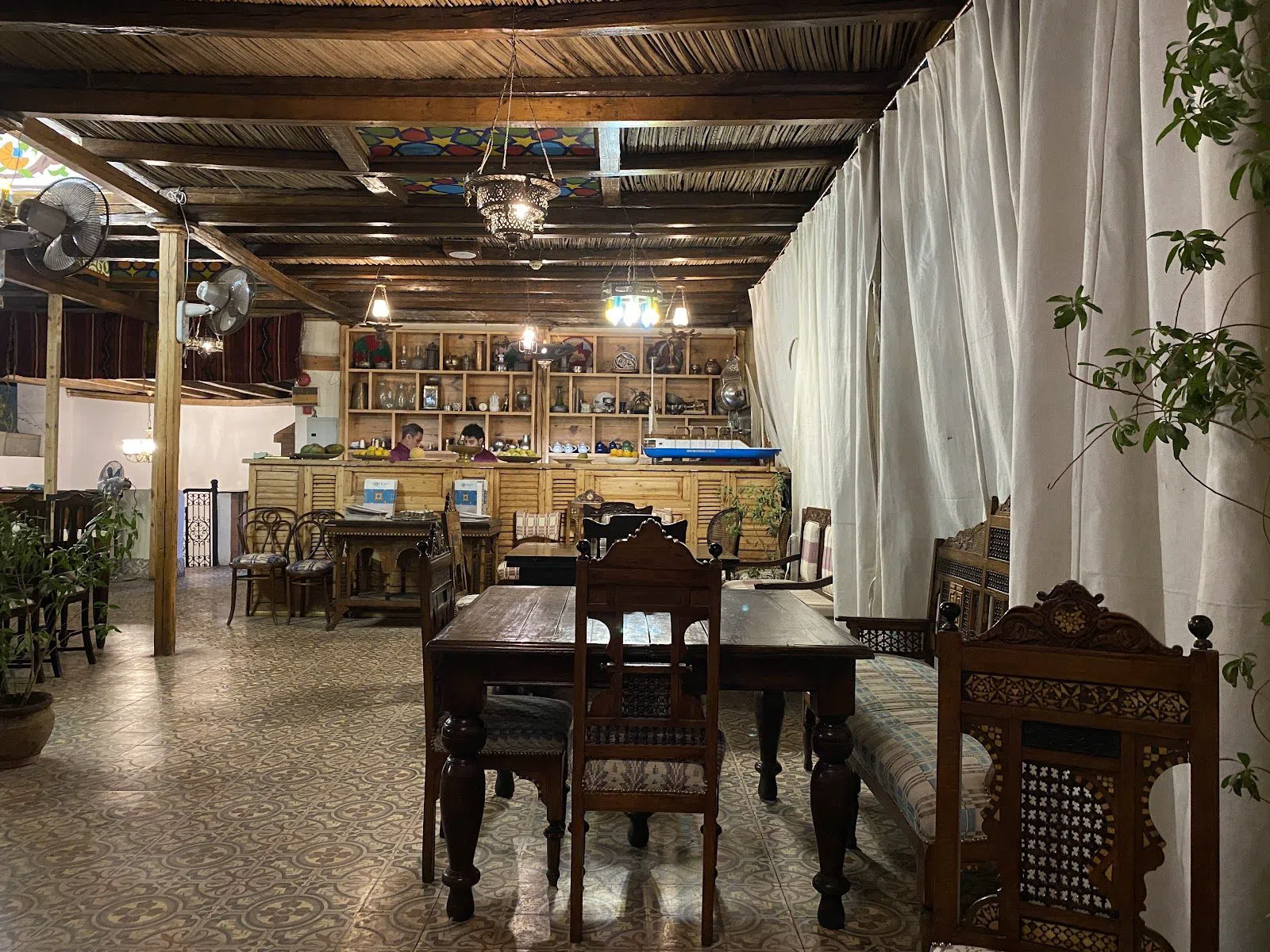
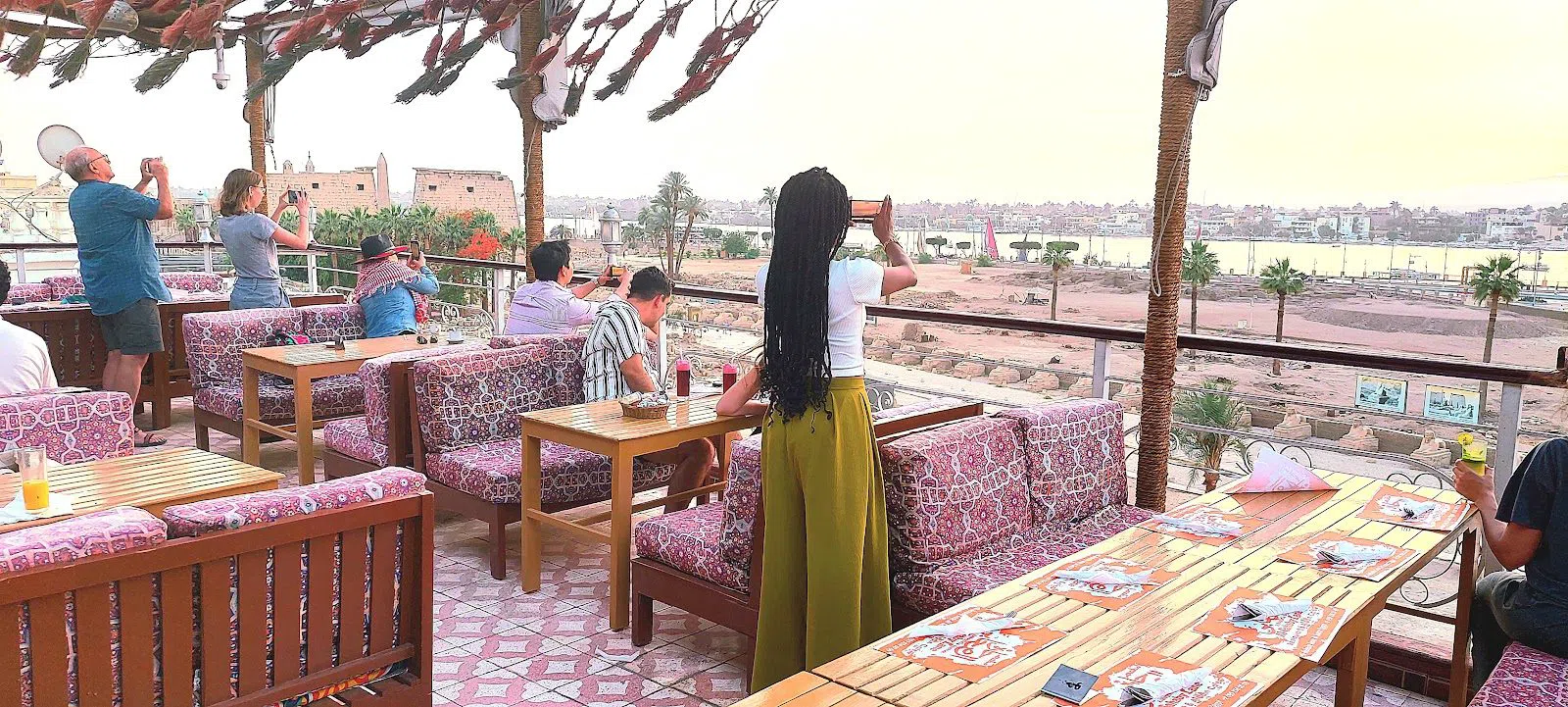
Al-Sahaby Lane Restaurant (Al-Sahaby Lane, town centre) has the best temple view of any dinner table in Luxor, from the roof of a hotel the same family has run since the 1950s, in a restaurant dating to the 1920s. Food runs EGP 200–450 per head and the welcome is warm. It is reached by stairs, with no lift. For some parents that rules it out entirely, and it is far better to establish that at home than to arrive at the bottom of the staircase having promised the view.
Booking the balloon and the boat
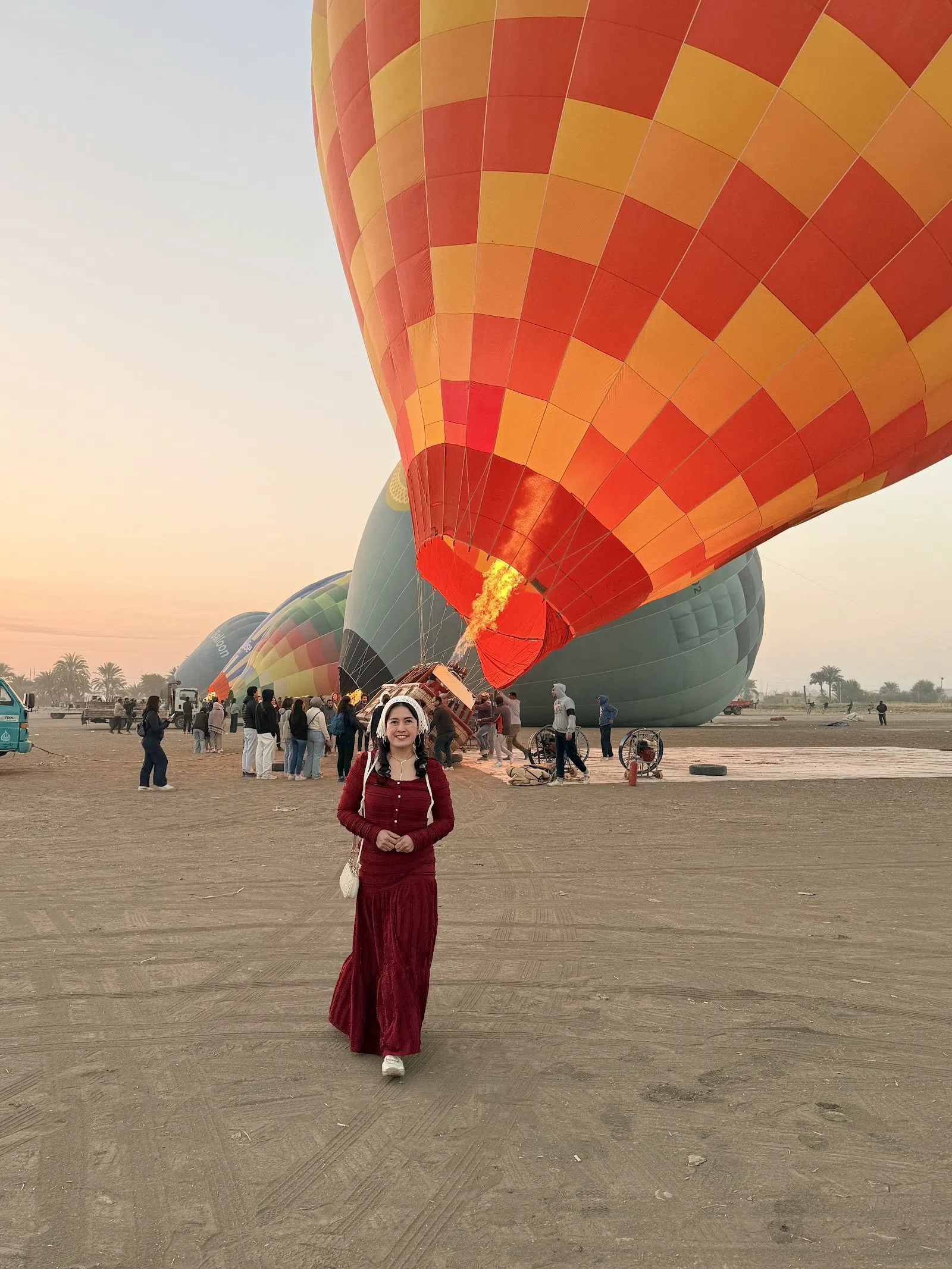
Sindbad Balloons has been flying since 2005 with ECAA-certified pilots, and the flight itself is calm and level, far less alarming than most people expect. Standard flights use shared baskets of 20–28 people at roughly $40–120 per person depending on basket size, with private and small-basket options available, and hotel pickup and the river crossing included. The two hard parts are not in the air. Boarding means climbing over the side of a waist-high wicker basket, and landings can be a firm bump that requires a braced crouch. Ask for the small basket and tell the operator about any mobility limits when you book, not at 04:30 on the morning of the flight.
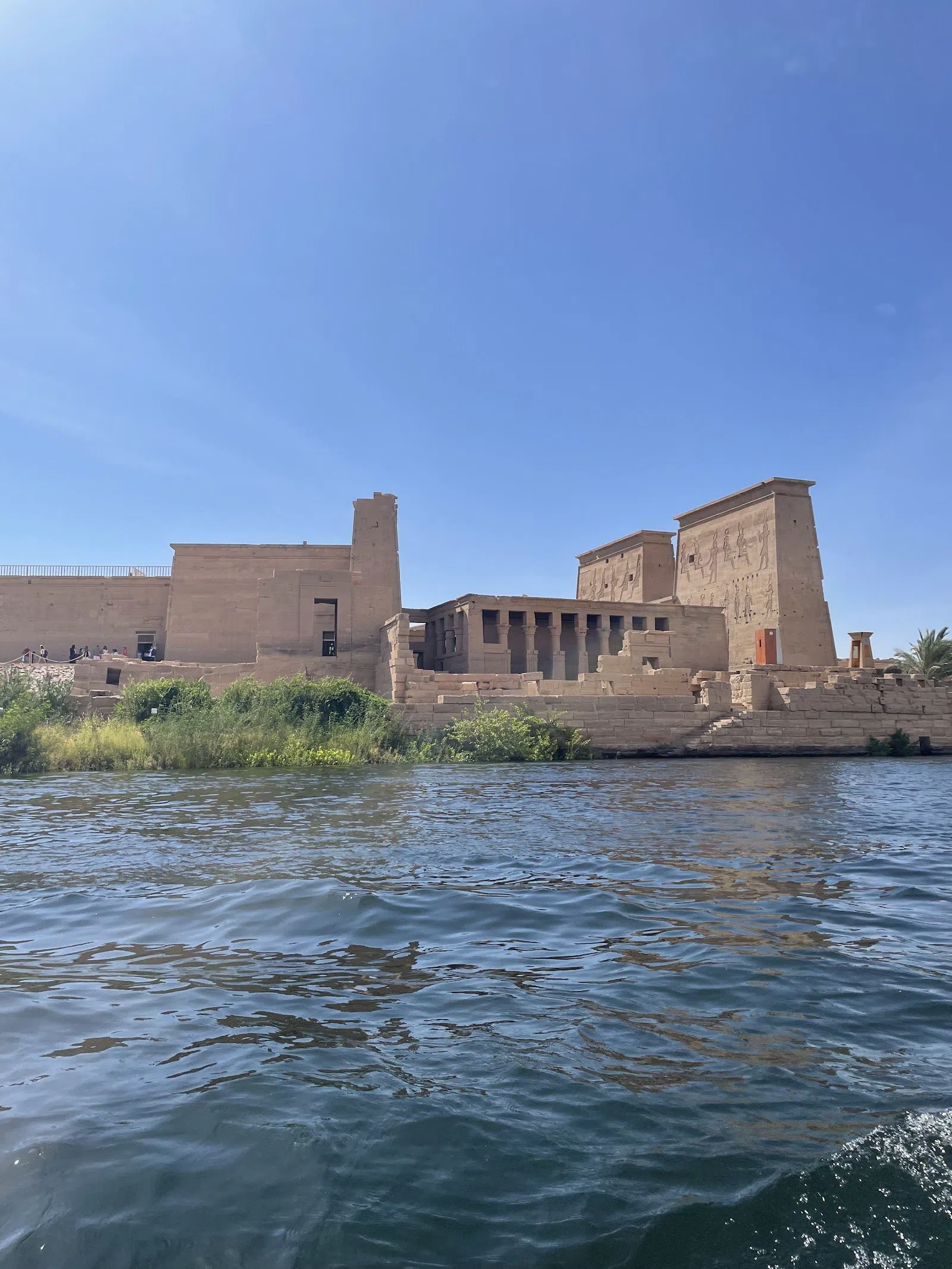
The Oberoi Zahra is the other way to do this: a 25-cabin river ship, two adults maximum per cabin, no children under seven, from approximately $2,815 per person for three nights full board with excursions, on 4, 5 and 8-day itineraries. The appeal for older travellers is structural rather than luxurious. The hotel moves and the sites come to you, so nobody repacks a suitcase. Excursions are included but optional, and that is what makes it work: skipping one costs nothing and buys a whole day of doing very little without anyone feeling they wasted money. It suits small private parties, not large groups.
Practical notes
Hire a car and driver for each West Bank day through your hotel and keep him with you rather than booking point-to-point; the value is the air-conditioned vehicle waiting fifty metres away when someone has had enough. East Bank distances are short enough for taxis. Kings Island guests should plan around the boat rather than fighting it.
Carry Egyptian pounds in small notes. Site tickets, the Valley tram, drivers and tips are all easier in cash, and queuing in the sun to sort out payment is the friction you are trying to design out. A day of two sites, lunch, a driver and dinner for two lands around EGP 2,500–4,000 before the hotel.
November to February is the season that makes this trip comfortable. Summer here is not worth coping with, so postpone rather than go. Whatever the month, the useful hours are 06:00–10:30 and after 17:00, with everything in between spent indoors. Book one site per half-day, and leave one day of the trip with nothing on it at all. You will use it.
A licensed guide for the first Karnak morning and one West Bank morning is money well spent, mainly because a good one walks you the short way. For more on the city beyond this itinerary, see the Luxor guide.
Before you go
Is Luxor realistic for someone in their eighties?
Yes, with editing. The ground is flat, the two town temples (Karnak and Luxor Temple) are level walks, and the museums are air-conditioned with lift access. What breaks people is heat plus distance, not stairs. Cap the day at one site before 10:30 and one cool room afterwards, base yourself within a mile of the town centre, and keep a private car and driver waiting rather than booked point-to-point.
When should we go?
November to February. In those months an early start is pleasant rather than a matter of survival. Even then, treat 06:00 to 10:30 and after 17:00 as the only real sightseeing windows, and put the middle of the day indoors. With older parents, summer in Luxor is worth moving the trip to avoid.
Do we have to do the Valley of the Kings, and which tomb is easiest?
You don't have to, and Medinet Habu is the gentler substitute: compact, largely level and near-empty before 08:30. If you do go, the general ticket is EGP 750 for three tombs, take the tram (about EGP 20 to 30 return) instead of the uphill walk, and choose KV2, the tomb of Ramesses IV, which sits near the entrance and runs straight and wide on a gentle descent. One tomb is usually enough; the deep ones have steep ramps and still, hot air.
Can someone with limited mobility do the hot-air balloon?
Sometimes, but not by default. The flight with Sindbad Balloons is calm and level; the problems are boarding, which means climbing over the side of a waist-high wicker basket, and landing, which can be a firm bump needing a braced crouch. Ask for the small-basket or private option rather than the standard basket of 20 to 28 people, and declare mobility limits when booking, not on the morning.
Is a river cruise easier than staying in a hotel?
For some families, clearly yes. On a small ship like The Oberoi Zahra the accommodation moves with you, so there is no repacking and no daily transfer, and excursions are included but optional, so sitting one out costs nothing. It is expensive, from around $2,815 per person for three nights full board, and it suits small parties: 25 cabins, two adults maximum each, no children under seven.