The Luxor issue
Luxor With Children Without the Midday Meltdown
A dawn-to-dark plan for Luxor's tombs and temples with children, arranged around the four hours when nothing outdoors is worth attempting.

By Hanne VermeerReading Luxor the way it was built
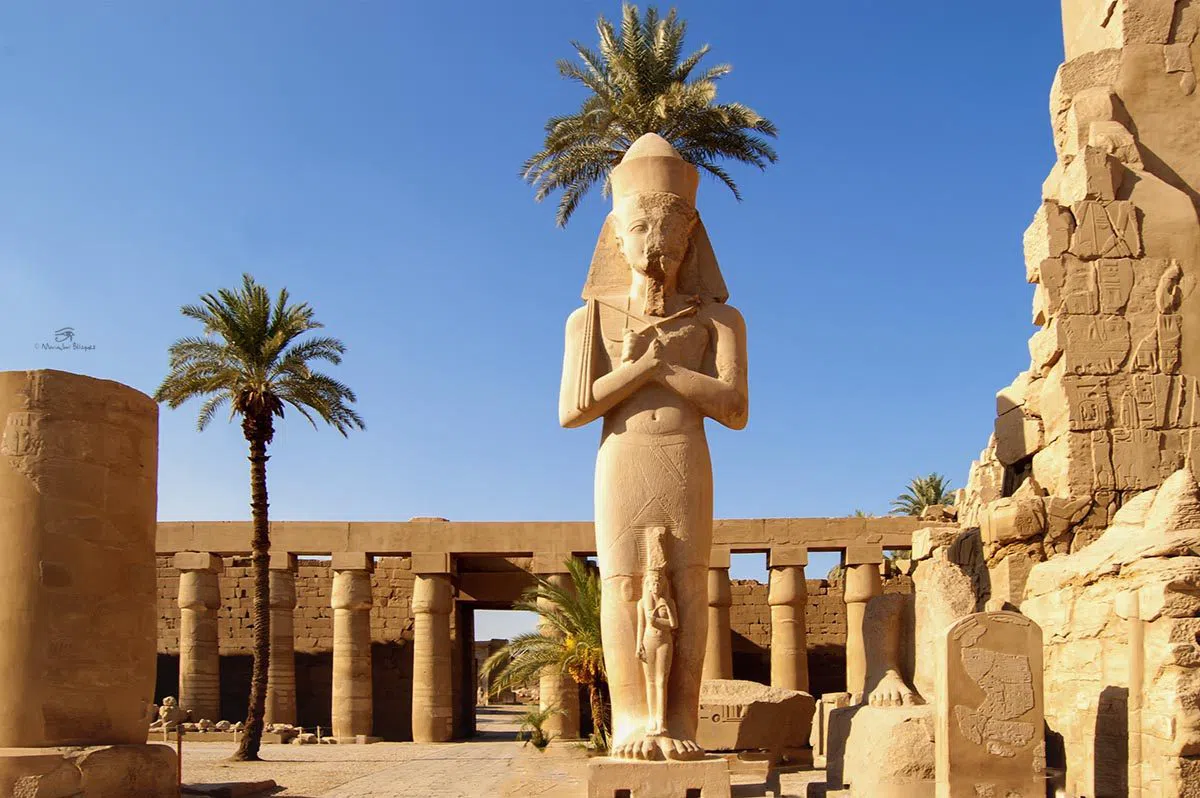
By nine in the morning in June, the sandstone at Karnak is already too hot to rest a hand on, and by one in the afternoon the corniche belongs to nobody but the calèche horses. Luxor with children is not a question of how many temples you can fit into a week. It is a question of how early you are willing to get up, and what you do with the four hours in the middle when the city closes in on itself. Get those two decisions right and the rest is straightforward.
How a Luxor day breaks up
The monuments sit on both banks of the Nile with five to twenty kilometres of cane field and desert road between them. None of that is walkable with children, and a car with a driver for the morning is less a luxury than the difference between three sites and one. Agree the route and the waiting time before you set off, not at each stop.
The day has two usable windows and one that isn't. Between 06:00 and about 10:30 the stone still holds some of the night's cool and the low sun throws real shade under the colonnades. From roughly 12:00 to 16:00 in the hot months (May to September, when 40°C is ordinary rather than remarkable) nothing outdoors is worth attempting with a child, however good your intentions were at breakfast. After 17:00 the light comes back, the temperature drops, and you can walk again.
Toilets exist at every ticketed site and at the main car parks, usually with an attendant who expects EGP 5 to 10. Standards vary enormously. Carry your own paper and hand gel, and send everyone in at the ticket office before you pass through the gate; once you are down in the Valley of the Kings you are a long way from anything. Reckon on a litre of water per person per half day, and buy it cold on the way, because the sellers inside the sites charge whatever the moment allows.
Plan your Luxor trip
Live prices from our booking partners.
Free cancellation on many rooms. We may earn a commission when you book.
The West Bank in the order that works
Start at the Valley of the Kings (West Bank, in the bowl behind the Theban cliffs) at opening, not after breakfast. The standard ticket is EGP 750 for a foreign adult and covers three tombs drawn from a weekly rotating list, plus the tram that runs from the ticket office down to the heart of the valley; ages 6 to 12 pay half. Tutankhamun's tomb costs around $14 on top, Seti I around $40. Understand what the tombs are before you commit a child to them: unventilated stairwells and sloping corridors, single file, with a queue behind you and no way to step aside. They get congested and stifling within an hour of the gates opening. Two tombs seen properly beat three seen at a shuffle. Pick the two furthest from the tram stop and you will often have them almost to yourselves.
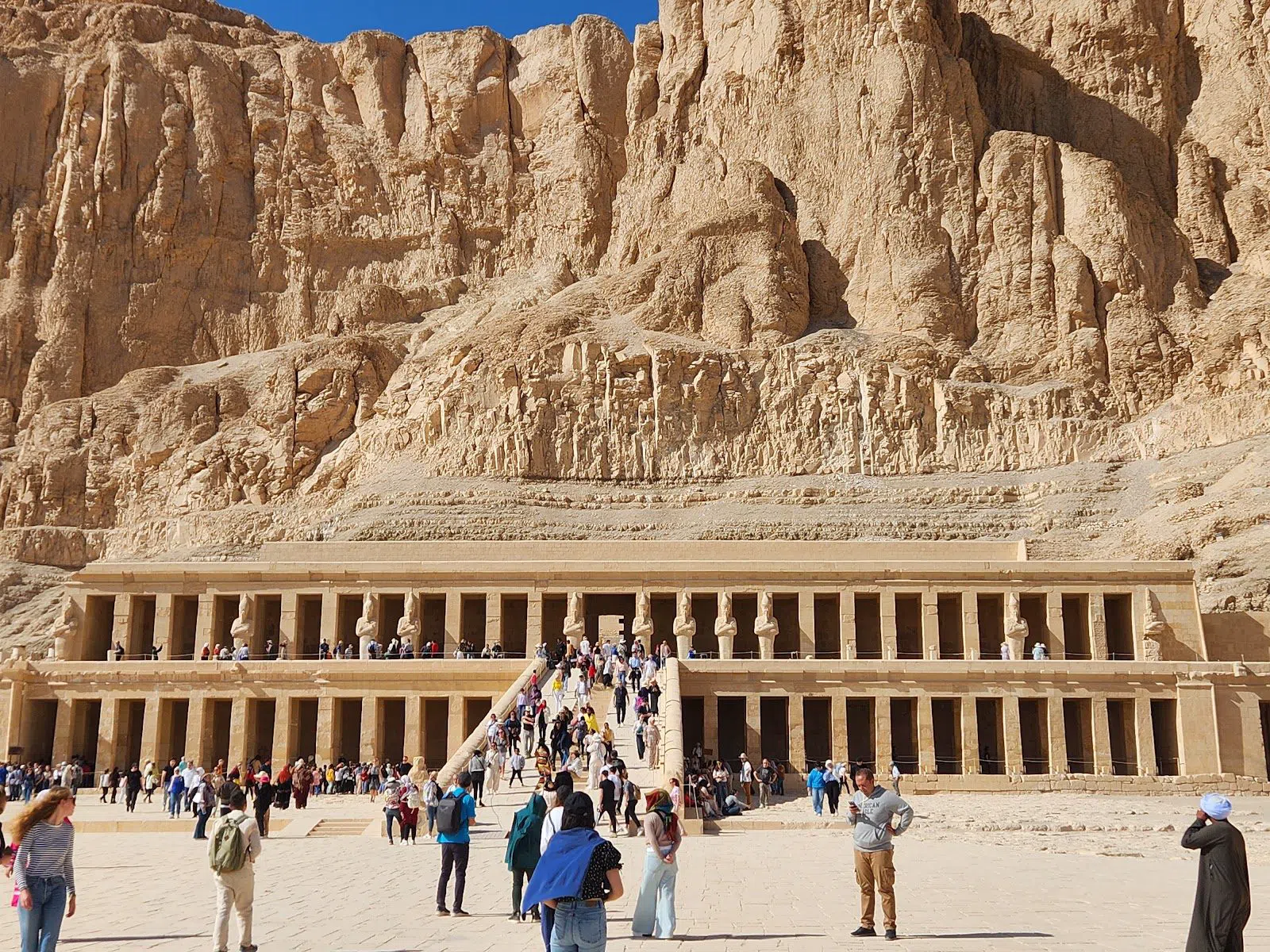
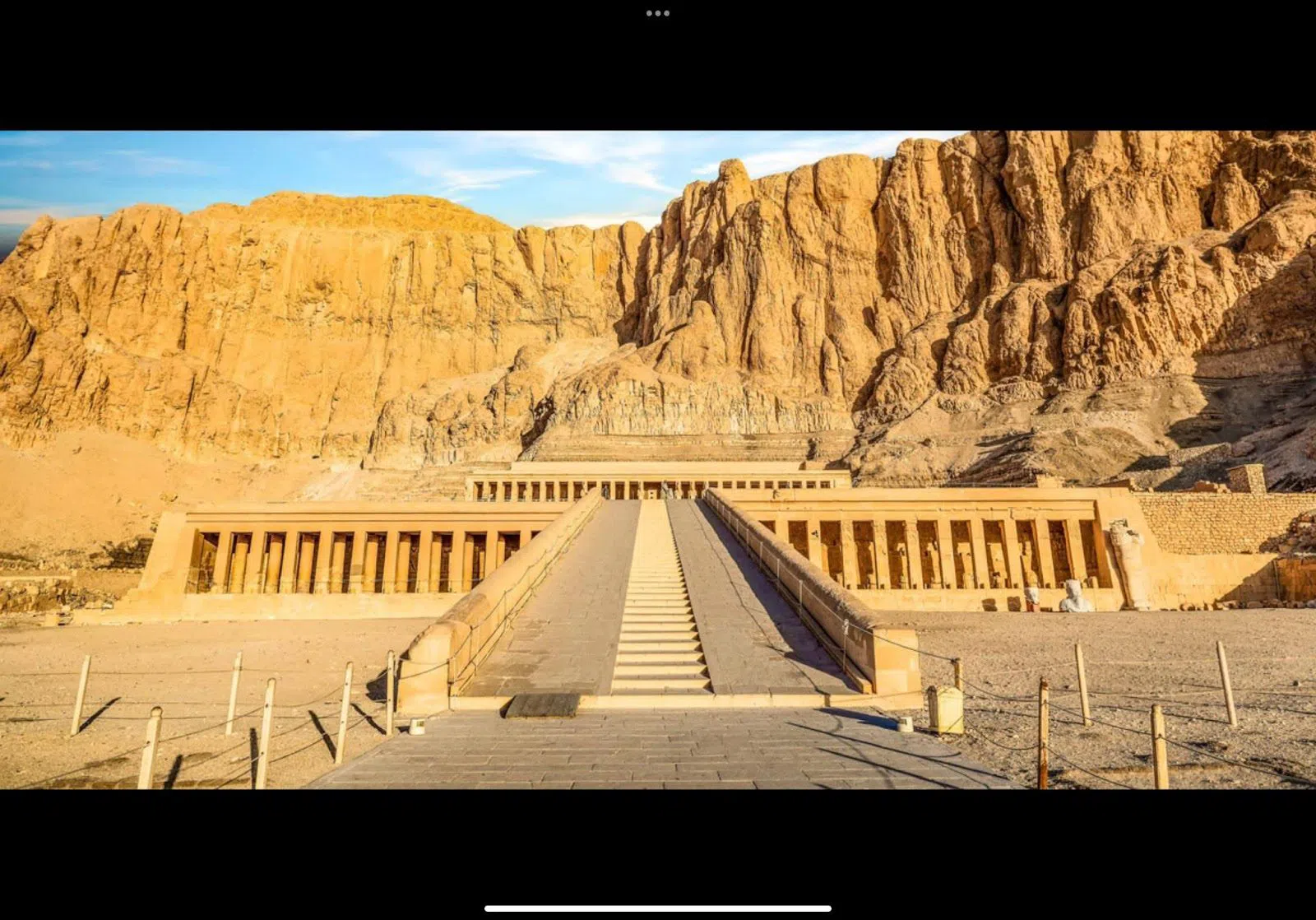
Move on to the Temple of Hatshepsut (Deir el-Bahari, ten minutes north) while the cliff is still in its own shadow. Entry is around EGP 440 for a foreign adult. Summer gates open at 06:00 and you want to be through them early, because it is a 400-metre walk with no shade at all from the ticket office to the ramp, and by mid-morning the limestone amphitheatre behind the temple reflects the heat straight back at you. Pay the small fee for the shuttle buggy from the car park. This is not the place to prove a point about walking. Once you are up on the terraces the crowds thin out well: the architecture spreads people across three levels, so it rarely feels as busy as the car park suggests.
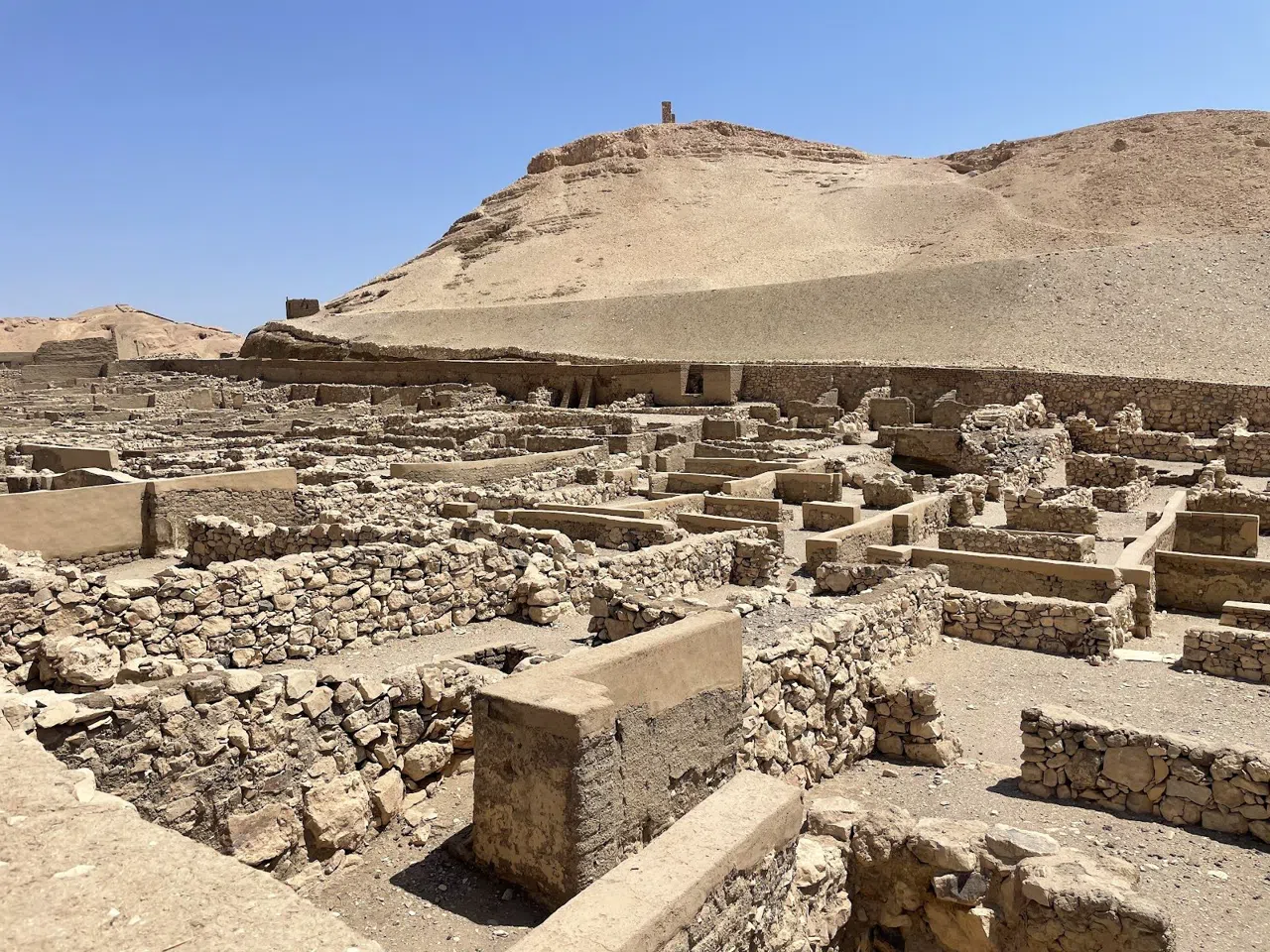
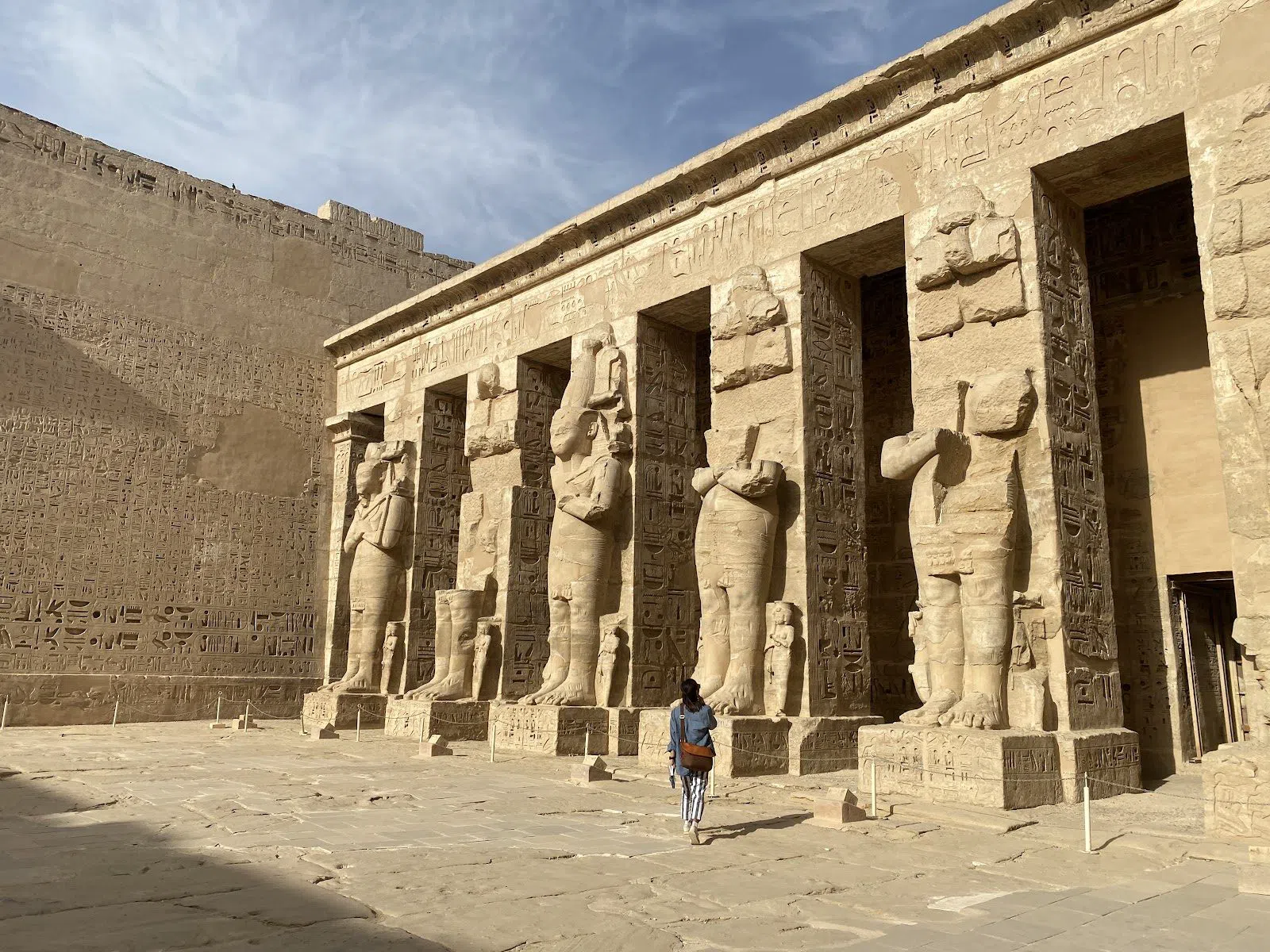
Medinet Habu (Kom Lolah, at the southern end of the West Bank) is the one I would protect on any family itinerary. Around EGP 300, roughly $7, and it holds the best-preserved colour on this side of the river: painted ceilings and carved reliefs with pigment still sitting in the cuts, far more legible to a child than grey stone. It is also consistently the emptiest of the big temples, which means children can run a few metres ahead without you losing sight of them.
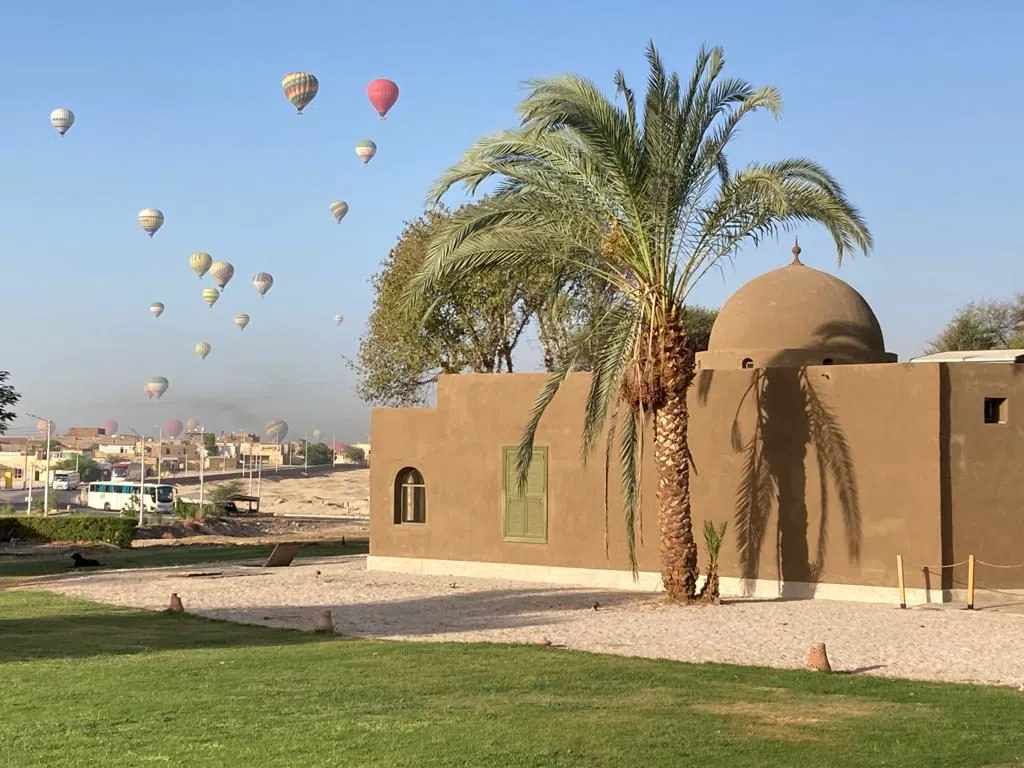
Finish at Howard Carter House (on the road up to the Valley), EGP 220 for adults and EGP 110 with a student card. Cool rooms, a short circuit, and in the grounds a full-scale replica of Tutankhamun's tomb, which is, honestly, the version children get to look at properly, with the wall paintings at eye level and nobody behind them waiting to move on. It is a small property and a coach group overwhelms it; it suits families and couples and does not pretend otherwise.
If you have two mornings, split the above rather than compressing it: the Valley and Hatshepsut on the first, Medinet Habu, Carter House and a workshop on the second. Nobody has ever regretted doing less in Luxor.
The balloon, and who it is not for
Magic Horizon Balloons (launch fields on the West Bank) run shared and private baskets, roughly $70 to $120 per adult depending on which. The rules deserve reading before you book with children: the published minimum age is 6, passengers must climb a 1.2-metre basket wall unaided, and everyone stands for the entire flight. That last point is the one families underestimate. A five-year-old who cannot see over the rim will spend the flight gripping a stranger's leg, and a child who needs lifting in cannot fly at all. Under-sixes are better left in bed with the other parent and collected at breakfast, and the trade is worth weighing anyway: the pick-up is well before dawn, and it costs you the coolest sightseeing hours of the day.

Temples after dark on the East Bank
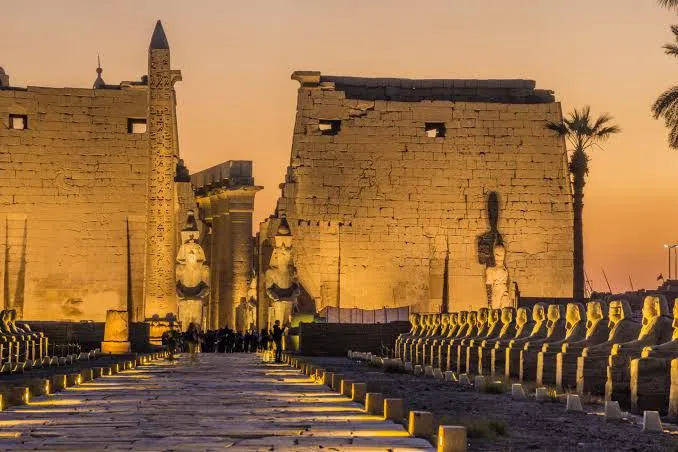
Luxor Temple (central corniche, East Bank) is the single best heat-dodge in the city. EGP 400 for a foreign adult, EGP 200 with a student card, and it stays open until 19:00. The same-day ticket lets you come back, so you can look in for twenty minutes in the morning and return when it is floodlit and the air has dropped ten degrees. Most East Bank hotels are within walking distance, so you need no driver and no negotiation, and a child who has had enough can be carried home.
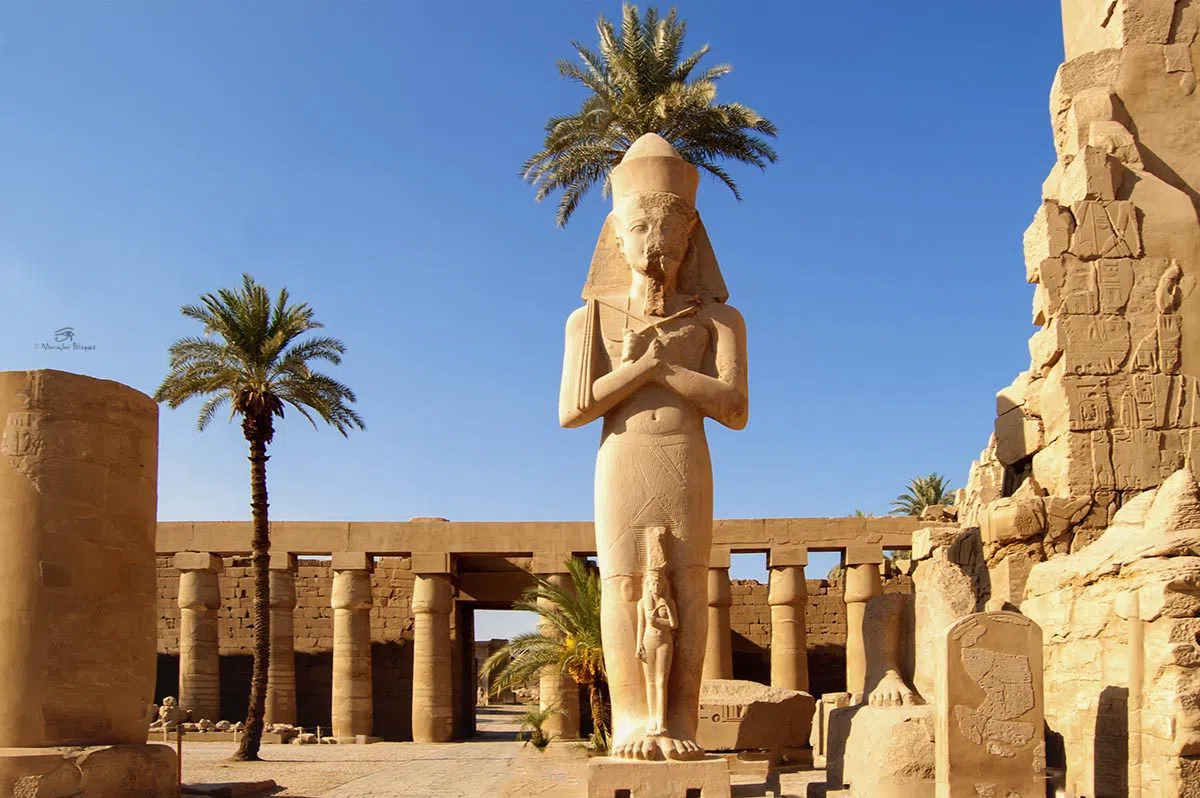
Karnak Temple Complex (northern East Bank, about three kilometres up the corniche) needs more planning. EGP 600 for a foreign adult, EGP 300 student, gates from 06:00, and that first hour is the only civilised one in summer, when the great columns still throw usable shade before the sun climbs above them. Coaches unload at the avenue of ram-headed sphinxes at the front, so the entrance is the most crowded part of a very large site; walk through it and keep going. Do not try to see all of Karnak with children. Give them one thing to find and let the scale do the rest. If the morning gets away from you, the 19:00 sound-and-light show is around EGP 300 on top and delivers the same site at night, which for a tired eight-year-old may well be the better version.
Two indoor hours worth paying for
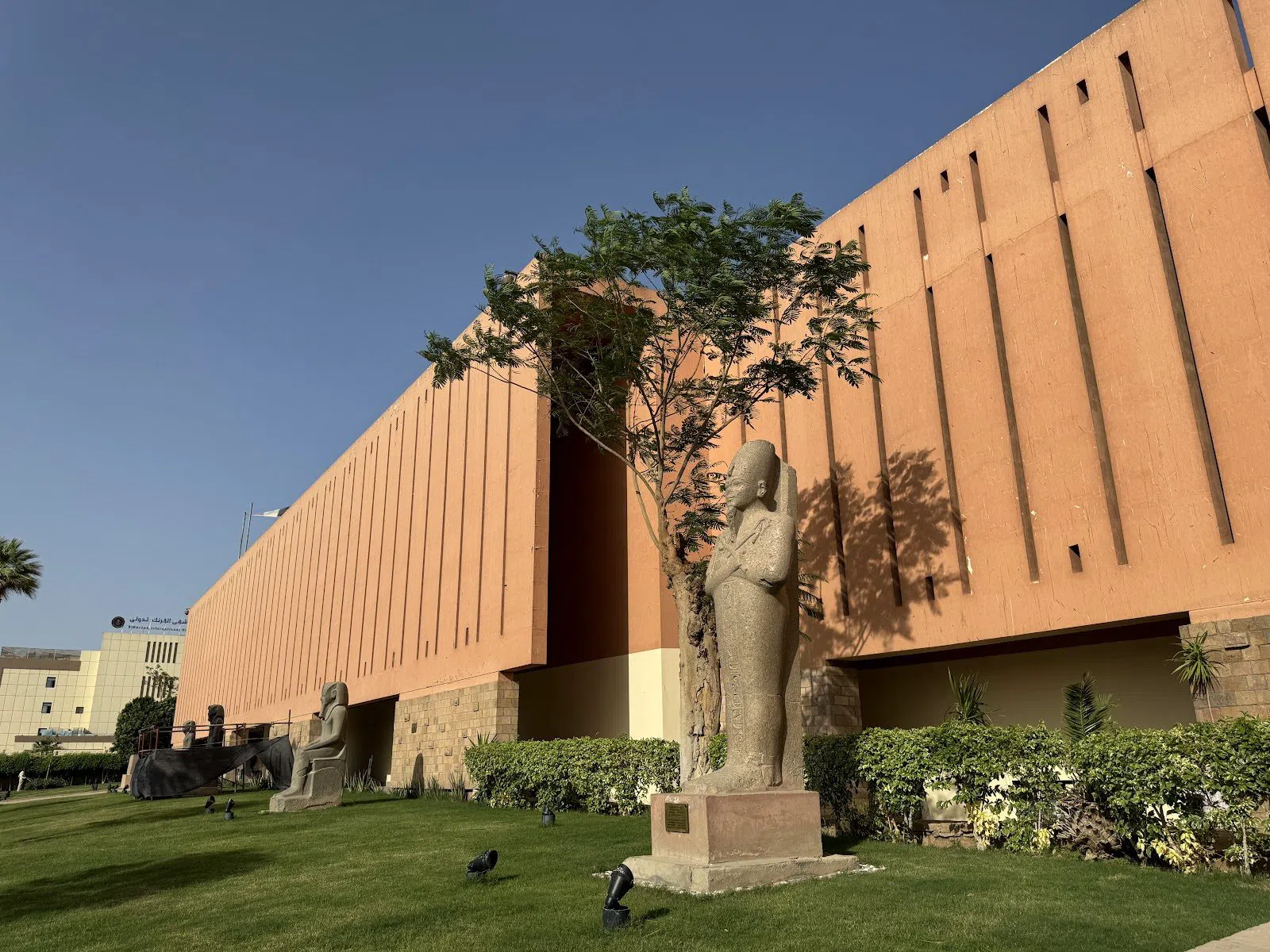
The Luxor Museum (on the corniche, East Bank) is air-conditioned, well lit, and small enough to finish before anyone complains, three qualities that are worth more than its collection in August, though the collection is genuinely good. EGP 400 adult, EGP 200 student, under-sixes free. One trap: it runs split hours, opening in the morning from 09:00 and again in the evening from 17:00, so check the session before you set out or you will arrive at a locked door with a hot child. It is compact, and large parties bunch up badly in the statue hall.
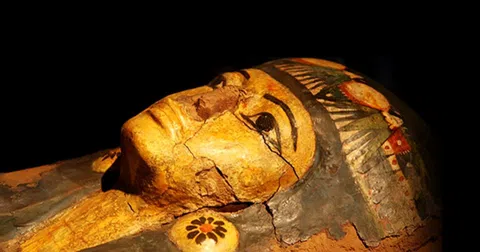
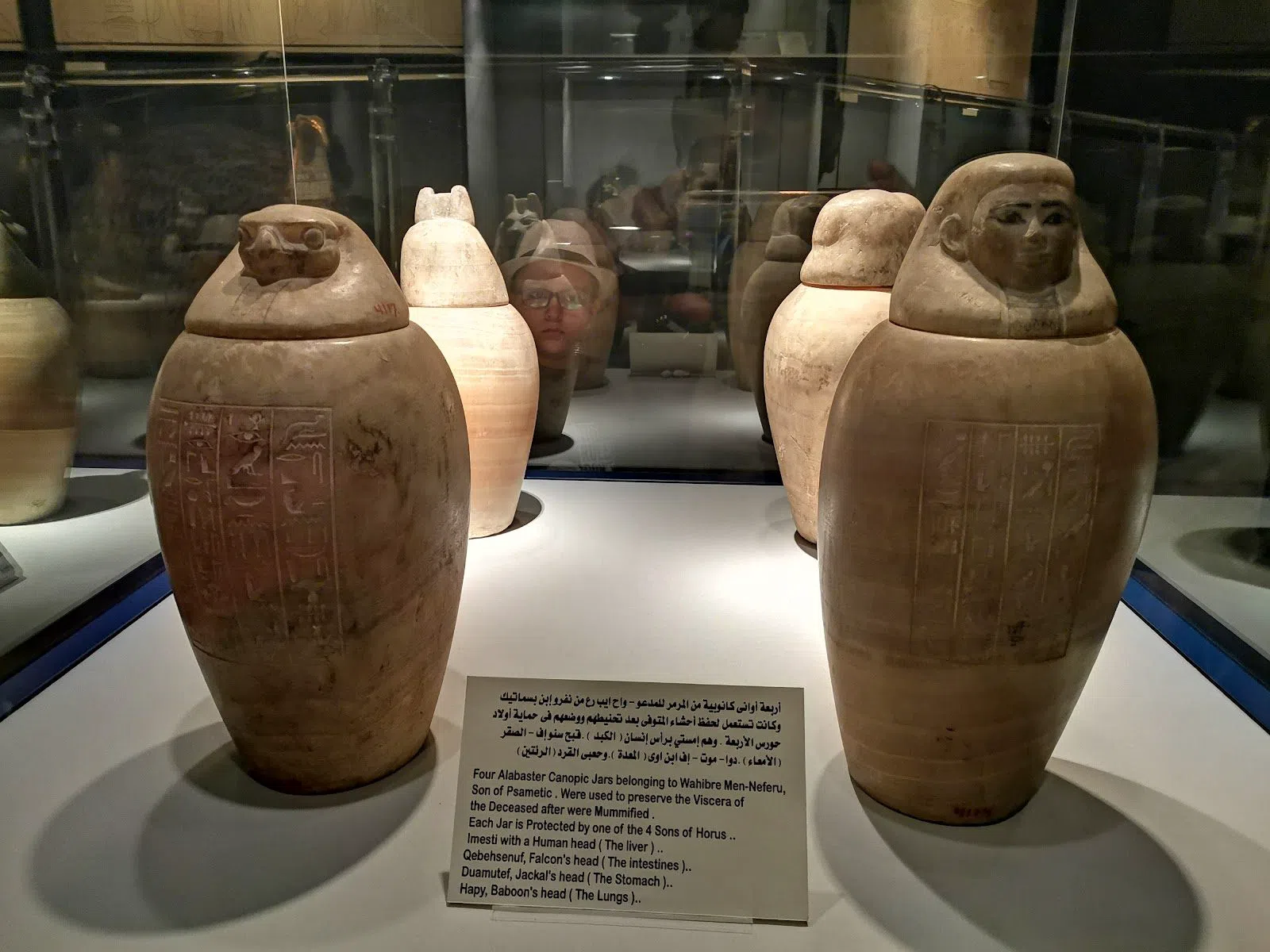
The Mummification Museum (corniche, opposite the Mina Palace) is twenty minutes, indoors, and cheap at EGP 220 adult and EGP 110 student. The gallery is a single narrow basement run, so it works for a family and not for a coach; in practice, small groups only. Its real value is the subject matter (the tools, the jars, the frank explanation of what went where), which buys goodwill from children who have had enough of columns for one lifetime. It sits on the walk between the ferry landing and Luxor Temple, so it costs you nothing in logistics.
Lunch, and the long middle of the day
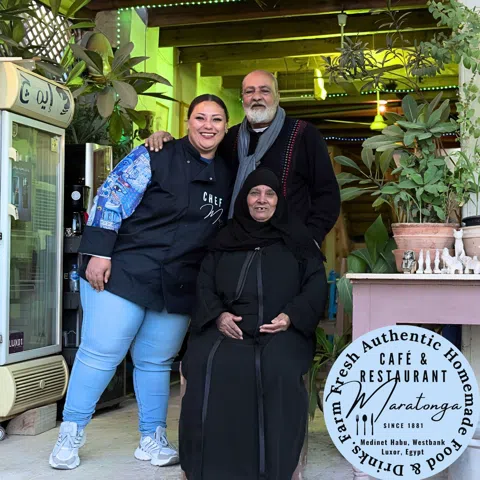
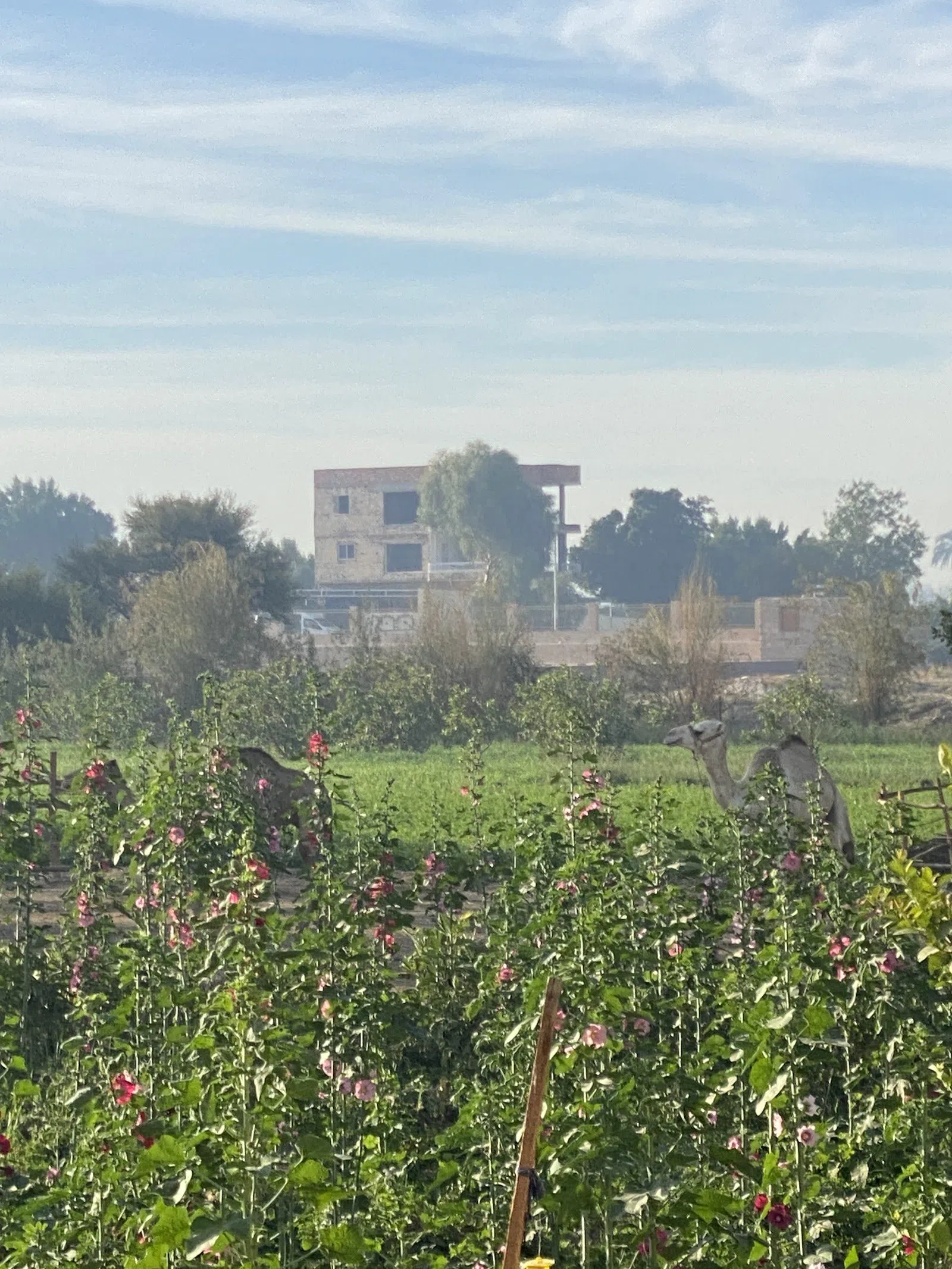
Marsam Hotel Luxor (Gurna, West Bank) is where I would put a family between the Valley and the ferry. The old dig house, run by the Abdel Rassoul family since 1939, serves a simple set lunch of chicken, fish or vegetarian for roughly EGP 300 to 500 a head under deep garden shade. It is small, so call ahead for more than a few people, and do not expect a menu with pictures.
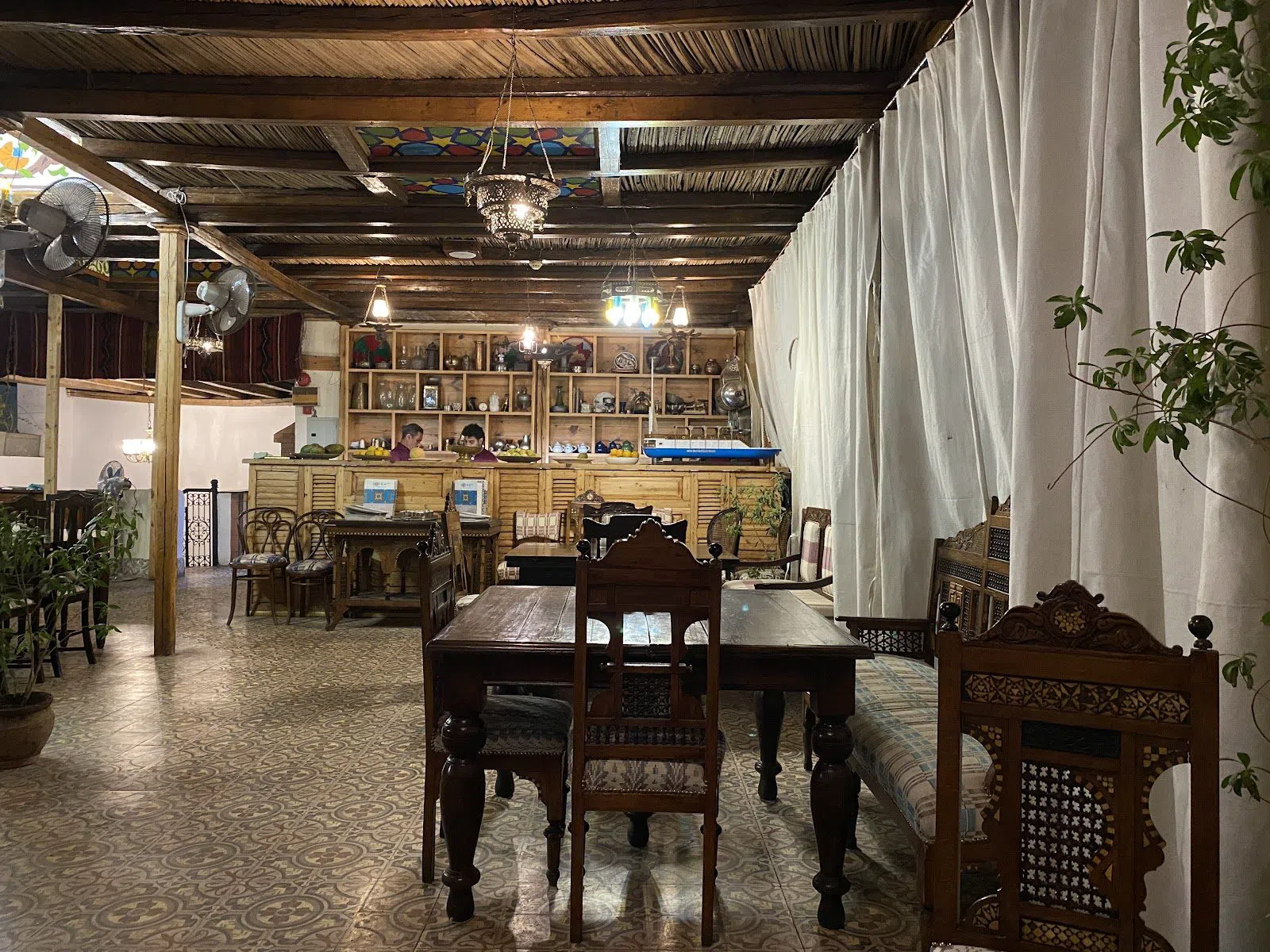
On the East Bank, Sofra Restaurant & Café (Mohamed Farid Street, a short walk back from the river) handles families properly: two floors plus a roof terrace that catches whatever breeze is going, mains around EGP 200 to 400, and mezze that arrives fast, which with hungry children matters more than anything else on the plate. Book ahead in high season.
Things that are not temples
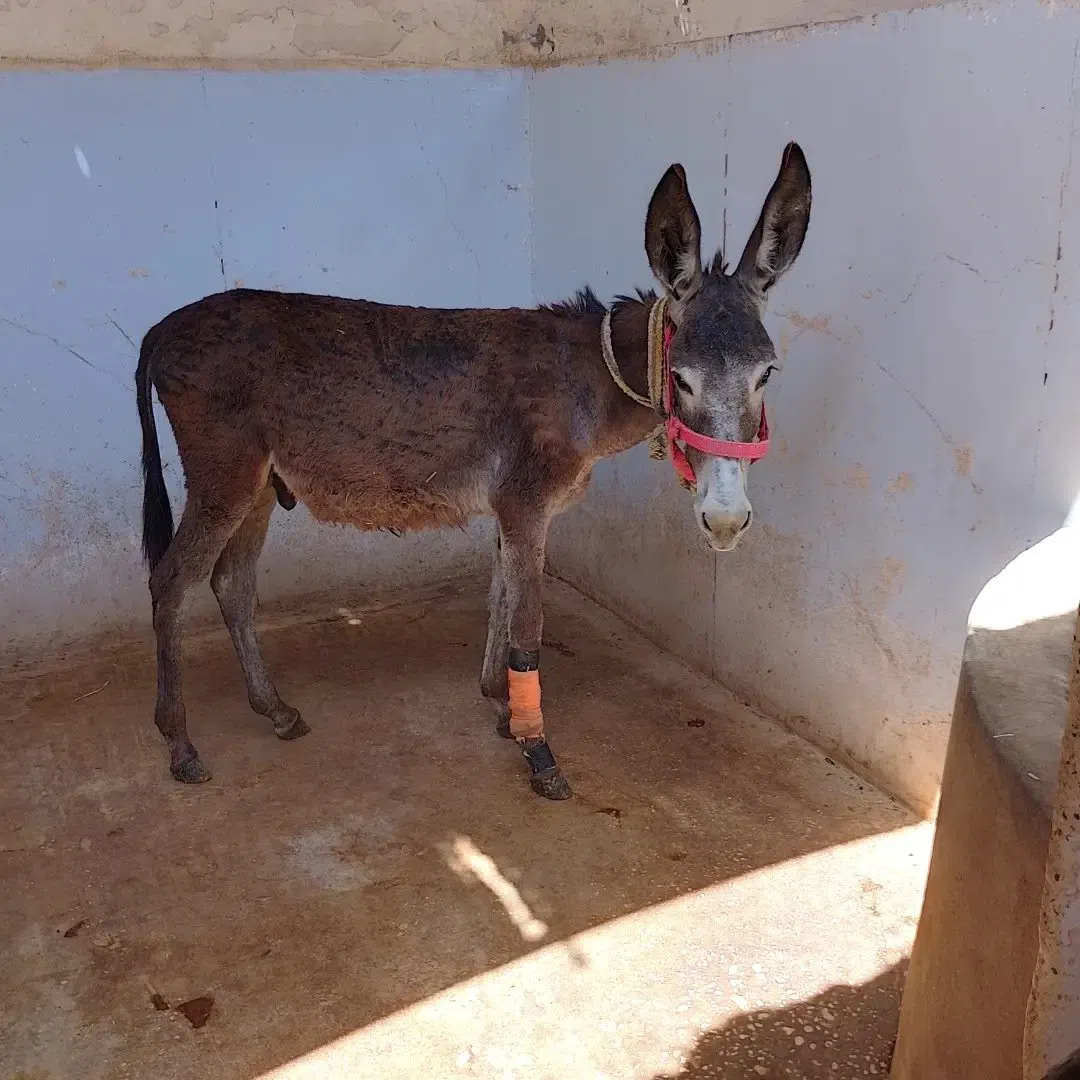
Animal Care in Egypt (East Bank) is free, funded by donations, and open Saturday to Thursday from 09:00 to 17:00. Staff give guided tours; phone ahead if there are more than a handful of you. It buys you a shaded, hands-on hour in which children meet donkeys and horses instead of trailing behind a guide, and it is the honest counterweight to the caged-animal attractions along the river, which are worth skipping altogether.
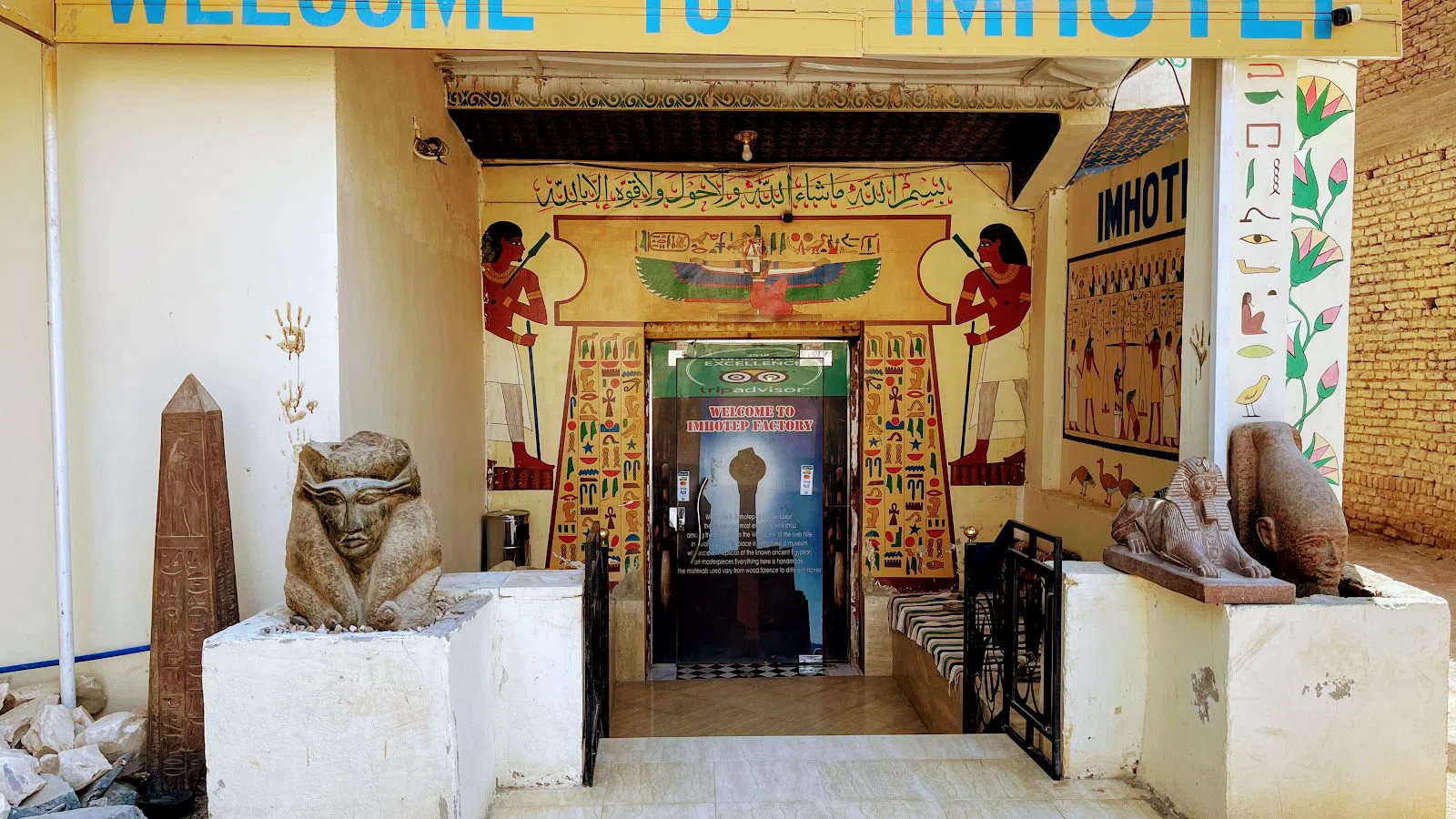
Imhotep Alabaster (Gurna, West Bank) is one of perhaps eighty family workshops in the area and among the few with a reputation for calm, straight pricing, with nobody pressuring you and nobody performing a haggle. Free to watch, with small carved pieces from a few hundred EGP. The carving demonstration holds a child's attention considerably longer than a temple wall does, and they leave with something they watched being made.
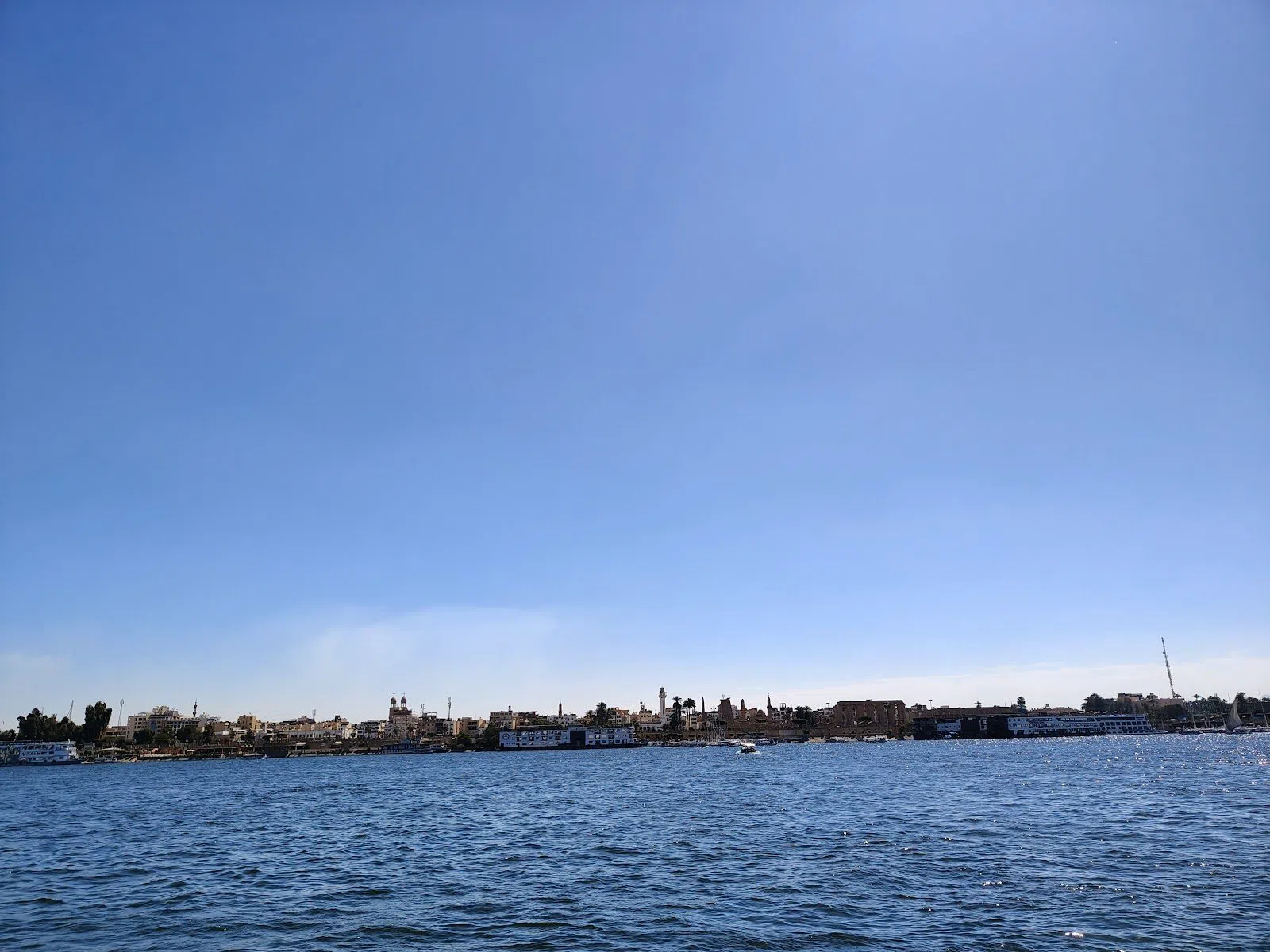
The Luxor public Nile ferry (from the corniche, East Bank) costs around EGP 20 to 25 per foreigner, cash only, and runs every 20 to 30 minutes more or less round the clock. There is no booking and no queue system; you walk on. It is a ten-minute crossing and children reliably treat it as the main event of the day. Bring small notes, because the ticket seller will not have change.
Where to stay if the pool is the point
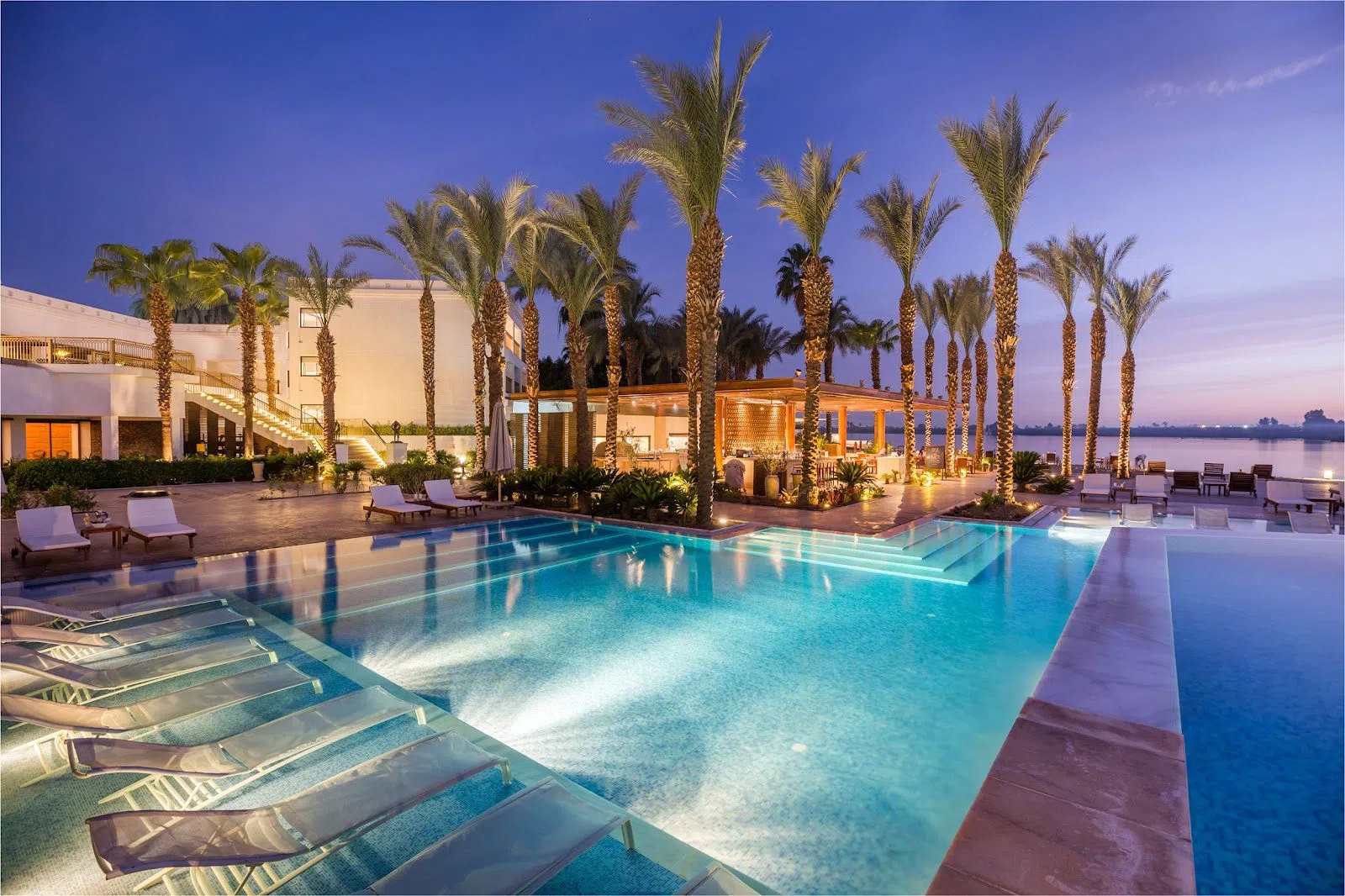
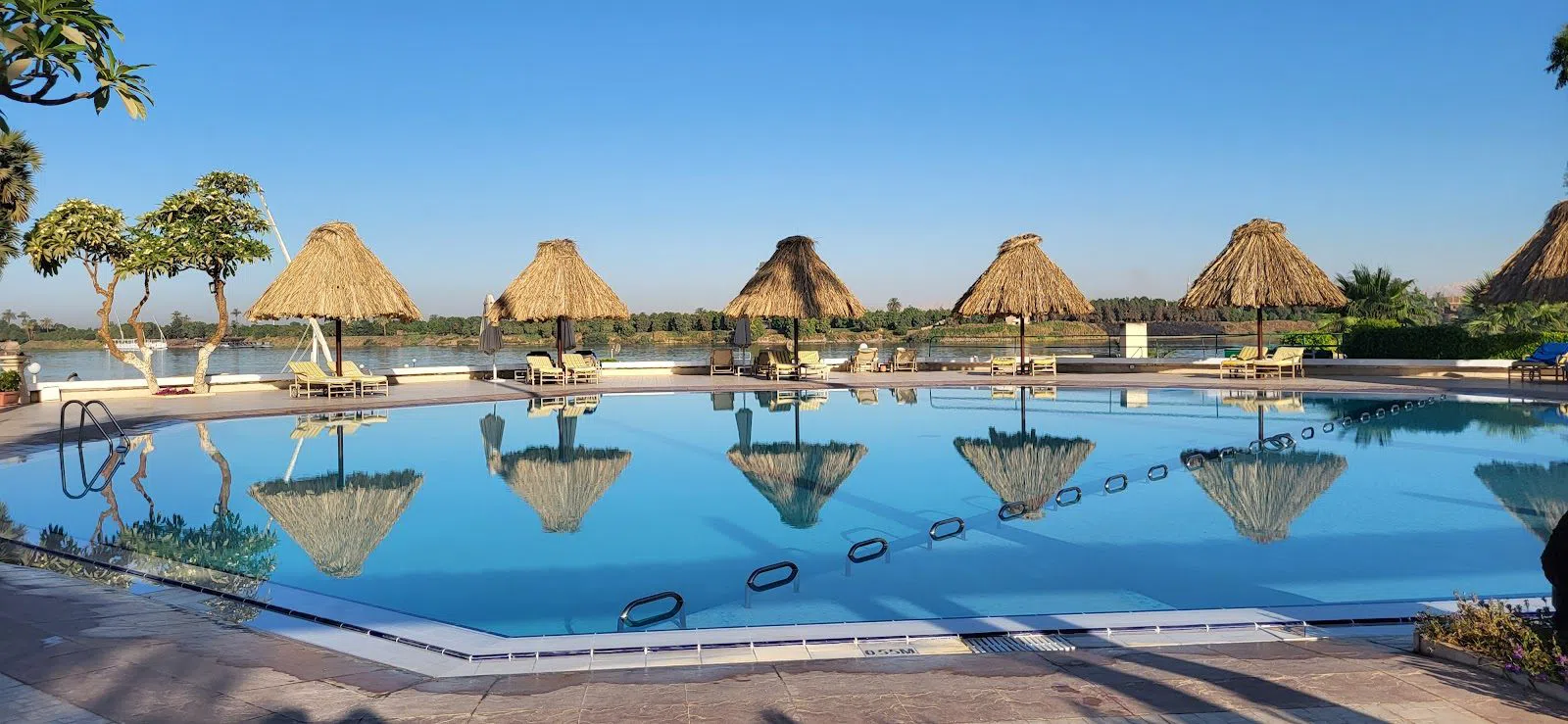
With children in the hot months, the hotel is where you spend 12:00 to 16:00 rather than only where you sleep, and that should drive the booking. The Hilton Luxor Resort & Spa (northern East Bank, out towards Karnak) is the most direct solution: a staffed kids club, a separate children's pool and babysitting on site, rooms from roughly $145, under-fives eating free and ages 6 to 12 on a reduced breakfast rate. Jolie Ville Hotel & Spa Kings Island Luxor (Kings Island, south of town) trades the kids club for an entire island of lawn and shade, with rooms from around $90 and a transfer boat that is itself a small treat. Day access to the pool and gardens is possible at roughly $20 to $35 per person if you are staying in town and only need somewhere to survive the afternoon. Confirm that rate by phone rather than assuming it, because it moves with occupancy. For everything else on both banks, start with the Luxor hotel search.
Getting around, cash and what it costs
Arrange a driver through your hotel the evening before and settle the day rate, the stops and the waiting time up front. The cheap alternative is the ferry plus a West Bank taxi from the landing, which works well for Medinet Habu, Carter House and Marsam, and less well for a morning that has to start at 06:00 in the Valley.
Carry cash in Egyptian pounds, in small denominations. Ticket offices, the ferry and the toilet attendants are all cash, and the buggy at Hatshepsut and the tram queue are easier with exact notes. ATMs sit along the East Bank corniche and at the airport; there is nothing convenient on the West Bank, so draw before you cross.
On tickets, a family of two adults and two children aged eight and ten should plan on roughly EGP 4,000 to 5,000 for a full West Bank morning plus one evening temple, before food, driver and tips. Child and student rates run at about half the adult price where they are offered, reliably at the Valley of the Kings; under-sixes are free at the Luxor Museum. Prices here are the 2026 rates and they are revised upwards more often than the signage suggests, so treat them as a planning figure rather than a promise.
On timing: November to February is genuinely comfortable and you can sightsee through the middle of the day. March and October are hot but workable. May to September is the dawn-and-dusk regime described above, and it is not negotiable with children. The city will simply win. For seasons, districts and the wider practicalities, see our Luxor guide.
Before you go
What is the best time of year to take children to Luxor?
November to February, without question. Daytime temperatures are comfortable enough to sightsee through the middle of the day, which removes the problem this whole article is about. March and October are hot but manageable with an early start. Between May and September you are limited to roughly 06:00 to 10:30 and 17:00 to closing, and you will need a hotel pool or a kids club for the afternoons.
Can young children handle the Valley of the Kings?
Physically yes, but ration it. The tombs are unventilated single-file corridors that get congested and very hot within an hour of opening, and once you are inside there is no way to step aside. The EGP 750 adult ticket covers three tombs and the tram, half price for ages 6 to 12, but two tombs done properly beat three done at a shuffle. Go at opening and pick the tombs furthest from the tram stop.
Are there decent toilets at the monuments?
Every ticketed site and the main car parks have toilets, usually with an attendant who expects EGP 5 to 10, and cleanliness varies a lot. Carry your own paper and hand gel, and send everyone in at the ticket office before you go through the gate. Inside the Valley of the Kings, or out on the Hatshepsut approach, you are a long way from facilities.
Is the balloon flight suitable for a six-year-old?
Six is the published minimum age at Magic Horizon Balloons, but the other two rules matter just as much: passengers must climb a 1.2-metre basket wall unaided and stand for the whole flight. A child who cannot see over the rim will not enjoy it. It also costs you the coolest hours of the day, so weigh it against a dawn start at the tombs.
How do we get across the Nile with kids in tow?
The public ferry from the corniche costs about EGP 20 to 25 per foreigner, takes ten minutes, runs every 20 to 30 minutes round the clock and needs no booking: you walk on. Bring small notes, as the ticket seller will not have change. Children generally rate it above the temples, which is worth knowing when you are planning the day's morale.