The Luxor issue
The Long Drive North from Luxor to Dendera and Abydos
Two of the best-preserved temples in Egypt sit within a morning's drive of Luxor, and skipping them is the regret most returning visitors name. Here is how to plan the day properly.

By Hanne VermeerReading Luxor the way it was built
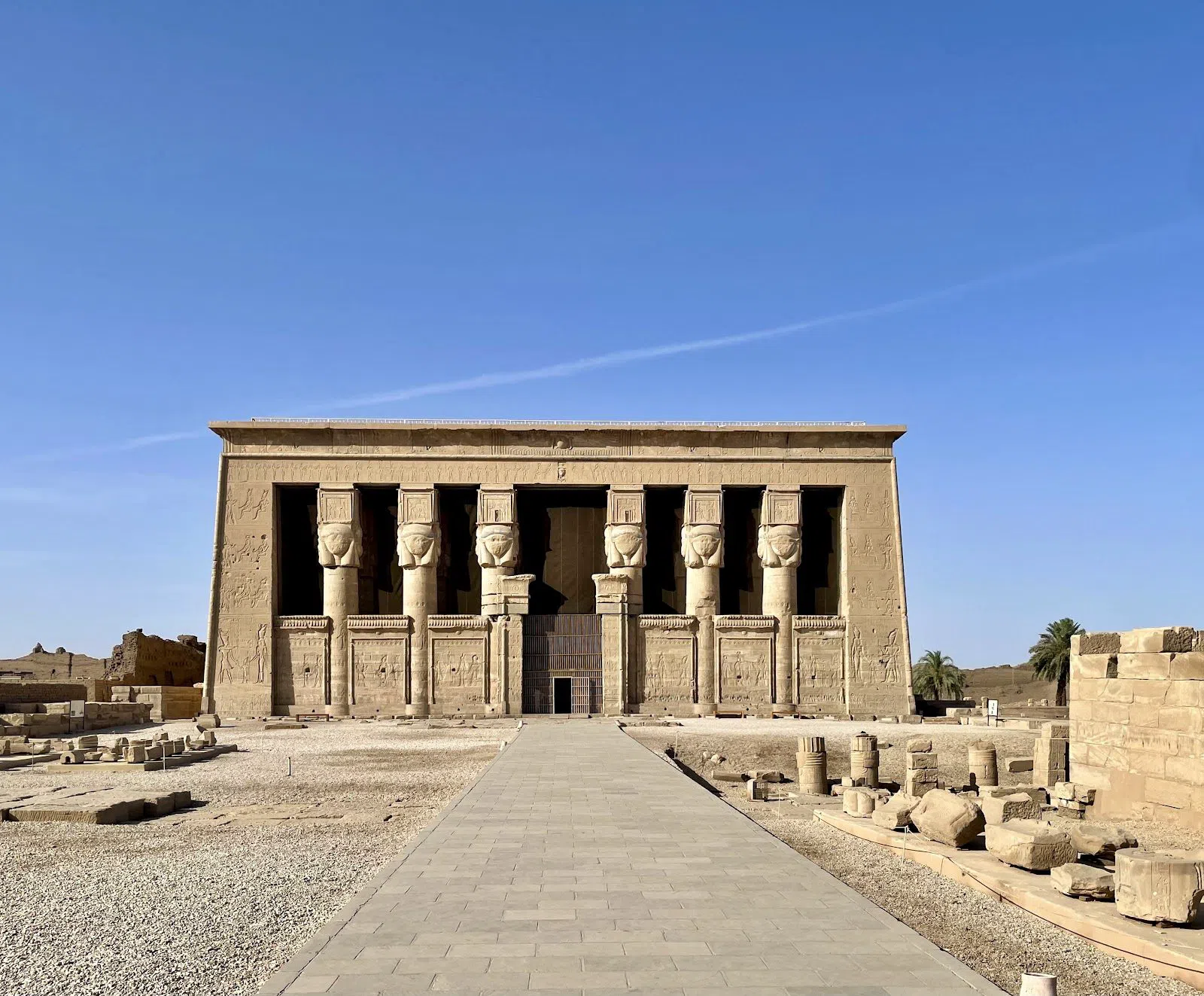
North of Luxor the road runs flat between sugar cane and irrigation canals, past brick kilns and pickups stacked with fodder, and for the first hour there is nothing much to look at but the river doing its work. Then a bare sandstone wall appears behind a coach park, and inside it the ceiling is still painted: deep blue, ranks of vultures, the sky goddess swallowing the sun each evening and giving birth to it each morning. Two of the finest temples in the country sit within a morning's drive of the city, and most Luxor itineraries never leave the two banks.
What the drive actually costs you
Be honest about the hours before you book anything. Dendera is roughly an hour north on good road. Abydos is a genuine three hours each way, not the two and a bit a driver may promise, which makes the pair a ten- to twelve-hour day, door to door. It is not something to bolt onto a morning on the west bank, and anyone selling it as a half-day is either mistaken or planning to give you twenty minutes at each site.
The order matters more than people realise. Drive the long leg first, leaving in the dark, and reach Abydos not long after it opens. The coaches tend to land in the middle of the day, and the King List corridor at nine in the morning is a quiet hour where the same corridor at noon is a scrum. Dendera then becomes the afternoon stop on the way home, around two hours back down the valley. Watch the clock on the return: Dendera's last entry is 16:00, and a slow lunch at Abydos is the usual way people lose it.
There is a two-day version, and it is better. It changes what you see rather than just how tired you are.
Plan your Luxor trip
Live prices from our booking partners.
Free cancellation on many rooms. We may earn a commission when you book.
Dendera, where the roof is the whole point
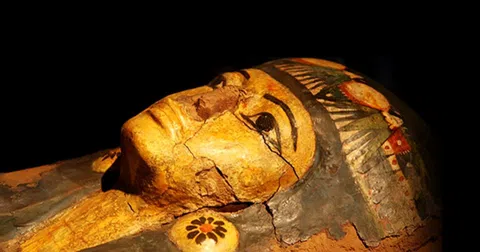
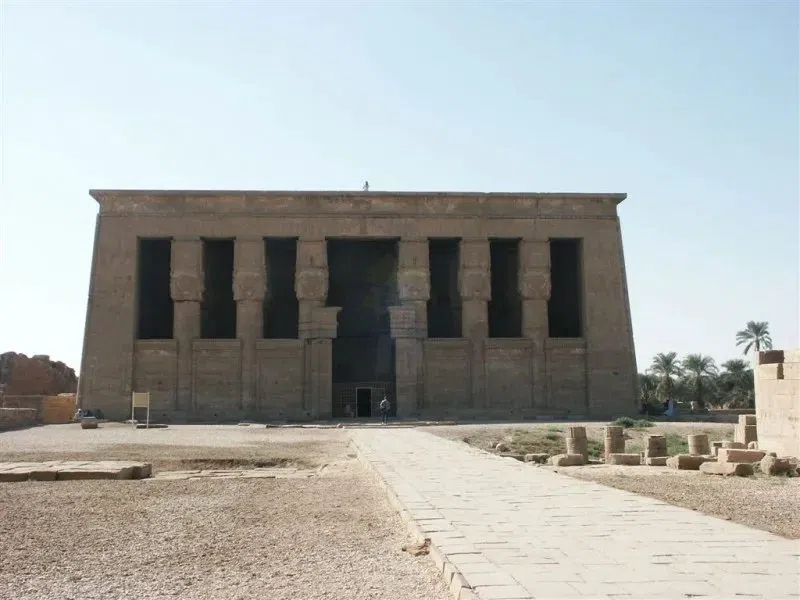
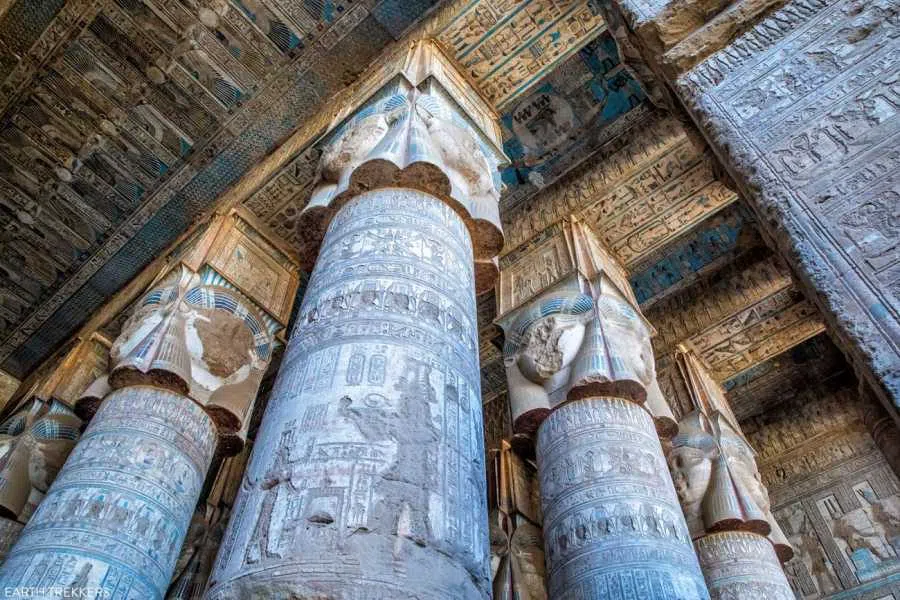
Dendera Temple Complex (Temple of Hathor) stands on the desert edge above the west bank of the river, an hour north of Luxor. What survives is late: the great hypostyle hall is Roman-era work on a site that had been sacred for far longer, and that lateness is exactly why it is intact. The columns carry Hathor's face on all four sides, and the ceiling above them is the best-preserved temple ceiling in Egypt, with registers of sky-goddesses, boats, decans and constellations. It was blackened for centuries by the cooking fires of people who sheltered in the hall, and cleaned back in recent decades to colour that looks freshly mixed.
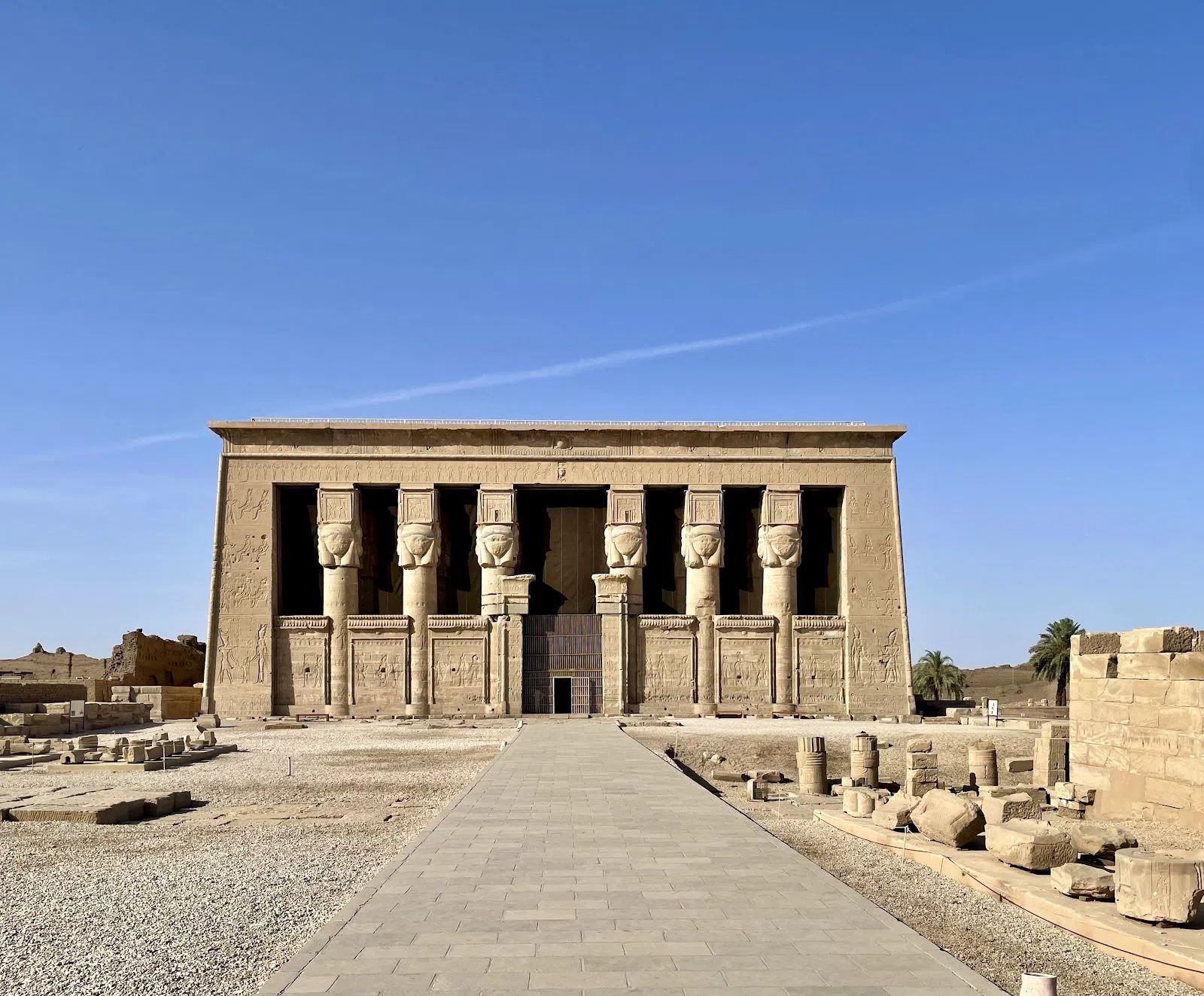
Entry is 300 EGP for adults and 150 EGP for students, with the roof and crypt add-ons at around 100 EGP each. Pay both. The roof chapels are the reason to make the drive: the circular zodiac sits in situ as a replica, the original having been cut out and taken to the Louvre in the nineteenth century, and the open terrace gives you the only wide view of the complex you will get. The crypts are narrow, low and worth the small claustrophobia for reliefs you can read at arm's length. On the rear exterior wall, walk round to the giant figures of Cleopatra and her son Caesarion, one of the very few contemporary depictions of her, and a plain reminder that this temple was being finished while Rome was arriving.
It is a state site with a ticket office and a coach park, so group size is not an issue: a family of three and a party of forty are handled the same way, and guides are routine. Opening is roughly 07:00 to 17:00, with last entry at 16:00. Card payment is now normal at the gate, though the machine is not always in the mood.
Abydos and carving that spoils you for anywhere else
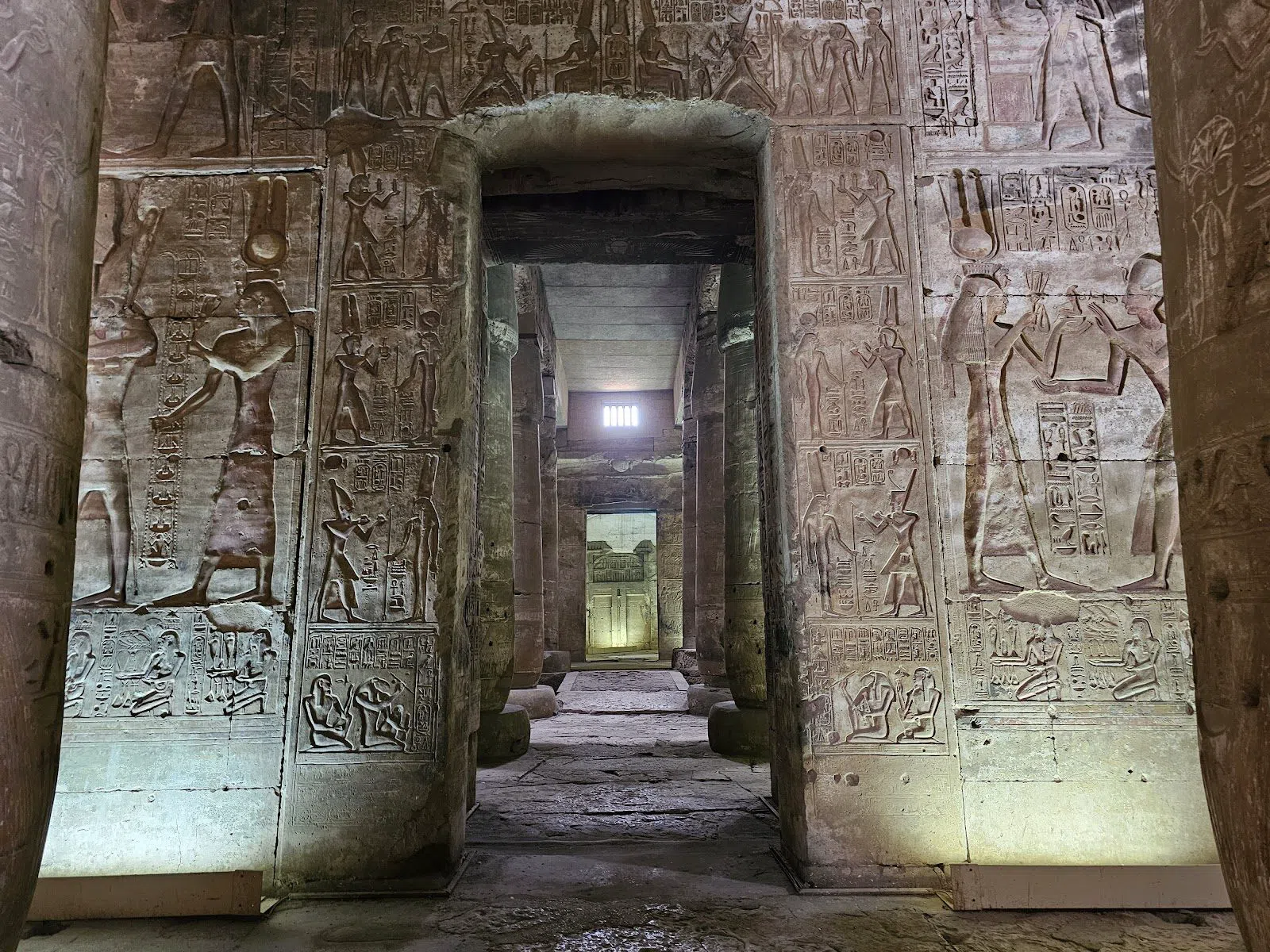
Temple of Seti I, Abydos sits at the edge of a village three hours north of Luxor, and the drive is the price of admission to the best relief carving in Egypt. Seti I built it in the thirteenth century BC on the ground the Egyptians believed held the tomb of Osiris, which is why it has seven sanctuaries instead of the usual one, a chapel each for Osiris, Isis, Horus, Amun-Ra, Ra-Horakhty, Ptah and the king himself. Work stopped at his death, and you can see the moment it happened: the fine, shallow raised relief of the inner rooms, cut so precisely the figures still look alive, gives way in the outer courts to the fast, deep sunk relief his son ordered instead.
Tickets are 260 EGP for adults and 130 EGP for students. The set-piece is the corridor of the King List, where Seti and the young Ramesses read out a line of cartouches naming their predecessors, an official version of history with the inconvenient reigns left out. It is the most photographed wall on the site and the one place where a small queue forms, which is the argument for arriving early.
Abydos is far quieter than the Luxor west bank. Coaches come, but they come in ones and twos, and for much of the morning you may share the seven chapels with a guard and a cat.
The monument you can only look down into
Behind and below the temple lies The Osireion, reached on the same Abydos ticket from a path along its perimeter. It looks nothing like anything else in the country: cyclopean granite piers of a scale you associate with the Giza plateau, set in a sunken hall with groundwater standing in it, black and still, where every other temple in Upper Egypt is dry sandstone. It was built as a symbolic tomb of Osiris, and the water is part of the point, the mound rising from the primeval flood.
Be clear about access, because operators sometimes are not. Ordinary visitors look at it from above. Descending inside is permit-only, the permits are rare, capped and expensive, and they are arranged months out by specialists rather than sold at the gate. If someone offers to walk you down as part of a standard day trip, they are selling you something they cannot deliver.
The temple most day trips drive straight past
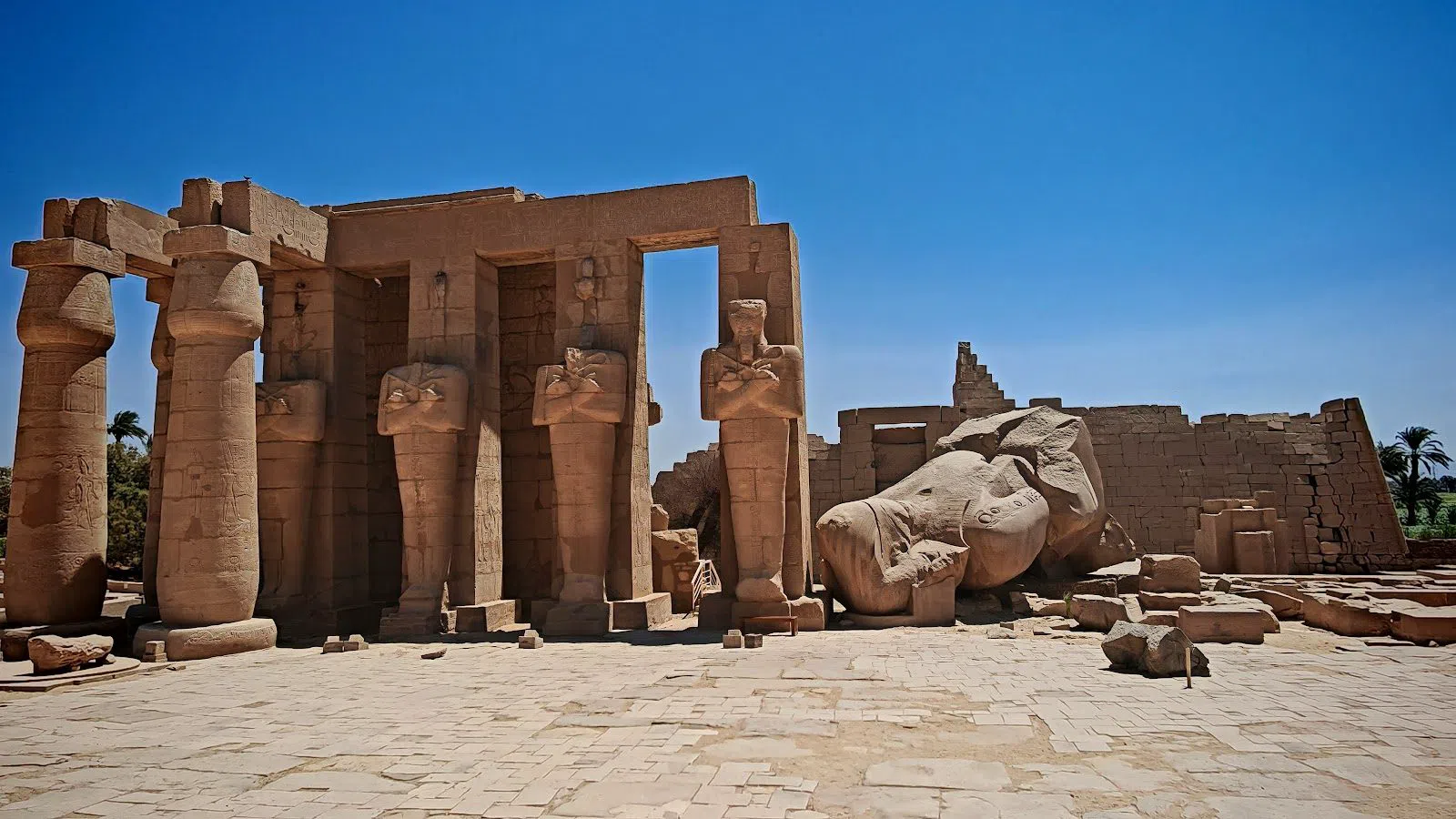
Five minutes' walk from Seti's temple, on the same Abydos site, stands the Temple of Ramesses II, Abydos (the Portal Temple): smaller, roofless, and skipped by the overwhelming majority of visitors. There is no meaningful extra charge beyond the Abydos ticket, but there is a guard at the gate and you should carry small notes for him.
The missing roof cuts both ways. At midday the light is flat and harsh and the photographs are hopeless. In the first or last hour of the day, the open-air reliefs show colour better than anything comparable in the region: reds and blues sitting in the cut lines of limestone that has been under open sky for three thousand years and somehow kept them. Give it twenty minutes at the end of your time at Seti's temple, when the sun has moved off the vertical.
Lunch and the case for a second day
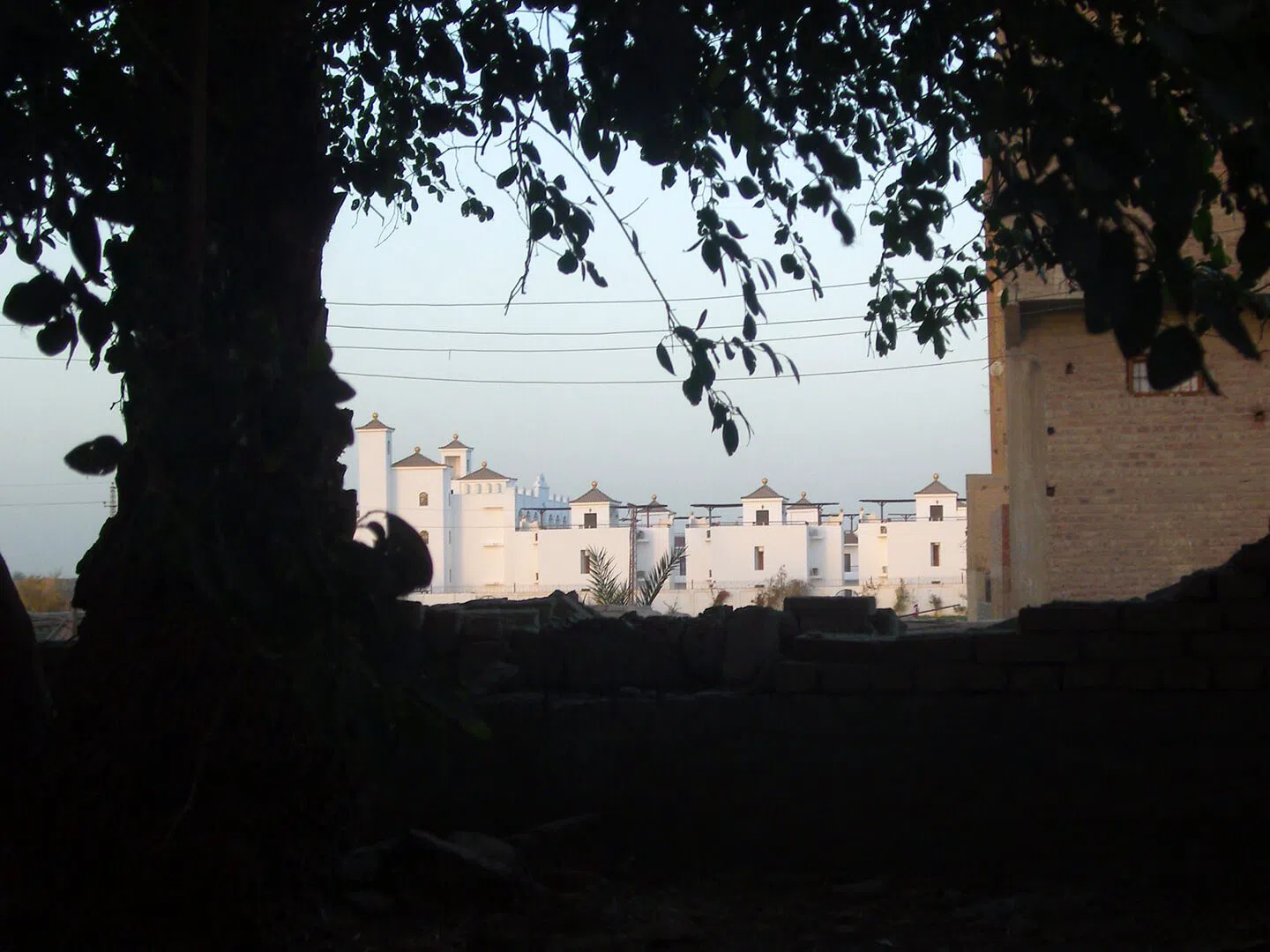
House of Life Abydos is the hotel and restaurant beside the site, and effectively the only civilised lunch stop out there. It is set up for groups, courses and conferences as well as individuals, so a group lunch is a matter of arranging it with reception in advance rather than turning up hopefully with fourteen people. Rooms run roughly $130 to $150 single and $195 to $243 double per night, meals included.
Staying the night is the strongest argument for treating this as two days rather than one. Do Dendera on the way north in the afternoon, sleep at Abydos, and be at the gate of Seti's temple when it opens, before any coach has left a cruise boat. An empty King List corridor is a different experience from a shared one, and you save yourself six hours in a car on a single day. If you would rather keep your base in the city and take the long day, the Luxor hotel search covers the east and west bank options.
Booking the day without your own car
Memphis Tours is the safe default for most readers, a long-established Egyptian operator in good standing with the national travel agents' association, running private and group departures with hotel and Nile-cruise pickup on both banks. Prices start around $150 per person for a private full day and fall per head as the group grows, with entrance fees, guide and lunch on one line item, which is what you want when you would rather not haggle at three separate ticket windows.
Emo Tours Egypt runs the same day on a fixed daily schedule, roughly 06:00 to 16:00, with pickup from hotels or cruise boats and pricing per head from about $150 including guide, entrance fees, transport and water. Because it goes daily, it is the easy booking for people who decide on this late in their stay. Confirm whether lunch is included, as it usually is not.

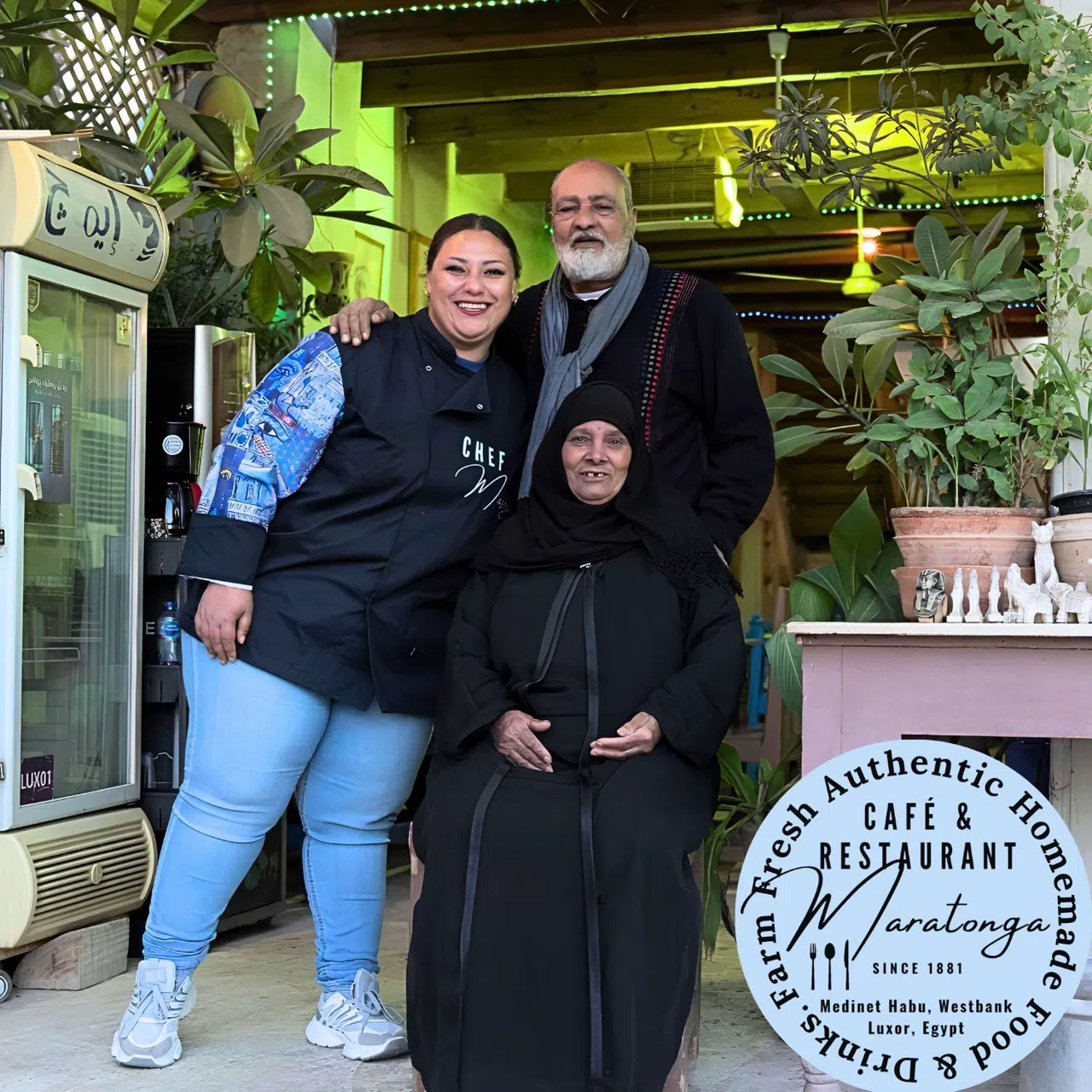
Mara House Luxor is a guesthouse and private tour operator in the city, run by a long-term resident who arranges the Dendera and Abydos day properly for small parties, including the special-permission access that ordinary tickets do not cover. It is owner-run rather than a call centre, so book well ahead; specialist packages reach four figures at the top end. This is the choice when you want more than a minibus and a stopwatch.
Encounters Travel works differently: small-group departures of around a dozen travellers, sold inside multi-day Egypt itineraries rather than as a standalone day rate. Solo travellers and couples join fixed dates, which suits anyone who does not want to arrange a private car at all. Book their dates for October to April; Upper Egypt in high summer turns this into a punishing day.
Going by river instead
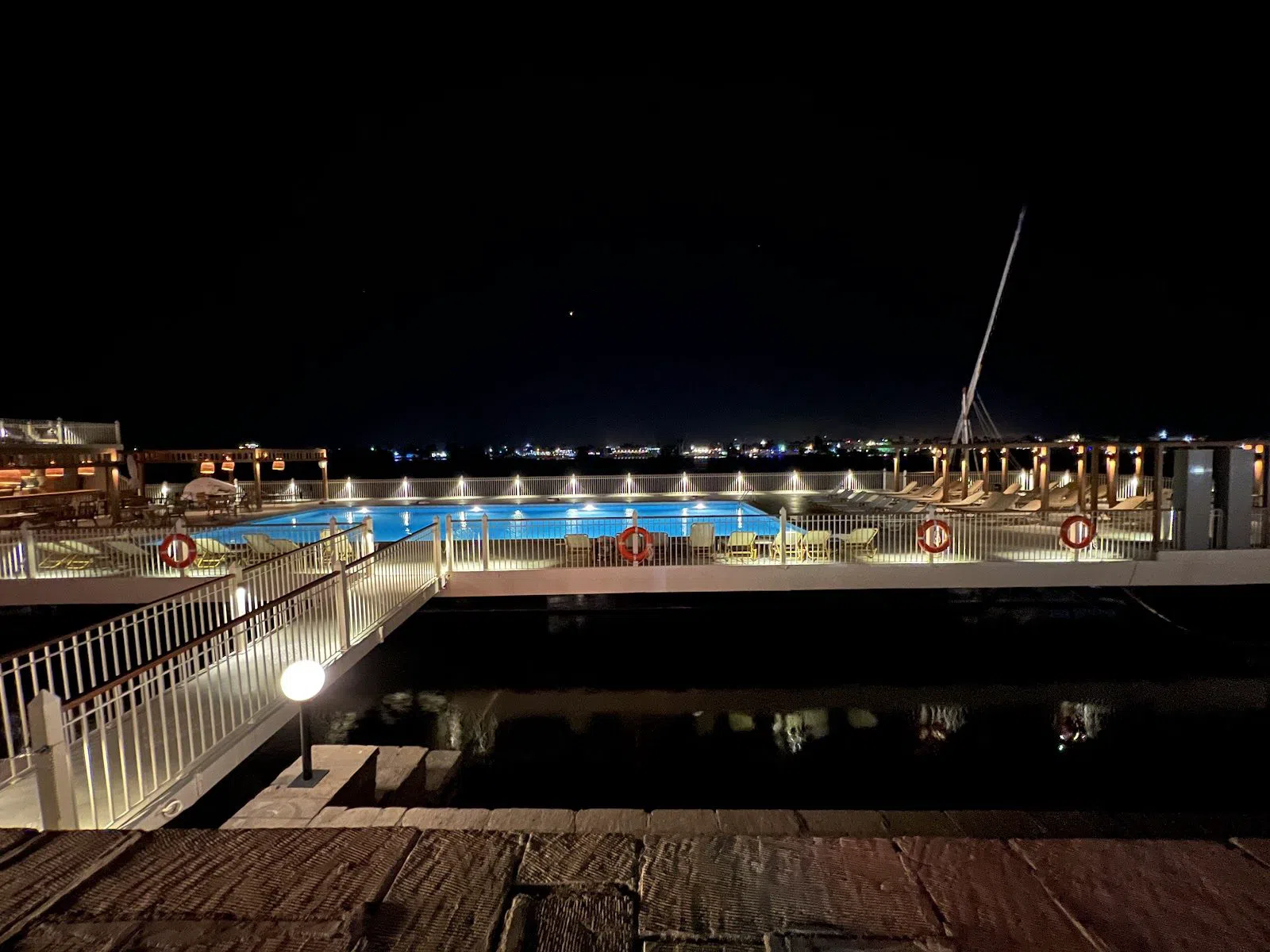
For Dendera alone there is a boat. The Iberotel Lotus Boat — Dendera day cruise leaves from the corniche and sails north on fixed days with an open buffet lunch, at about $100 to $150 per adult. The arithmetic is unromantic: roughly ten hours on the water for two hours at the temple, so this is for people who want the river itself rather than anyone optimising their time. Groups can block-book the boat. Sailings run on set days only; book through the Iberotel and phone to confirm the day before, because the schedule moves with demand and the lock traffic.
Money, timing and what to carry
Budget roughly 660 to 760 EGP per adult in tickets for the full pairing: 300 for Dendera plus around 100 each for the roof and crypt, and 260 for Abydos, which also covers the Osireion view and the Portal Temple. On top of that, a private car with driver and guide through an operator lands around $150 per person for two, and considerably less each for four or more. Lunch at Abydos is extra unless your operator has bought it.
Cards work at the Dendera gate and increasingly elsewhere, but carry cash anyway: Egyptian pounds in small notes for the site guards, the toilets and tea, and enough that a dead card machine is an inconvenience rather than a wasted six-hour drive. Bring more water than you think, because there is nothing to buy between the sites.
On timing: October to April is the season for this. Leave the city by 06:00 for the one-day version, be at Abydos by 09:00, allow two hours there and ninety minutes at Dendera, and expect to be back around 17:00. Nothing on the route needs booking except your car and, if you want it, the lunch. The temples are open sites with ticket offices that take everyone from a couple to a coach. For the rest of what to do either side of this day, see the Luxor guide.
Before you go
How long does the Dendera and Abydos day trip from Luxor take?
Ten to twelve hours door to door. Dendera is about an hour north of Luxor, Abydos a genuine three hours each way, and Abydos to Dendera is roughly two hours. Leaving at 06:00 gets you to Abydos soon after opening and back in the city around 17:00.
How much do tickets cost at Dendera and Abydos?
Dendera is 300 EGP for adults and 150 EGP for students, with roof and crypt add-ons at around 100 EGP each. Abydos is 260 EGP adult and 130 EGP student, and that ticket also covers the Osireion view and the Temple of Ramesses II. The Dendera gate takes cards, but carry small notes for guards and tips.
Can you go inside the Osireion at Abydos?
No. Ordinary visitors view it from the perimeter path above, which is included in the Abydos ticket. Descending inside needs a permit, and those permits are rare and very expensive. Specialists such as Mara House Luxor arrange them in advance; the gate does not sell them.
Is it worth doing Dendera and Abydos in one day, or splitting them?
One day works if you start early and accept six hours in a car. Splitting is better: Dendera in the afternoon, a night at House of Life Abydos beside the site, then the Temple of Seti I at opening with almost nobody in it. That is the strongest version of this trip.
What is the best time of year to make this trip?
October to April. The sites are largely unshaded and the Temple of Ramesses II has no roof at all, so the drive plus several hours in open courts makes high summer in Upper Egypt a punishing day. In season, go at opening for the light and the quiet.