Especial Luxor
Deir el-Medina, where Luxor's tomb-builders buried their own
The painters who decorated the royal tombs lived in this walled village, and three of the tombs they cut for themselves are open at 6 a.m.

Por Hanne VermeerReading Luxor the way it was built
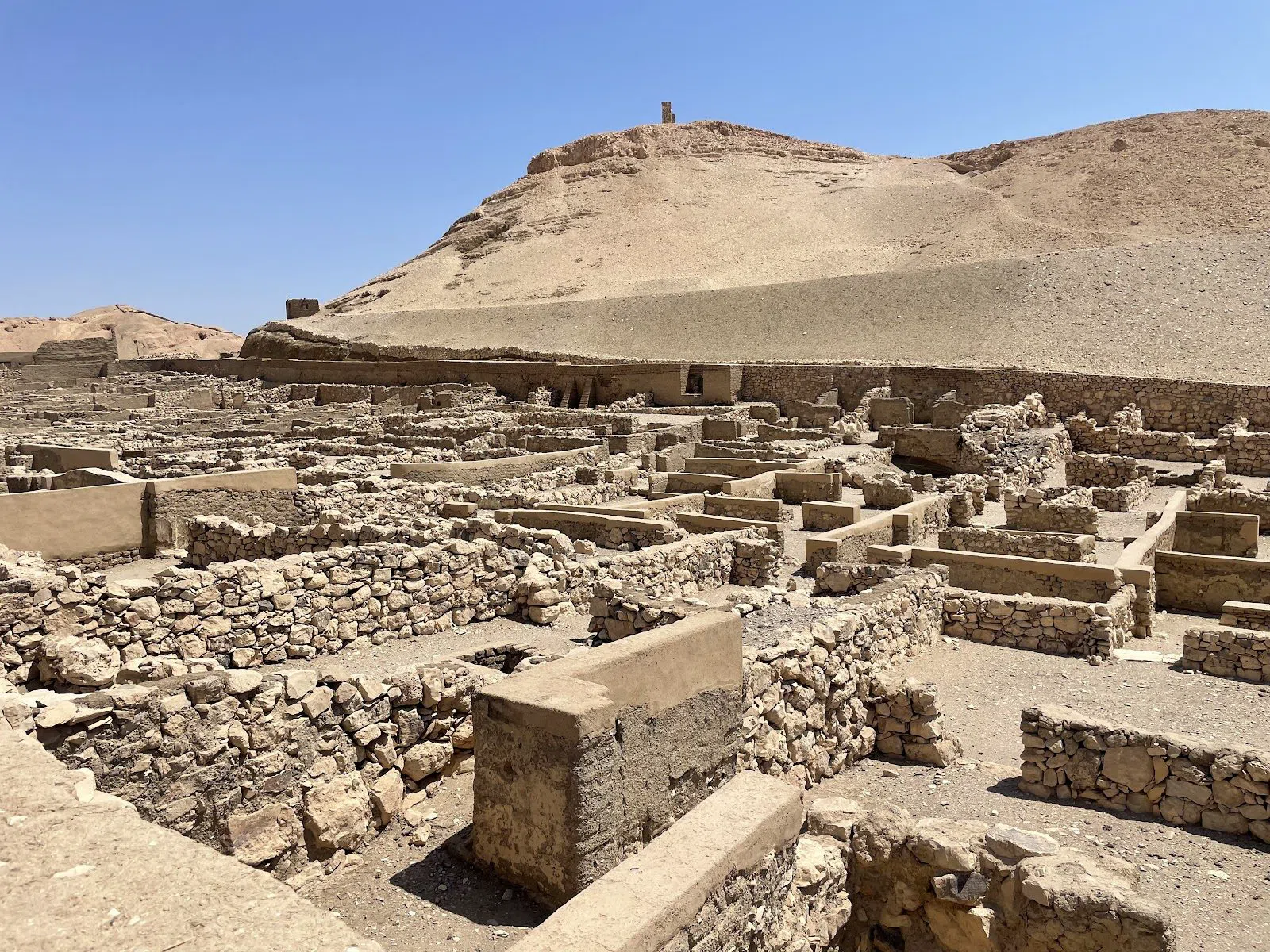
The men who cut and painted the royal tombs of Luxor lived at Deir el-Medina, and three of their own tombs are open above their houses. The site is open 6 a.m. to 5 p.m., and in the 2026 season a ticket is E£220 for a foreign adult and E£110 for a foreign student. There is no shade anywhere in it. Only a handful of people fit inside Sennedjem, Inherkhau and Pashedu at a time.
Inside the village walls
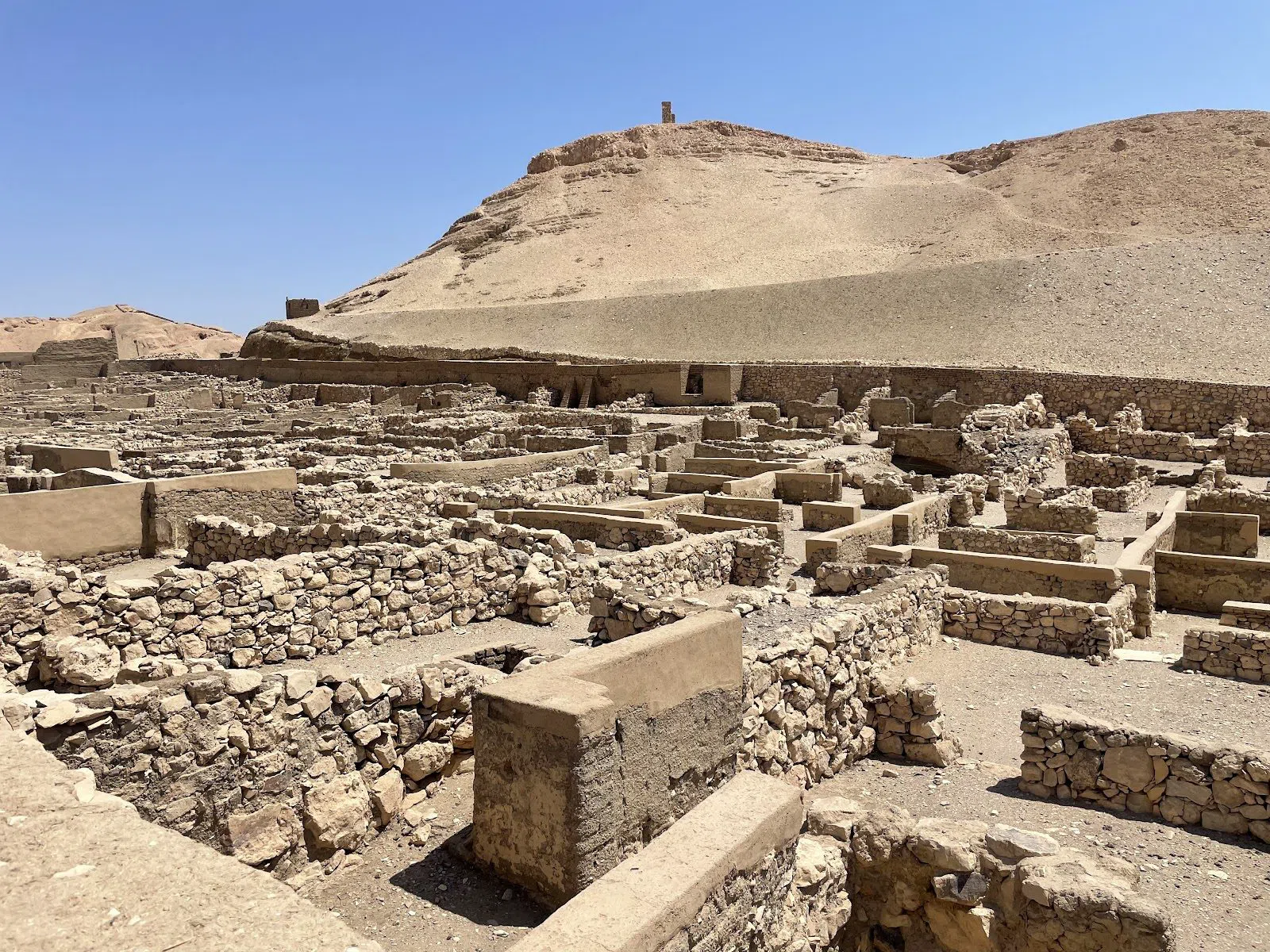
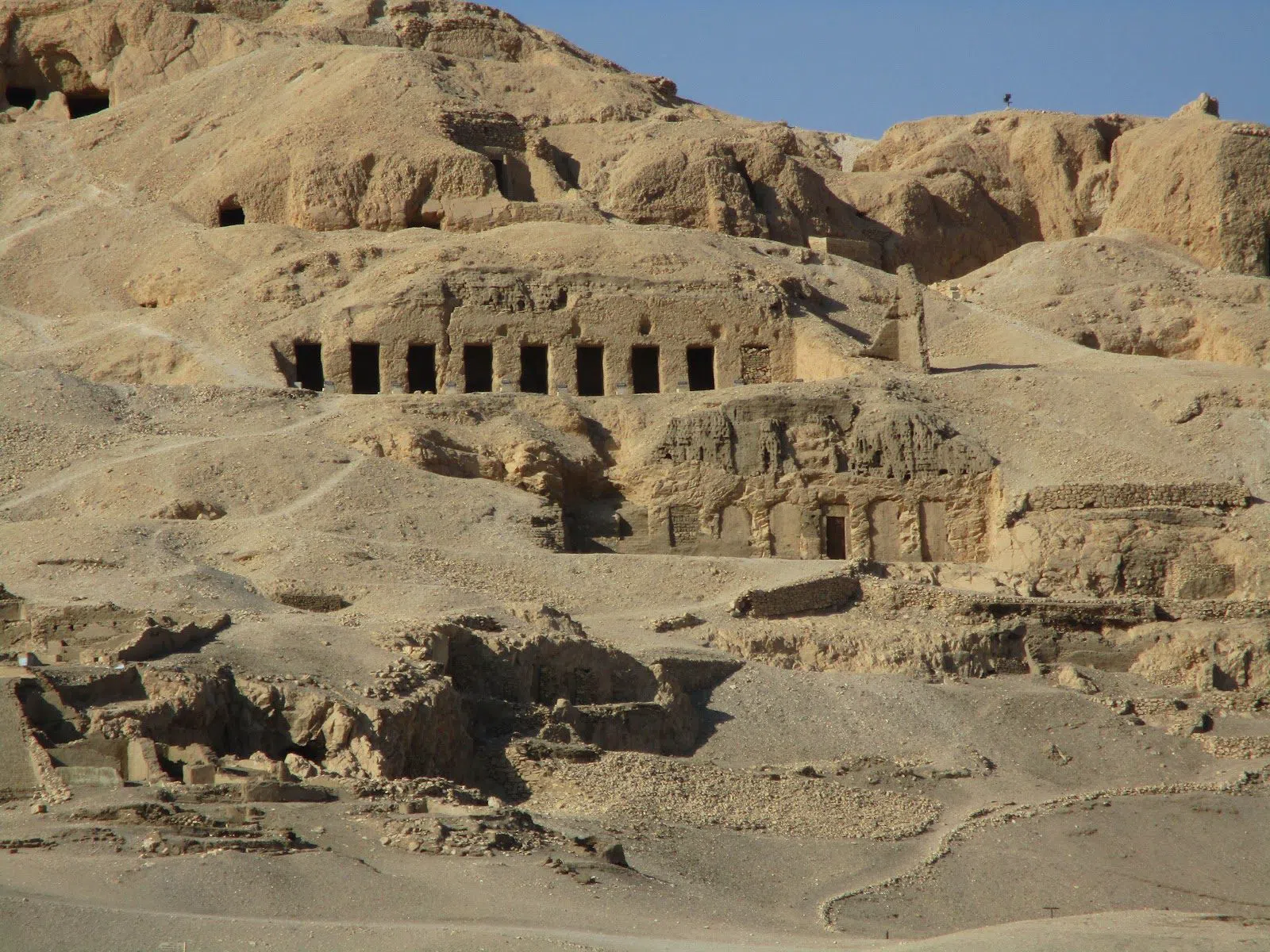
The village sits in a sandy bowl under the Qurnet Murai cliffs, a walled grid of mud-brick houses whose walls now come up to about waist height. You walk the streets of the village itself, then climb to the tombs of the people who lived on them. Modern stone doorways mark the tomb entrances cut into the slope above the houses.
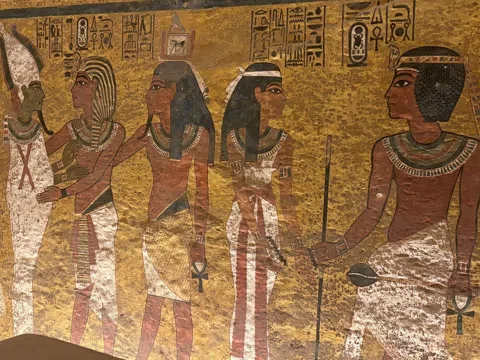
The three open chambers are Sennedjem (TT1), Inherkhau (TT359) and Pashedu (TT3), and the painting in them is what people come down the track for. A small sandstone temple of Hathor from the Ptolemaic period sits inside its own enclosure wall. Allow 60 to 90 minutes for the whole bowl.
Planeje sua viagem para Luxor
Preços em tempo real dos nossos parceiros de reserva.
Cancelamento grátis em muitos quartos. Podemos receber uma comissão quando você reserva.
Tickets and the queue at the stairs
Coach and private groups arrive all morning. The painted tombs are small and take only a few visitors at once, so when a full coach lands, most of it waits at the stairs while the first group is inside. Arriving at opening avoids that.
The site takes no bookings and has no door policy, so you simply walk in. Guided West Bank days run seven days a week and fill steadily, so book ahead if a particular date matters.
Valley of the Queens, Medinet Habu and the Tombs of the Nobles
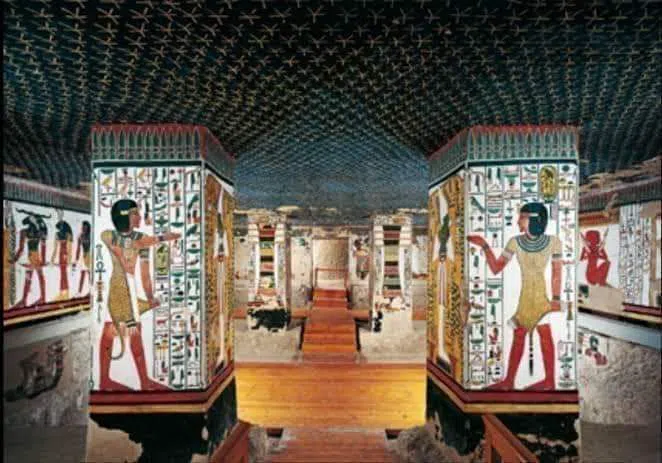
The Valley of the Queens (Biban al-Harim, about a kilometre from Deir el-Medina) is a narrow dry wadi of numbered metal tomb doors set into pale crumbling limestone, with timber canopies over the entrances and no greenery. Entry is E£220 for a foreign adult, E£110 for a student. The open tombs are shallow, and visitors move through them faster than at the artisans' village. Nefertari's tomb, QV66, has been shut for humidity monitoring since March 2024 and is still closed, so don't build a visit around it.
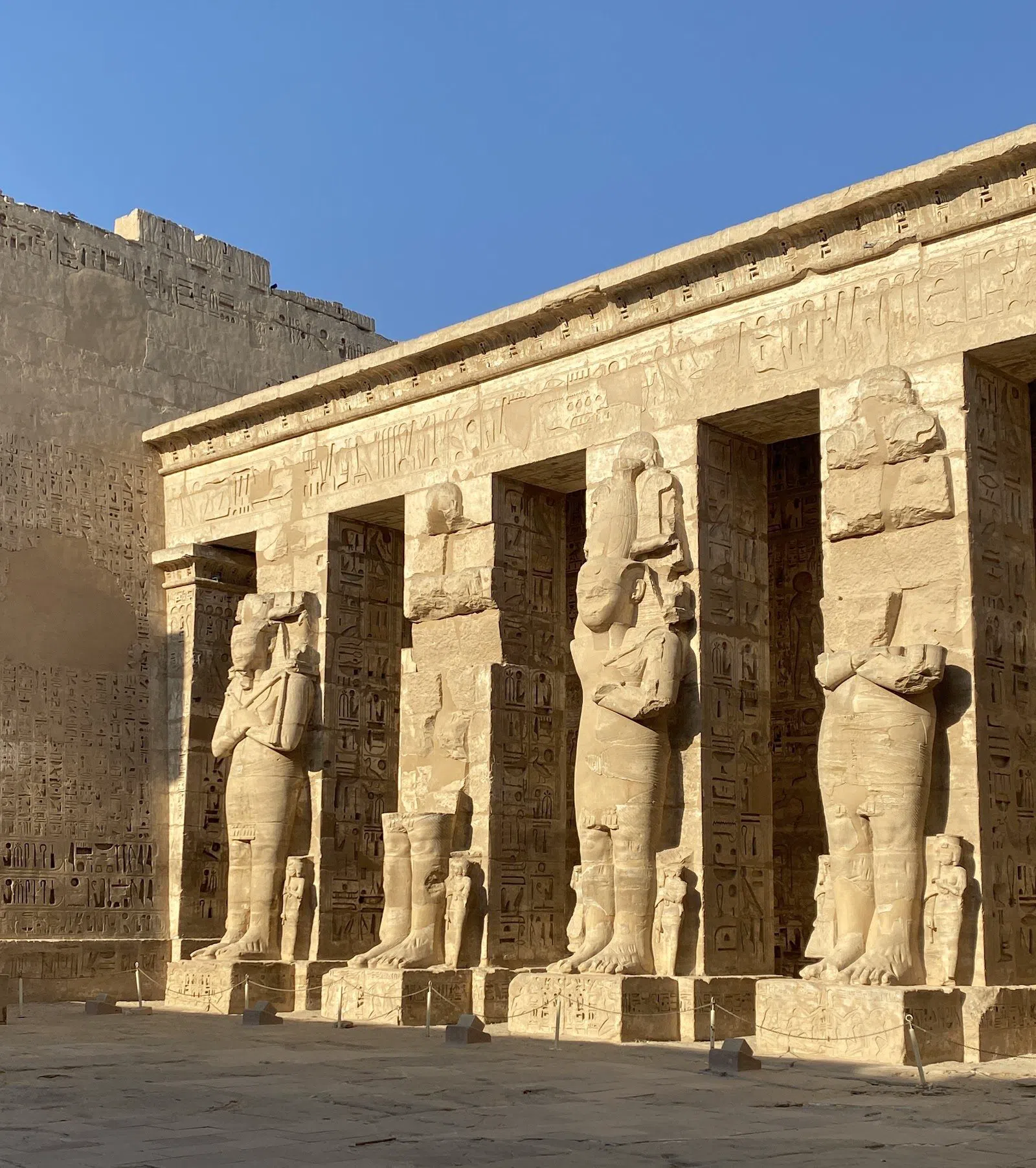
Medinet Habu (the mortuary temple of Ramesses III) is the best-preserved temple on the West Bank and the natural second half of a Deir el-Medina morning. A fortress-like migdol gatehouse opens onto a first pylon of deeply incised battle reliefs, and original red, blue and yellow paint survives high on the court columns. Entry is E£220, or E£110 for a student. The courts are huge and absorb the crowds. Conservation work in 2026 has roped off parts of the temple and the smaller structures, so expect some areas fenced.
The Tombs of the Nobles (Sheikh Abd el-Qurna) climb a brown terraced hillside honeycombed with rock-cut doorways, above the emptied mud-brick houses of Old Qurna, with the Theban cliffs behind. Tickets are sold in clusters at E£120 to E£200 for a foreign adult, depending on the cluster. Sennefer's vine-painted ceiling and Rekhmire's tribute scenes are the two to pick. Payment here went cashless for the 2026 season, so bring a card. Each tomb is a tight single chamber.
Hatshepsut, the Carter house and the Colossi
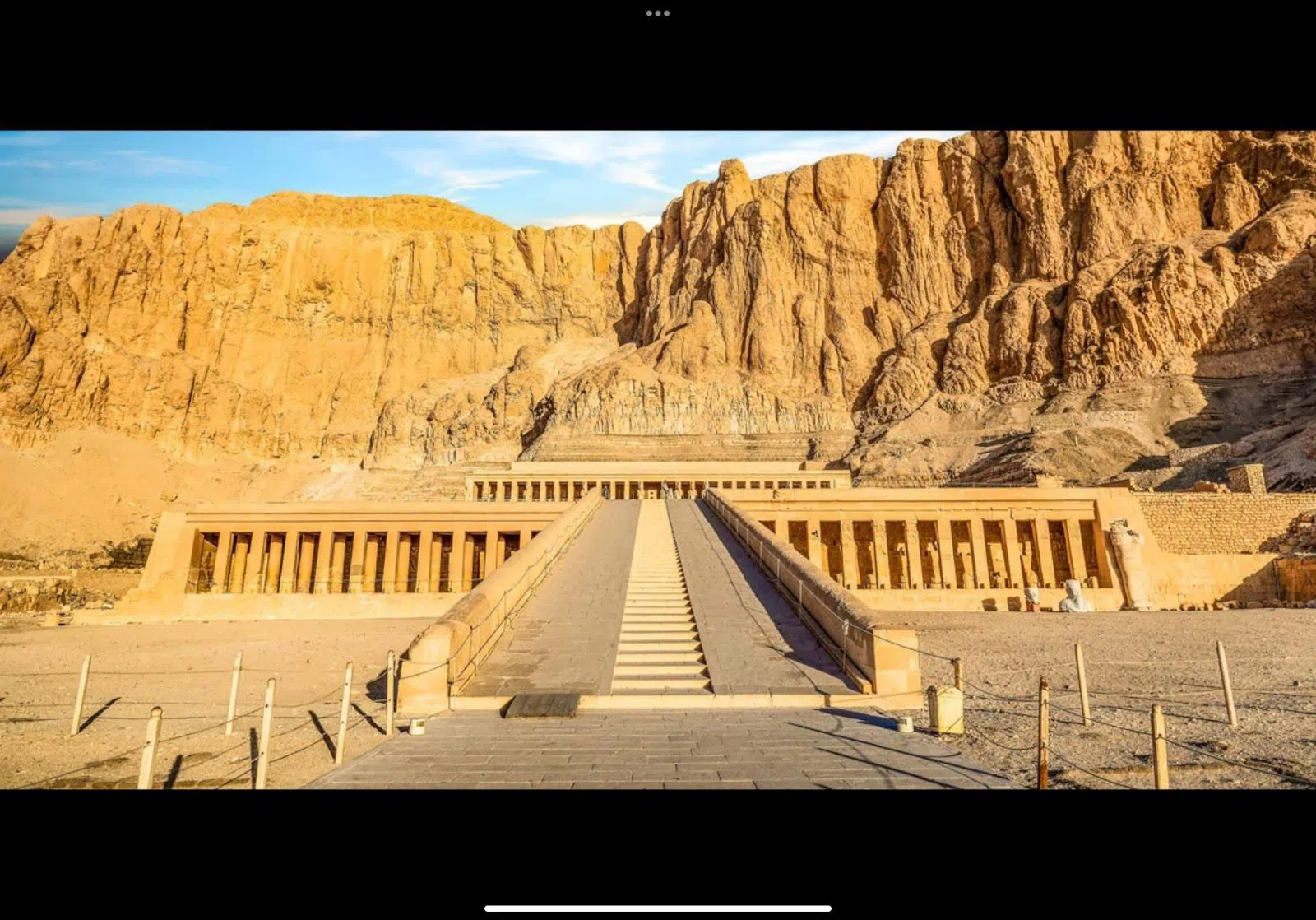
The Temple of Hatshepsut (Deir el-Bahari) is three stacked colonnaded limestone terraces built flat against a vast semicircular cliff amphitheatre, with one long ramp climbing the middle. It was built for volume, and it is the busiest West Bank site by a wide margin. Entry is E£440 for a foreign adult and E£220 for a student, double the Deir el-Medina ticket, and the visit is the opposite one: monumental, exposed and full of people.
Howard Carter House stands alone on a bare desert rise, a small whitewashed domed mud-brick house with green shutters, furnished as Carter left it. The low modern shed in its garden holds the Factum Arte full-scale copy of KV62, the exact replica made in 2014. One ticket covers both, E£220 for a foreign adult and E£110 for a student. It fills in who the Deir el-Medina artisans were working for.
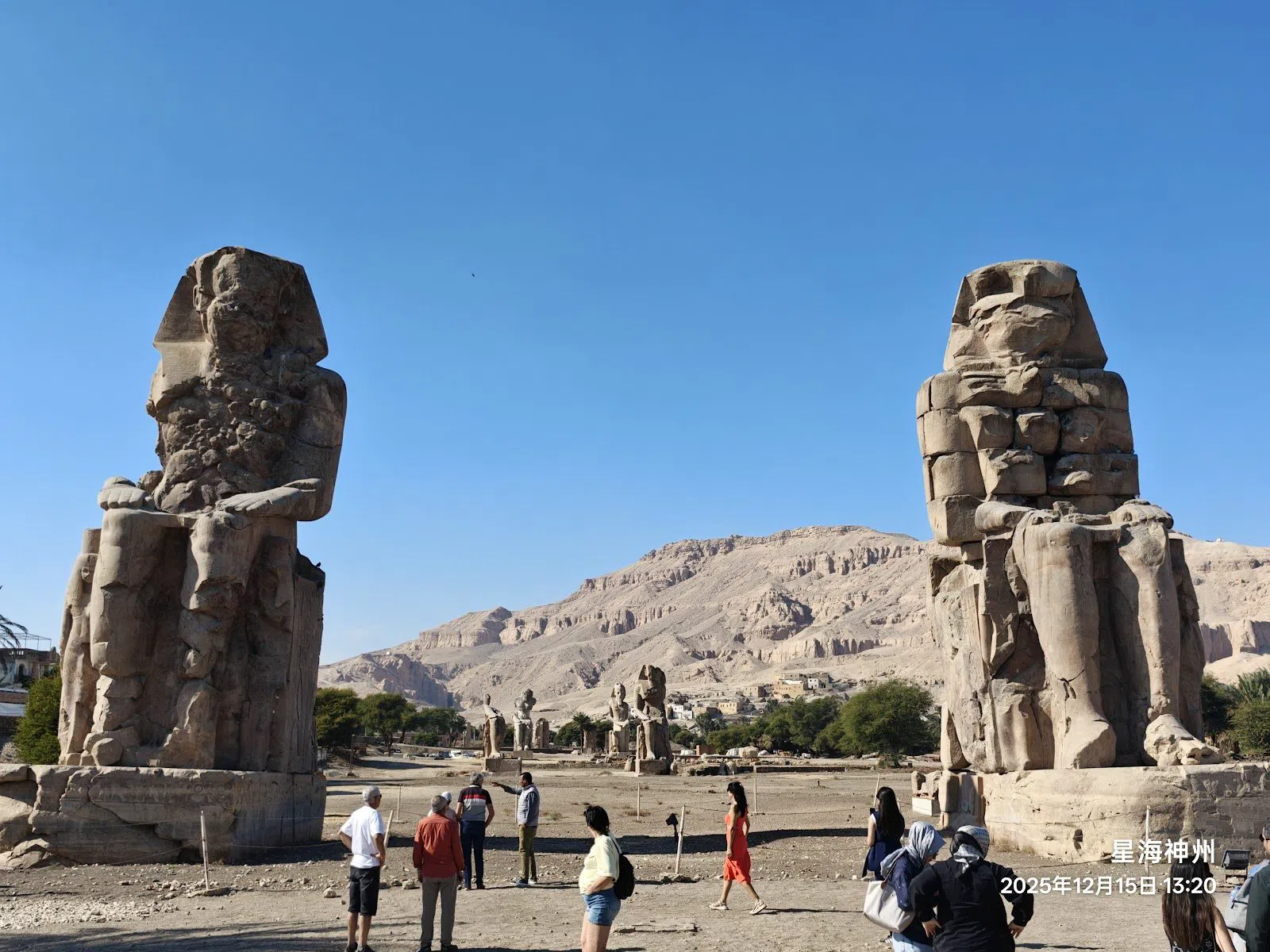
The Colossi of Memnon are two faceless, deeply eroded seated quartzite giants in a flat green field right beside the road into the whole Deir el-Medina area. There is no fence and no gate. They are free, open 24 hours, and need no ticket.
New Gurna
New Gurna was built in the 1940s to rehouse the Qurna families who had been living on top of the tombs, designed by Hassan Fathy in mud brick. Restoration with UNESCO finished in 2022. The mosque is ochre mud brick with a stepped minaret, domes and vaults, and beside it are a small open-air theatre and a khan courtyard under palms, all in hand-plastered earth.
Access to the restored mosque, khan and theatre is arranged through the local sustainable-architecture centre. Entry is free; leave a donation.
Eating near the ticket booths
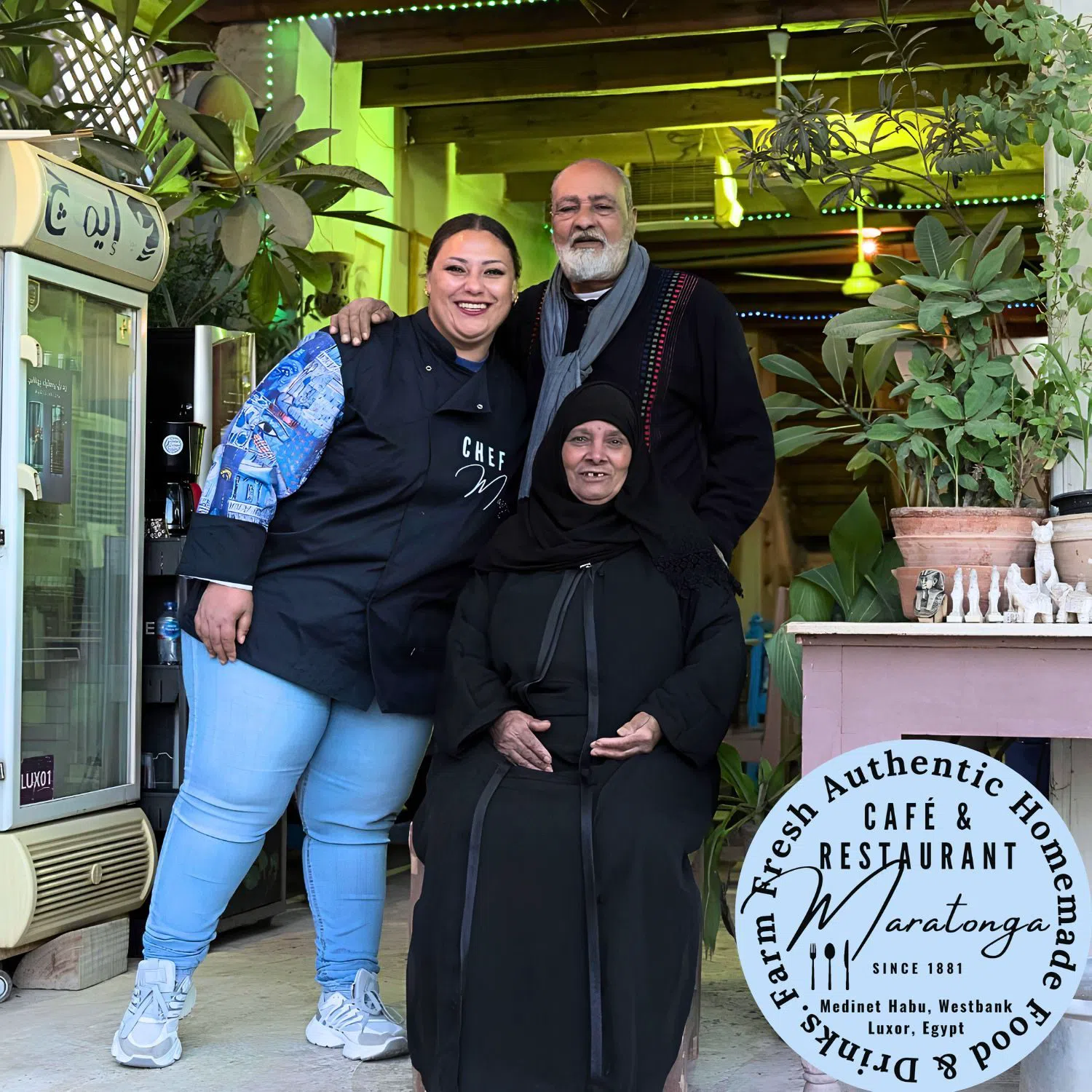
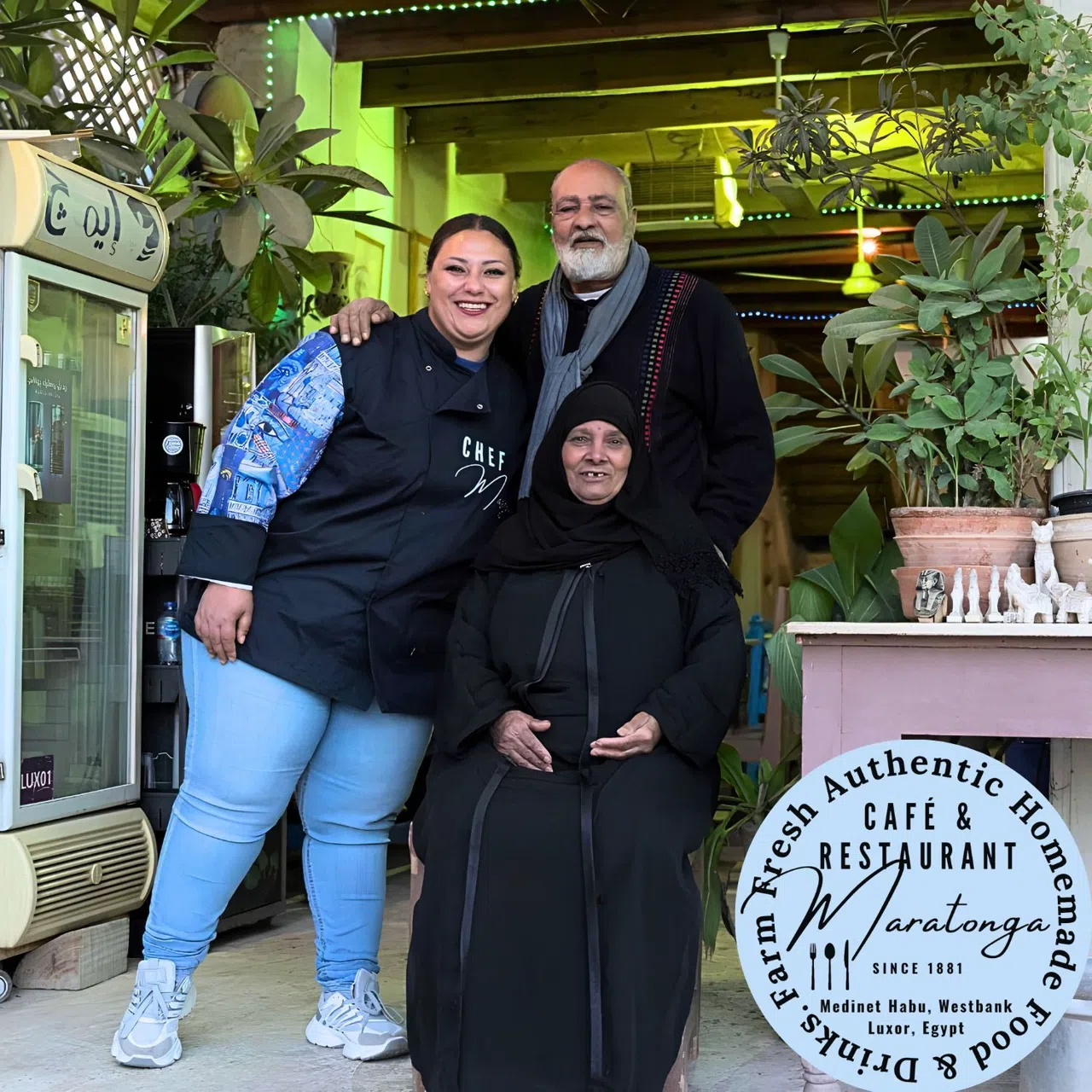
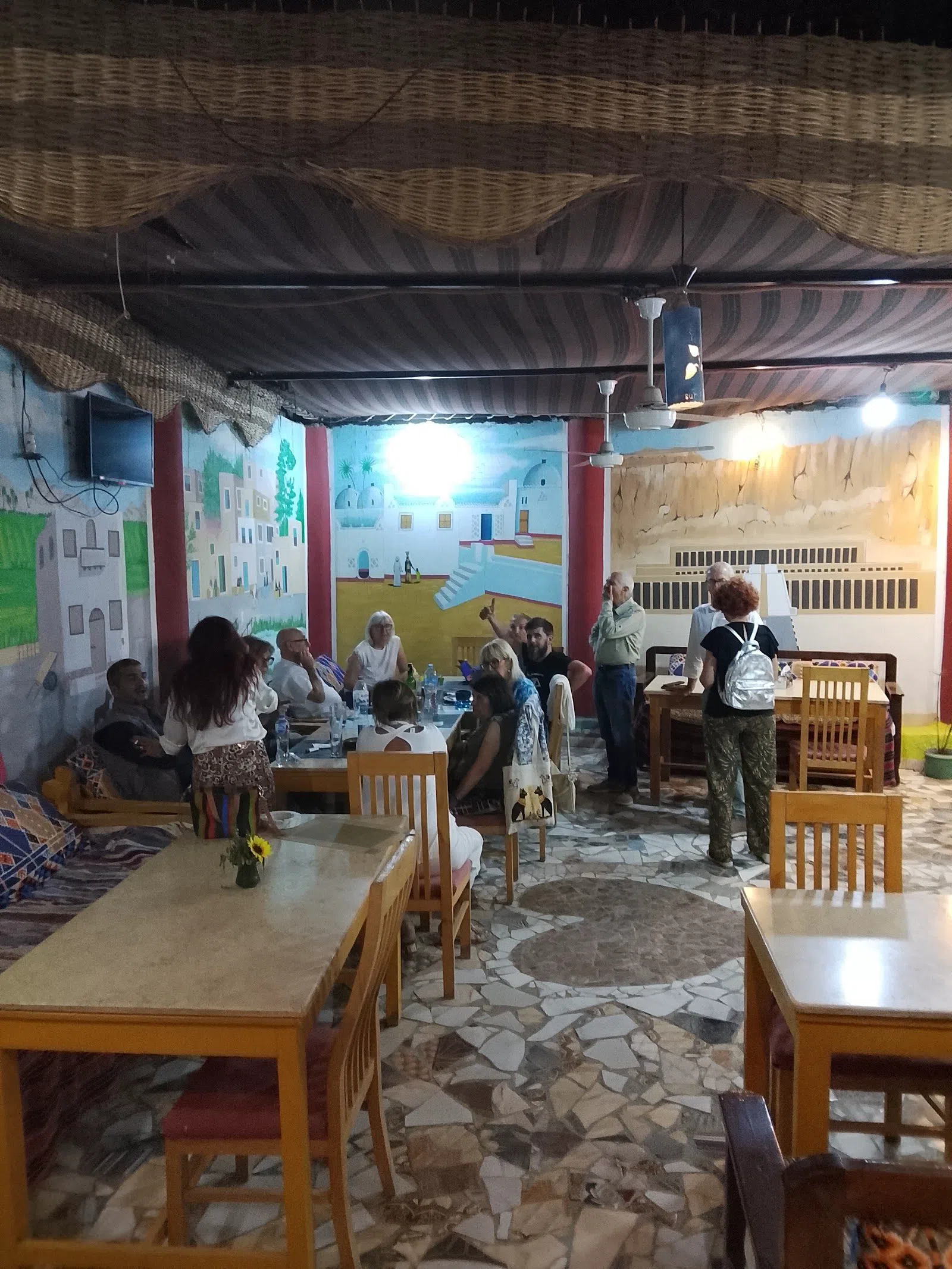
Café & Restaurant Maratonga (across the road from Medinet Habu) has a bread oven at the back and a shaded garden terrace of cane chairs that looks straight at the temple pylon. The interior is painted in Nile Delta colours. It is the oldest café on the West Bank, Egyptian-German family run, open 6 a.m. to 8 p.m. daily, and it handles vegan, gluten-free and lactose-free without fuss. Price band E£E£. It also runs cooking and baking classes for one to 20 people through Masrya's Kitchen.
Nour El Gourna (directly opposite the West Bank ticket booths) is a low mud-brick guesthouse with a vine-shaded garden dining area and the mountain ridge filling the view. The food is home-cooked Egyptian and halal, with vegetarian, vegan and dairy-free all handled. At E£ it is the cheapest lunch within walking distance of the ticket office, and it is a ten-minute walk from Medinet Habu.
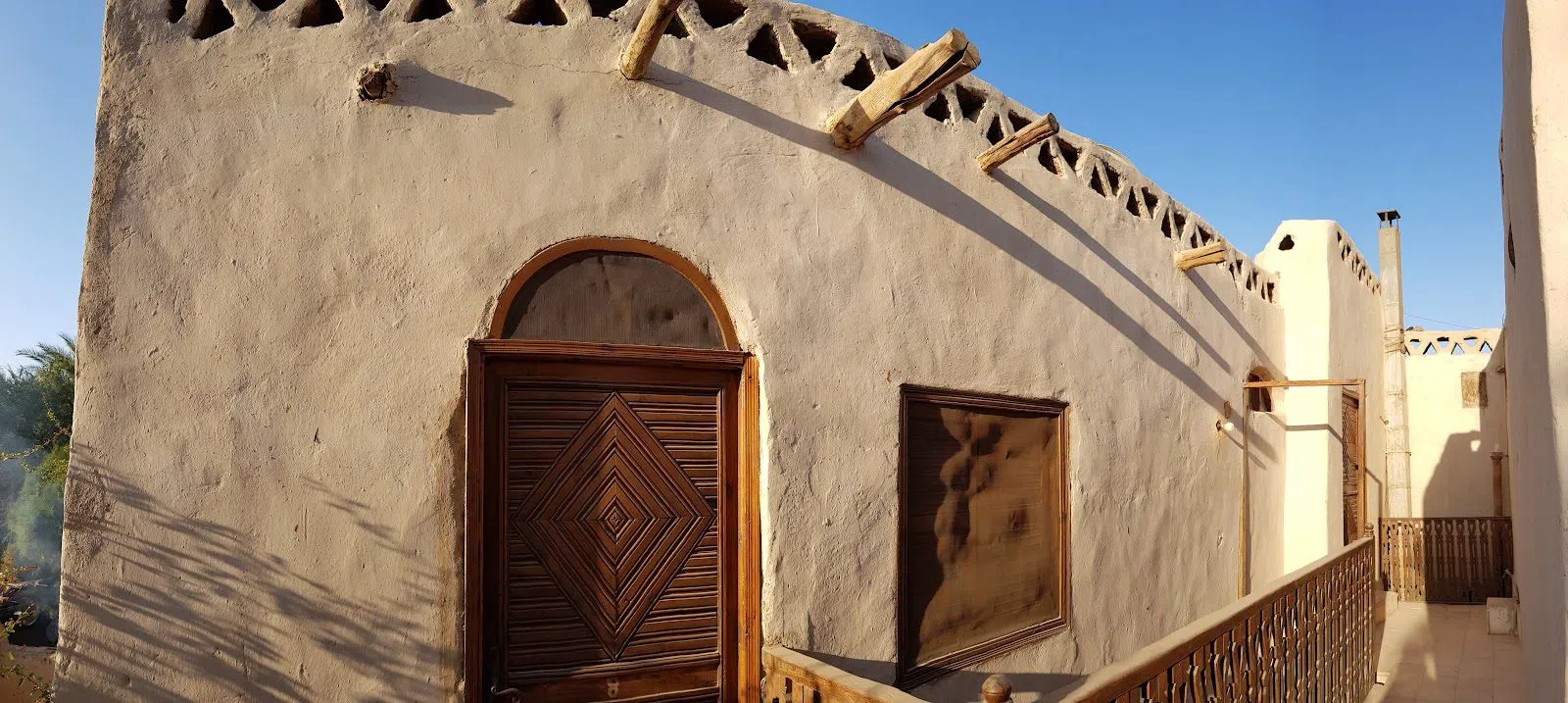
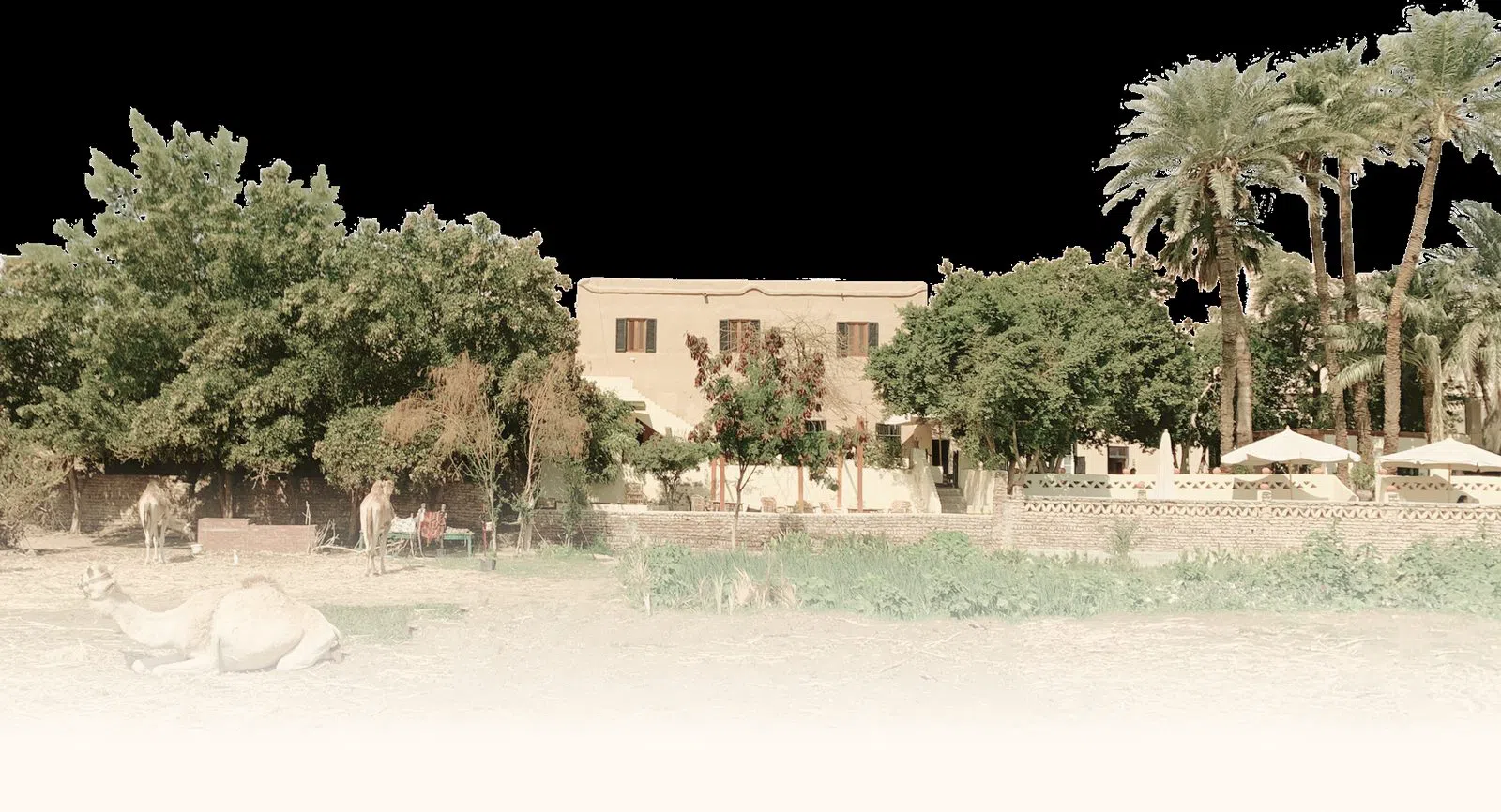
Marsam Hotel garden restaurant (minutes from Deir el-Medina) sets its tables among dense greenery in a mud-brick and stone dig-house courtyard, at the exact line where irrigated field turns to desert, Theban cliffs rising behind. The building was a University of Chicago excavation house a hundred years ago and has been a hotel since 1939. The kitchen cooks one set choice a day, chicken, meat, fish or vegetarian, with salads, rice, vegetables and bread from the oven on site; most of it is organic, and the fish comes from Lake Nasser. Nothing is printed as a menu. Phone your numbers through before you come. E£E£.
Sunflower Restaurant West Bank (Al Bairat, between Deir el-Medina and the river) has a charcoal grill by the entrance, a plain family dining room and a shaded terrace in the village lanes. It does grills and beef shawarma at E£, and it feeds local people rather than tour parties.
Dinner in Al Gezira and a drink by the ferry
Tutankhamon Restaurant (Al Gezira, a short walk from the West Bank ferry landing) carries lidded clay tagine pots straight to the table. Chef Mahmoud's spicing is the draw, and the vegan cooking is strong, including a spinach and chickpea tagine and a tahini salad. The street-front room is tiny, so a group has to book, and even then it is tight. E£E£.
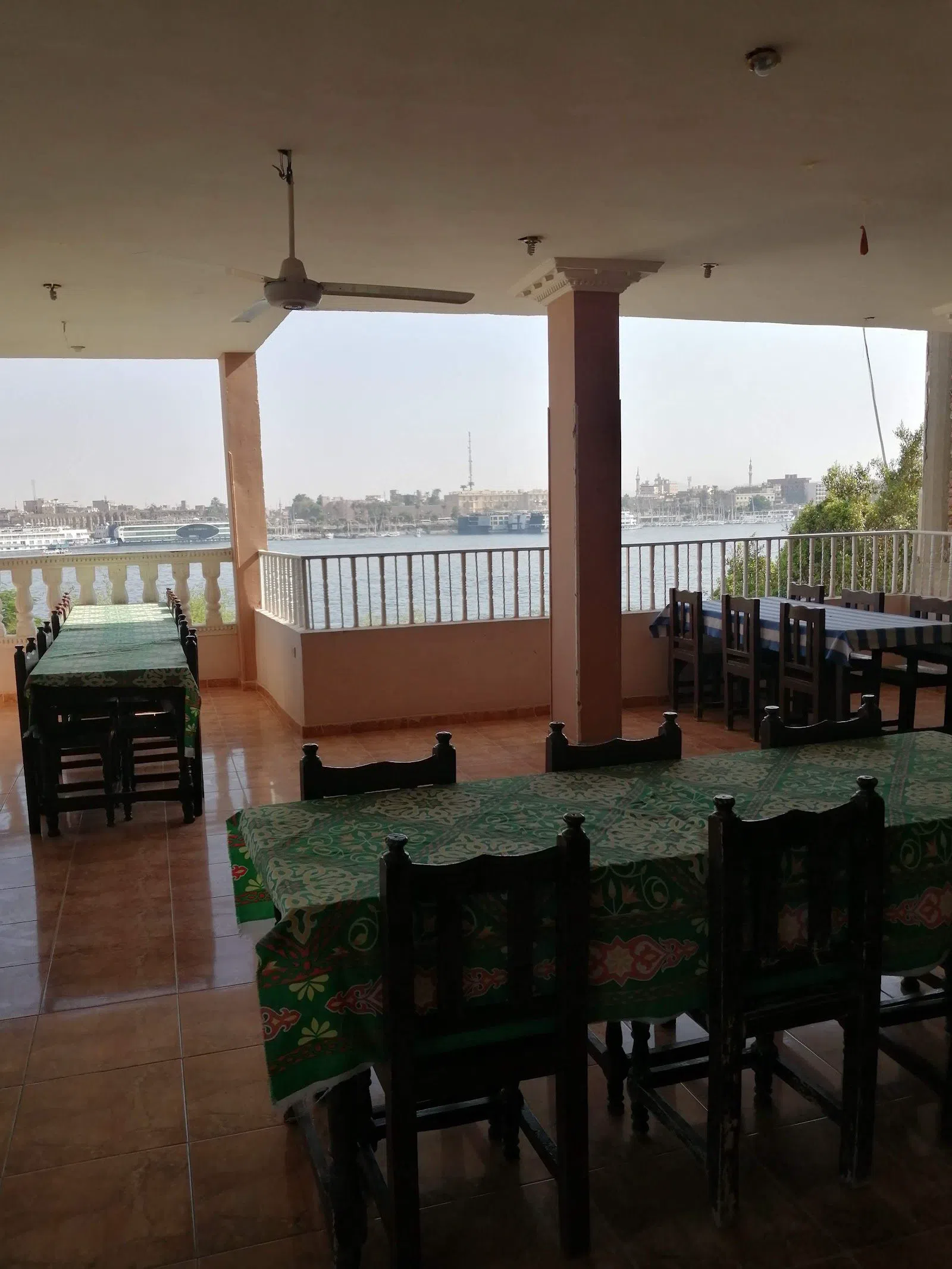
Nile Valley Hotel rooftop restaurant (Gezirat el Bairat, a short stroll from the ferry landing) is an open roof terrace of simple cane seating looking straight across the water at the floodlit pylons of Luxor Temple. Local and international dishes, beer and wine. Book for sunset, when the terrace fills. E£E£.
Al Moudira
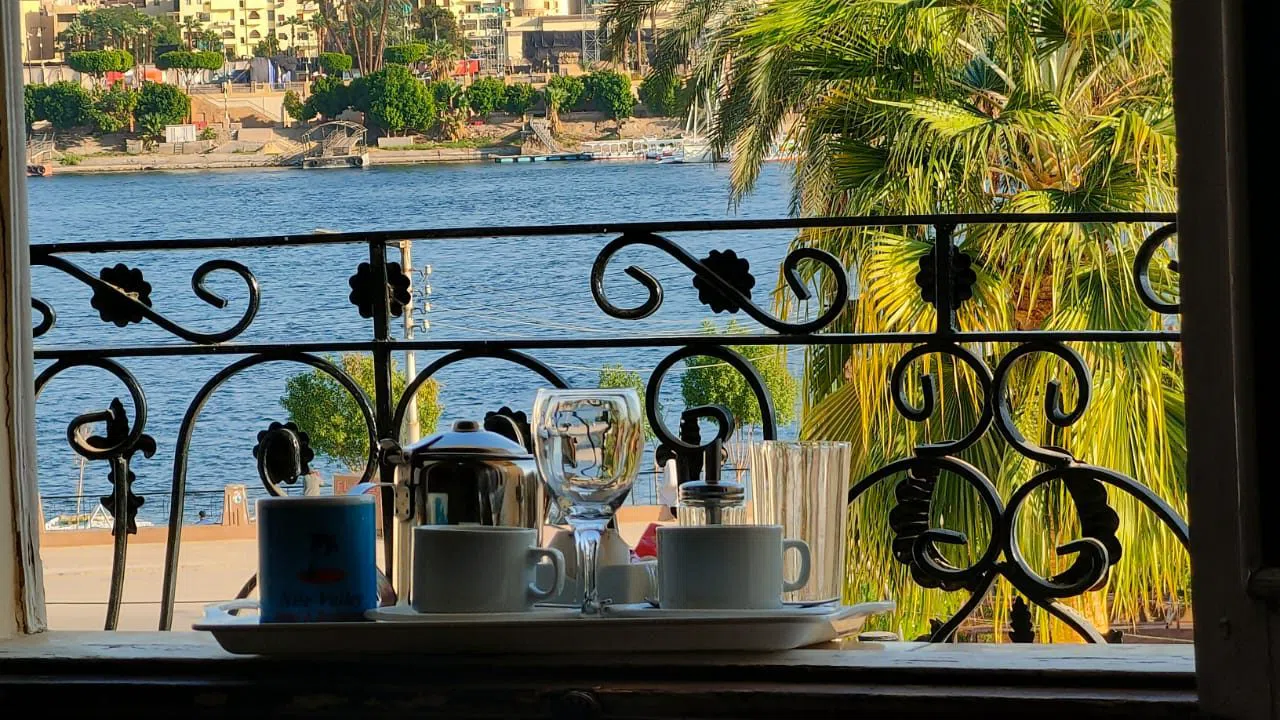
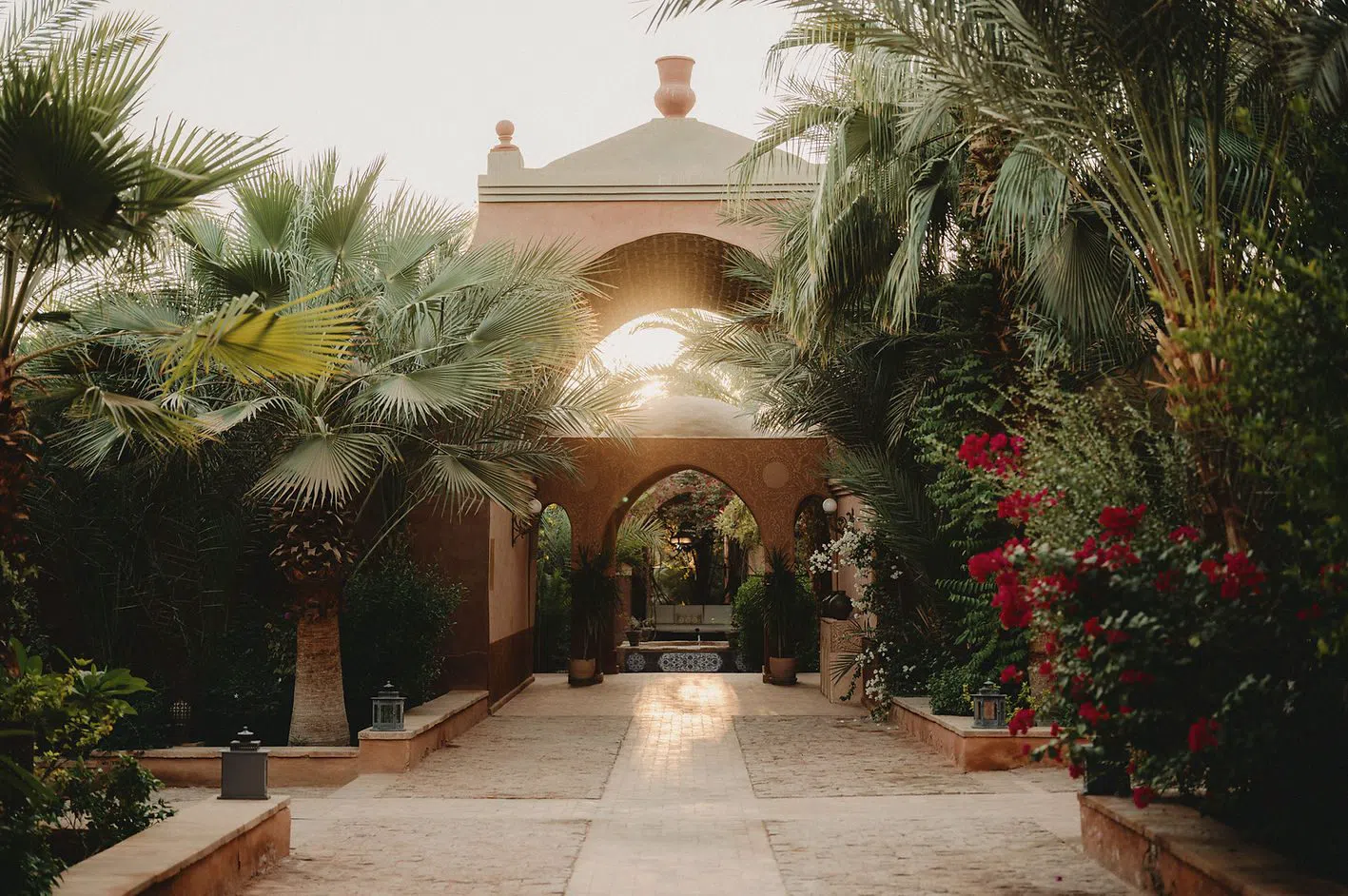
Al Moudira (in a palm grove on the desert edge) is a sand-coloured palace of ten interior courtyards with high domes, hand-painted frescoes and fountains, an Ottoman marble fountain in the Khan courtyard, and ten hectares of palm grove around it. It is a Relais & Châteaux house, holds two Michelin keys for 2026 and was the first Egyptian hotel named a Prix Versailles laureate, in 2025. Non-residents eat by reservation only; you cannot walk in. It runs seasonally and reopens in December, so check before you plan a meal around it. E£E£E£E£.
Best time to go
Take the Colossi of Memnon at sunrise, before the ticket desks open, then be at Deir el-Medina when the gate goes up, ahead of the coaches. Medinet Habu takes the second half of the morning, and lunch is a short walk from the ticket booths.
The other way to run it is Hatshepsut first thing, while it is emptiest, then cross to the artisans' village for the quiet half of the day. Either order keeps you off the open ground once the heat arrives.
Is it worth it
Come for the painting in Sennedjem, Inherkhau and Pashedu, and for the streets the painters themselves lived on. It suits a visitor who will start the day early and wait at the stairs when a coach lands.
Practical notes
Nefertari's tomb stays closed, parts of Medinet Habu are fenced for conservation this season, and the Tombs of the Nobles take cards only. Reserve Al Moudira and a sunset table on the Nile Valley rooftop, and phone Marsam with your numbers.
See the Luxor guide and the Luxor hotel search.
Antes de ir
How much does it cost to visit Deir el-Medina?
E£220 for a foreign adult and E£110 for a foreign student in the 2026 season. The Valley of the Queens, Medinet Habu and the Howard Carter House ticket are the same price; the Temple of Hatshepsut is E£440 for a foreign adult.
How long do I need, and when should I arrive?
Allow 60 to 90 minutes. The site is open from 6 a.m. to 5 p.m. and there is no shade in the bowl, so arrive at opening, before the coach and private groups build through the morning.
Which tombs are open at Deir el-Medina?
Three: Sennedjem (TT1), Inherkhau (TT359) and Pashedu (TT3). All three are small and hold only a handful of people at once, so large groups queue at the stairs.
Is Nefertari's tomb open at the Valley of the Queens?
No. QV66 closed for humidity monitoring in March 2024 and has not reopened, so don't plan a Valley of the Queens visit around it.
Where can I eat near Deir el-Medina?
Nour El Gourna is directly opposite the West Bank ticket booths, ten minutes from Medinet Habu, and the cheapest lunch within walking distance. Café & Restaurant Maratonga faces the Medinet Habu pylon, opens 6 a.m. to 8 p.m. daily and will do vegan, gluten-free or lactose-free orders.